
Last updated October 16, 2026
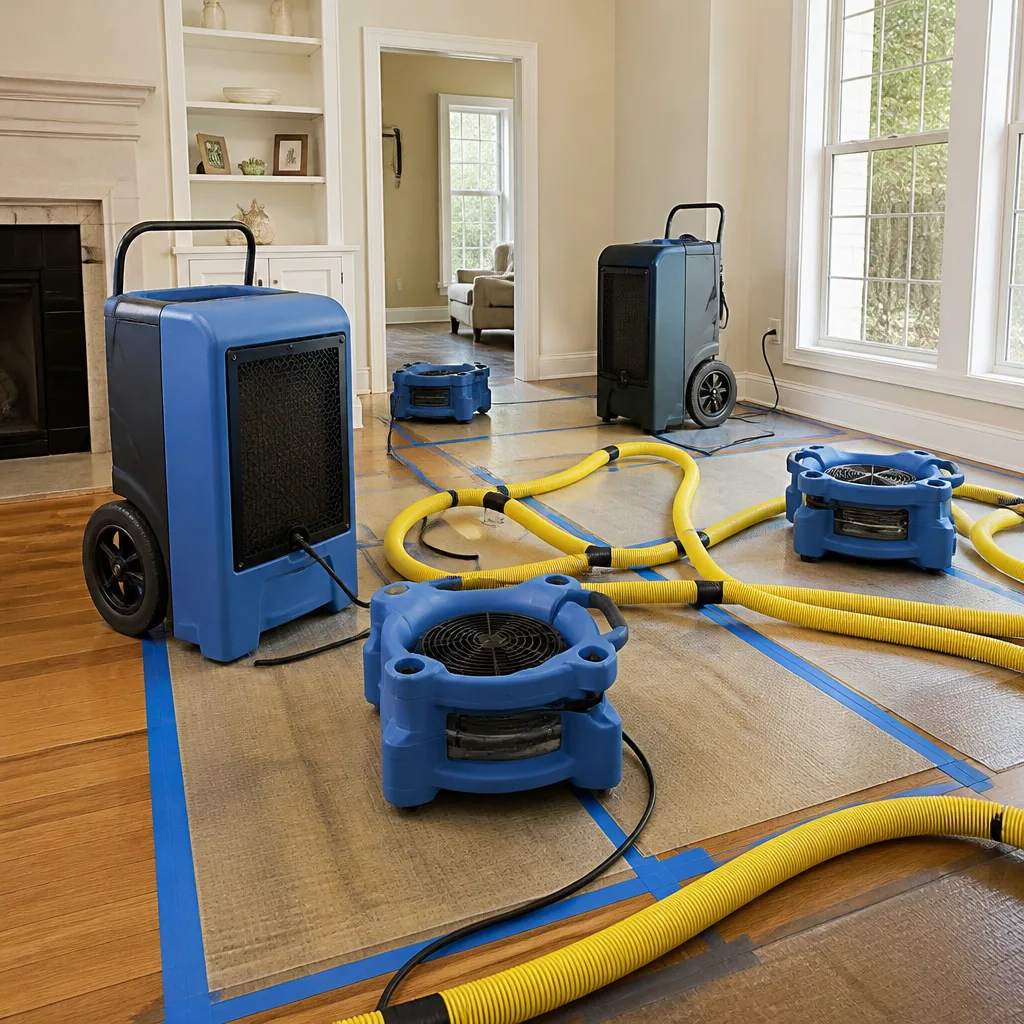 Water damage drying
 Fire & smoke cleanup
 Mold remediation
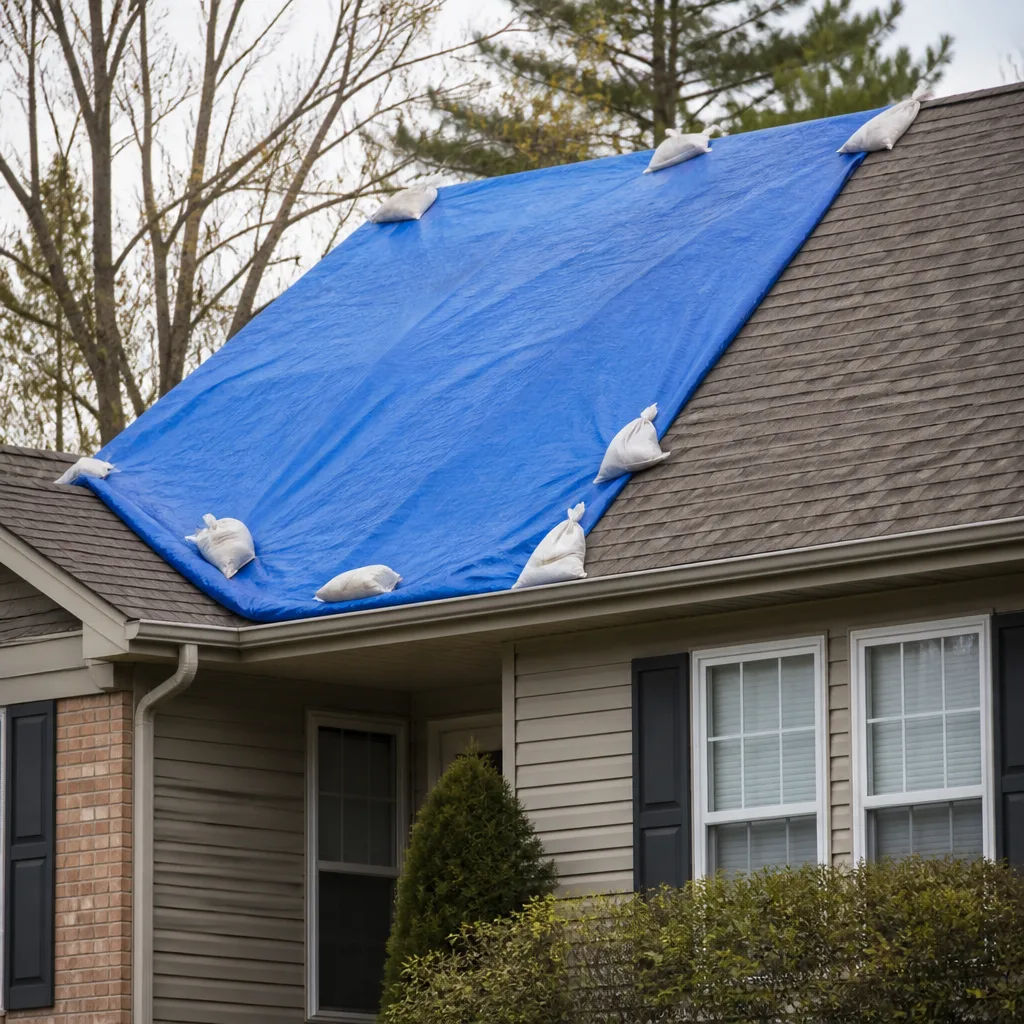 Storm response
 Sewage cleanup
 Reconstruction
Free visual inspection and a written scope of work before any mitigation begins - photos, moisture readings, and drying logs go in your claim file
The scope we write is the scope we bill. Anything new gets shown to you, in writing, before we touch it.
Get your free estimateSeasonal Damage Restoration Care for San Jose: Year-Round Homeowner’s Guide
Most San Jose homeowners prepare for storms about 48 hours before they arrive. The problem is that by then, gutters are already clogged with a full summer of dry debris, the clay soil around foundations has cracked open like a dry creek bed, and sump pumps haven’t been tested since last winter. The two weeks between the first atmospheric river forecast and the actual storm arrival are the most valuable maintenance window San Jose homeowners have, and the most ignored because the weather still feels fine. This guide is a season-by-season walk through what actually damages homes in San Jose, when each risk peaks, and which tasks return the most protection per dollar and per hour spent; for a deeper dive, see The Complete Guide to Damage Restoration in San Jose.
Quick Answer
The best time to prevent water and fire damage in San Jose is in the two-week window before the first major rain each fall and the two-week window before summer heat peaks. The big misses are October gutter cleaning and downspout extension, May soil inspection around the foundation, and July-to-September HVAC filter changes timed to wildfire smoke. Most San Jose homeowners spend $200 to $600 a year on prevention; the ones who don’t often pay $4,000 to $15,000 or more on first-response restoration when water or smoke wins. For a detailed look at these numbers, see our Damage Restoration Cost Breakdown: The San Jose Homeowner’s Reference for 2026.
Restoration work we handle
Table of Contents
- San Jose Has Two Damage Seasons, Not Four
- The October 1 – 15 Task List: Beating the Wet Season, Not Reacting to It
- San Jose’s Clay Soil and the Dry-Season Crack Problem
- Wildfire Smoke, Ash, and the HVAC-Moisture Connection
- El Niño and La Niña: What They Actually Change in San Jose
- The Two-Season Maintenance Budget: Prevention vs. Restoration
- Common Mistakes to Avoid
- When to Call a Professional
- Frequently Asked Questions
San Jose Has Two Damage Seasons, Not Four
Talk to anyone who has lived in San Jose for more than a few years and they’ll tell you the same thing: the city doesn’t really do spring and fall. We do wet and dry. The wet season runs roughly November through March, though in strong El Niño years it can start in October and stretch into April. The dry season runs May through October, and in recent years it has arrived earlier and stayed hotter longer than the historical norm.
Each season has its own damage profile. The wet season is about water ingress: roof leaks, gutter overflow, foundation seepage, sump pump failure, and the mold that follows damp drywall and carpet within 48 to 72 hours. The dry season is about heat and fire: soil desiccation, foundation settlement, HVAC strain, wildfire smoke infiltration, and the occasional electrical fire from overtaxed systems.
The mistake most homeowners make is thinking of the two seasons as separate concerns. They are not. What happens in the dry season directly sets up what fails in the wet season. The water damage restoration in San Jose calls we respond to in December are almost always made worse by choices made (or not made) in July and August. That is the core of the two-season framework: prevent in the dry season, protect before the wet season.
The October 1 – 15 Task List: Beating the Wet Season, Not Reacting to It
In San Jose, the first meaningful rain of the wet season typically arrives in late October or November. By the time that first storm hits, there is an annual scramble for gutter cleaning and leak patching. The smarter move is to treat October 1 – 15 as the window to complete five tasks, in this order, as outlined in our Water Damage Restoration Maintenance Checklist for San Jose Homeowners:
- Clean gutters and downspouts. San Jose gets nine months of dry air followed by a wall of water. Everything that fell on your roof all summer, and the eucalyptus leaves and redwood needles that gather in transitional weeks, is sitting in your gutters by early October. A clogged gutter sends water over the fascia and down the wall, and water that runs down an exterior wall for a full storm cycle often ends up inside the wall cavity. Gutter cleaning for a single-story San Jose home typically runs $100 to $200 if you use a service, or two to three hours and a ladder if you do it yourself.
- Extend downspouts at least 6 feet from the foundation. This is the single highest-impact, lowest-cost waterproofing move available to most San Jose homeowners. A downspout that dumps water at the foundation line during an atmospheric river event can deliver thousands of gallons to the soil directly against the slab. A simple extension elbow or 6-to-10-foot run changes everything. Cost: $15 to $40 at any hardware store. Time: under an hour.
- Test the sump pump. Pour five gallons of water into the sump basin and confirm the float switch triggers the pump and that water actually discharges outside, away from the house. A pump that hasn’t run in eight months can seize, and a pump that does run can fail to discharge because the discharge line is clogged with dirt or the check valve is stuck. If you don’t have a sump pump and your crawlspace or basement has been damp in past winters, this is the month to get one quoted.
- Check the roof near the chimney, skylights, and vents. You don’t need to climb up. From the ground or a ladder at the eaves, look for cracked caulking, loose flashing, missing granules creating dark patches on shingles, and any sign of a depression where water might pool. In San Jose’s older neighborhoods like Willow Glen and Rose Garden, where many homes retain original 1950s and 1960s roofing structures, flashings at chimneys are among the first points of failure.
- Inspect weatherstripping and door sweeps. Wind-driven rain in San Jose storms often hits the east- and south-facing sides of homes hardest. Gaps under exterior doors and around frames let water in even when the roof and gutters are fine. Replacing a door sweep costs $8 to $25 and takes 10 minutes with a screwdriver.
We see the same pattern every October in Dryden Restoration San Jose home service calls: the homeowner who did the first three items on this list either avoids the water event entirely or has a manageable spot cleanup. The homeowner who waited to react ends up with baseboards off, drywall cut, and a restoration bill that starts around $2,500 and climbs from there.
San Jose’s Clay Soil and the Dry-Season Crack Problem
San Jose sits on a patchwork of clay-heavy soils, particularly in areas east of downtown and across the Berryessa and Alum Rock corridors. Clay soil does something specific during long dry seasons: it shrinks. And when it shrinks, it pulls away from foundation walls and footings, leaving gaps that can be a half-inch to two inches wide by September.
Those gaps are invisible because they sit below the surface. But when the first heavy rain returns, water runs straight down those gaps and along the foundation wall. This is why some San Jose homeowners see basement or crawlspace water after the first big storm even though they have never had a problem before: the water isn’t coming from the roof or the gutters. It’s coming from the soil line, through pathways the dry season created.
The fix is not complicated, but timing matters. Throughout the dry season, particularly from May through September, run a soaker hose along the foundation line for 20 to 30 minutes once a week in areas where the soil visibly pulls away. The goal is not to soak the ground. It is to maintain enough soil moisture that the clay doesn’t fully contract away from the slab. Watering deeply but infrequently is better than daily shallow watering. On homes with mature landscaping, the existing irrigation sometimes does this work, but it is worth a visual check at the foundation line once a month in summer.
If you already see cracking in the soil near the foundation in summer, do not wait until October to address it. Rehydrate slowly and gently now, before the soil goes through a rapid wet-dry cycle that can create even larger gaps. And if your home has a history of dry-season foundation settlement, like sticking doors in late summer or new drywall cracks near corners, this is the time of year to have a foundation specialist look at the slab. Dryden does not perform foundation repair, but we see the water ingress consequences of foundation movement every winter, and the connection between the two is direct.
Wildfire Smoke, Ash, and the HVAC-Moisture Connection
Most San Jose homeowners think of wildfire smoke as an air quality problem, and it is. But there is a second-order effect most people miss, and it becomes a moisture problem when the wet season arrives.
During fire season, ash and fine particulate matter load into HVAC air filters. In a week of heavy smoke, a standard 1-inch filter can clog completely. When the filter clogs, airflow drops, and the evaporator coil runs colder than designed. Cold coil, restricted airflow, and high summer humidity from the coast create condensation in places the system isn’t designed to handle. That condensation drips into the drip pan and drain line, and if the drain line has any existing buildup, it backs up. The result is a slow, persistent moisture source inside the mechanical closet or attic, which becomes a mold opportunity within a few weeks and a water damage call within months.
The fix is low-tech and high-impact:
- Check filters monthly during fire season. In heavy smoke years, change them than monthly, not quarterly. A 3-pack of MERV 8 filters runs $15 to $30. This is cheap insurance against an evaporator coil repair that can run $400 to $900.
- Inspect the condensate drain line. Find where it exits the house and confirm water can drain freely. Pour a cup of white vinegar down the line once in fall and once in spring; it discourages the buildup that leads to backup.
- Run the fan on “auto,” not “on,” during smoke events. Continuous fan operation pulls more particulate through the filter. Auto mode reduces the particulate load. When the air clears, switch back to whatever mode you prefer.
- After a heavy smoke event, check for moisture around the indoor unit. Any sign of water staining, a musty smell, or a wet patch under the unit is a problem that will not fix itself. Dryden handles mold and water damage from exactly this kind of HVAC failure every year in San Jose, and the source is often a clogged drain line nobody knew to check.
El Niño and La Niña: What They Actually Change in San Jose
Every few years, some version of “El Niño is coming” or “La Niña means a dry winter” makes its way around San Jose, and most homeowners rightly tune it out after years of forecasts that didn’t match lived experience. But the patterns do shift the risk profile, and knowing the difference can help you decide which upgrades to prioritize in a given year.
During El Niño winters, San Jose tends to see more atmospheric river events: sustained heavy rain over multiple days, sometimes back-to-back. The damage profile shifts toward saturated soil, overwhelmed drainage, sump pump failure, and water intrusion at the foundation level. If the seasonal outlook trends toward El Niño, prioritize the October 1 – 15 checklist, extend your downspouts, and give real thought to a backup sump pump if you have a crawlspace that has ever been damp.
During La Niña winters, the Bay Area often sees drier conditions, but that dryness extends the fire season and deepens soil desiccation. The damage profile shifts toward the summer risks described above, plus a risk that arrives when a rare heavy rain hits hard, baked soil: runoff that sheets across the surface rather than soaking in, and runoff paths that can redirect water at the house from yards and streets. If the seasonal outlook trends toward La Niña, prioritize summer soil moisture management, gutter and roof inspection during the extended dry period, and drainage review before any forecasted rain event.
None of this changes the core task list. It changes which tasks matter more in a given year. The homeowner who knows what pattern the year is trending toward can spend the same $200 to $600 on prevention and get a meaningfully better result.
The Two-Season Maintenance Budget: Prevention vs. Restoration
San Jose homeowners often ask us what they should actually spend on prevention, and the number surprises people because it is not large. Here is the realistic range:
- Gutter cleaning once or twice a year: $100 to $200 per cleaning, or free if you do it safely yourself.
- Downspout extensions and splash blocks: $15 to $75 total.
- HVAC filter replacements during fire season: $30 to $60 per year above normal routine.
- Sump pump inspection and basic maintenance: $75 to $150 if you hire a plumber, free if you test it yourself.
- Roof inspection and minor maintenance: $150 to $350 for a professional look, or free if you inspect from the ground yourself.
- Soil moisture management: water cost, which is nominal, plus maybe $40 in soaker hoses.
Add it up and a diligent San Jose homeowner can do a complete prevention plan for $200 to $600 a year. That’s the full package, covering the big risks on both sides of the calendar.
Compare that to what happens when prevention is skipped. A small roof leak that sat through one winter can run $2,500 to $5,000 in drywall, insulation, and paint by the time it is visible. A failed sump pump in a finished basement can run $6,000 to $10,000. A sewage backup in the wet season can run $8,000 to $15,000 or more depending on contents and surfaces affected. Smoke and HVAC-related mold in a mechanical closet can run $3,000 to $8,000 once hidden surfaces are opened and treated.
The math is not subtle. Prevention costs 3 to 5 percent of what first-response restoration costs, and it happens on your schedule, not in the first 24 hours after a storm.
Dryden provides mold remediation in San Jose and full water damage restoration, and we would rather help you prevent the event than restore the aftermath. But when the event happens, the restoration work should be done to IICRC and RIA standards, with professional-grade drying equipment like Dri-Eaz and Phoenix systems, and documented thoroughly for insurance. That is the standard every restoration company in San Jose should meet, and the standard homeowners should ask for before signing anything.
Common Mistakes to Avoid
- Waiting for the storm forecast to do the work. By the time the atmospheric river is on the seven-day forecast, every gutter cleaner and roofer in San Jose is booked. The tasks that matter most can be done now, in the dry, when the weather is pleasant and the access is easy.
- Thinking a downspout at the foundation is fine because it has always been there. It has always been there, which means it has always been delivering roof water directly against the slab. The house survived it until it didn’t. Extending that downspout is a $20 fix for a $10,000 risk.
- Ignoring soil cracking around the foundation because rain is months away. Those cracks are the exact channels the first rain will use to reach the foundation wall. Rehydration in the dry season closes the channel before the water arrives.
- Using the cheapest air filter and changing it on a fixed quarterly schedule. San Jose fire season does not follow a calendar. A filter that clogs during a smoke event stops doing its job exactly when it matters most. Check monthly during fire season and change as needed.
- Running a sump pump that has never been tested since installation. A pump can fail at the float, the impeller, the check valve, or the discharge line. Testing is free and takes five minutes. Discovery through failure is the most expensive way to test a pump.
- Assuming the insurance company will sort everything out after the fact. Insurance helps, but it does not prevent damage, and it does not restore a home on day one. Proper documentation helps the claim, but prevention is the only thing that helps the home.
When to Call a Professional
Some tasks in this guide are squarely DIY: checking a downspout, testing a sump pump, changing a filter, running a soaker hose. Others need a trained eye and professional equipment. Call a restoration professional if you find water staining on ceilings or walls that you cannot trace to a single event, a persistent musty smell in any area of the home, visible mold growth larger than about 10 square feet, water that has soaked into drywall or carpet and sat for more than 48 hours, or any water event involving sewage or category 3 water. Fire damage restoration in San Jose is a separate discipline, and any fire event, even a small kitchen fire with smoke damage, warrants a professional assessment because smoke penetrates surfaces and cavities in ways that are not visible. Dryden Restoration San Jose offers free estimates in San Jose, call (669) 770-7417 and a live person answers, so you can explain what you’re seeing and get a straight answer about what needs to happen next.
Frequently Asked Questions
Water damage restoration in San Jose typically runs $2,500 to $15,000 depending on the size of the affected area, the water category (clean, gray, or black water), and how long the water sat before mitigation began. A small, contained roof leak might cost $2,500 to $5,000, while a sewage backup affecting multiple rooms and contents can run $8,000 to $15,000 or more. Call (669) 770-7417 for an exact written quote; estimates are free.
The ideal window is October 1 – 15, before the first major wet season storm. A second cleaning in mid-winter is worthwhile if you have heavy tree cover. Gutters that are clean in October and still functioning in December prevent the wall and foundation saturation that drives most winter water damage calls in San Jose.
Homeowners insurance typically covers sudden and accidental water damage, like from a burst pipe or storm-driven roof leak, but not gradual damage from long-term leaks or neglect, and standard policies do not cover flood damage from surface water or rising groundwater. A separate flood policy may apply in some San Jose flood zones. Documentation matters; extensive photo and video records before and during mitigation will strengthen any claim.
The musty smell appears in winter because that is when indoor humidity rises and water intrusion events happen, creating the conditions mold needs to grow and release odor. The actual source may be a hidden leak, a damp crawlspace, or condensation in the HVAC system from the dry-season issues described above. If the smell is new this winter, have the source located and addressed before the wet season ends.
Dryden offers live phone support 24 hours a day, 7 days a week. When you call (669) 770-7417, a person answers, gives you a committed arrival window, and dispatches a background-checked, uniformed technician. We do not route calls to voicemail or call-back queues, because water and mold do not wait for business hours.
If the affected area is small, the water is from a clean source, and it has been less than 24 hours, you can sometimes dry it with fans and a dehumidifier. But once water sits for more than 48 hours, or once the water source is anything other than clean, professional-grade drying and antimicrobial treatment are necessary to prevent mold and structural damage. Dryden uses Dri-Eaz, Phoenix, and Injectidry equipment and provides a written scope and price before any work begins, so you know exactly what is necessary and what it costs before you commit.
The Bottom Line
San Jose homeowners face two damage seasons, each with a short prep window that most people miss because the weather hasn’t turned yet. October 1 – 15 is the window for gutters, downspouts, sump pump testing, and roof checks before the first big storm. May through September is the window for soil moisture management, HVAC filter diligence during fire season, and catching the dry-season foundation cracks that become winter water channels. The total cost of prevention is $200 to $600 a year. The cost of skipping prevention starts around $2,500 and climbs past $15,000 when multiple systems fail together. The town’s homeowners who take the two-window approach are not the ones who call us in December. For more guides & resources on protecting your home year-round, visit our blog. The ones who call us in December, though, deserve the same thing every San Jose homeowner should demand: a written price before work starts, a named arrival window, and a written guarantee. That has been the standard at Dryden since 2005, and it is the standard this guide is built on.
Written by Carl Brandt, Owner at Dryden Restoration San Jose, serving San Jose since 2005.
See the difference
 Before
 After
After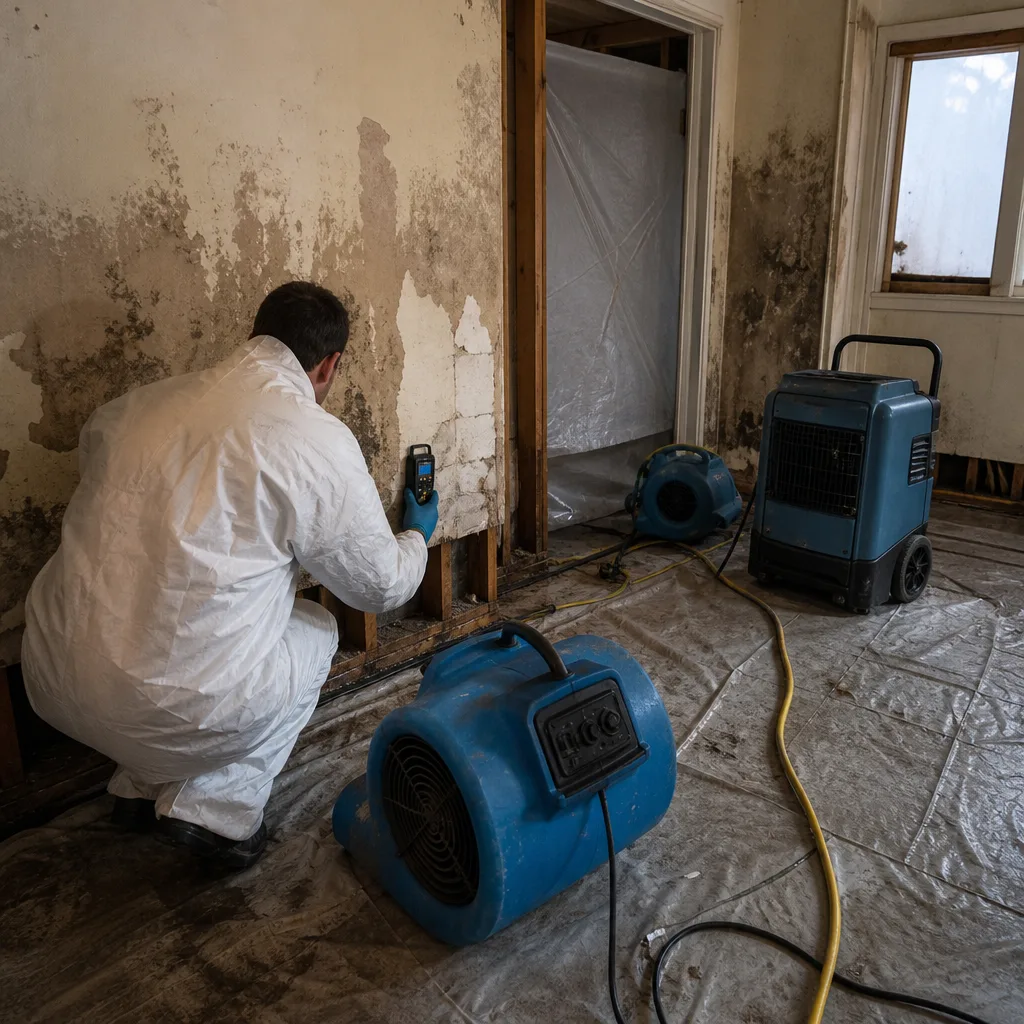 Before
 After
After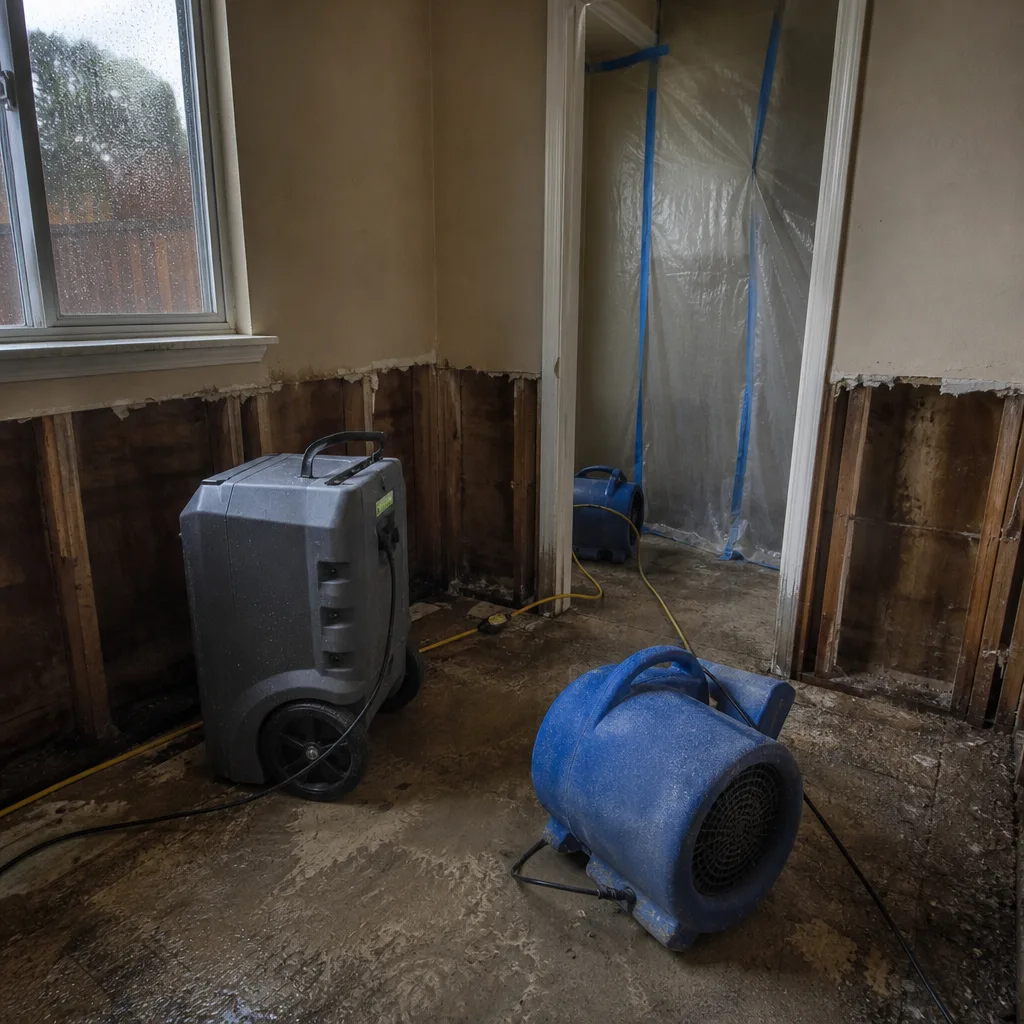 Before
 After
After