
Last updated October 16, 2026
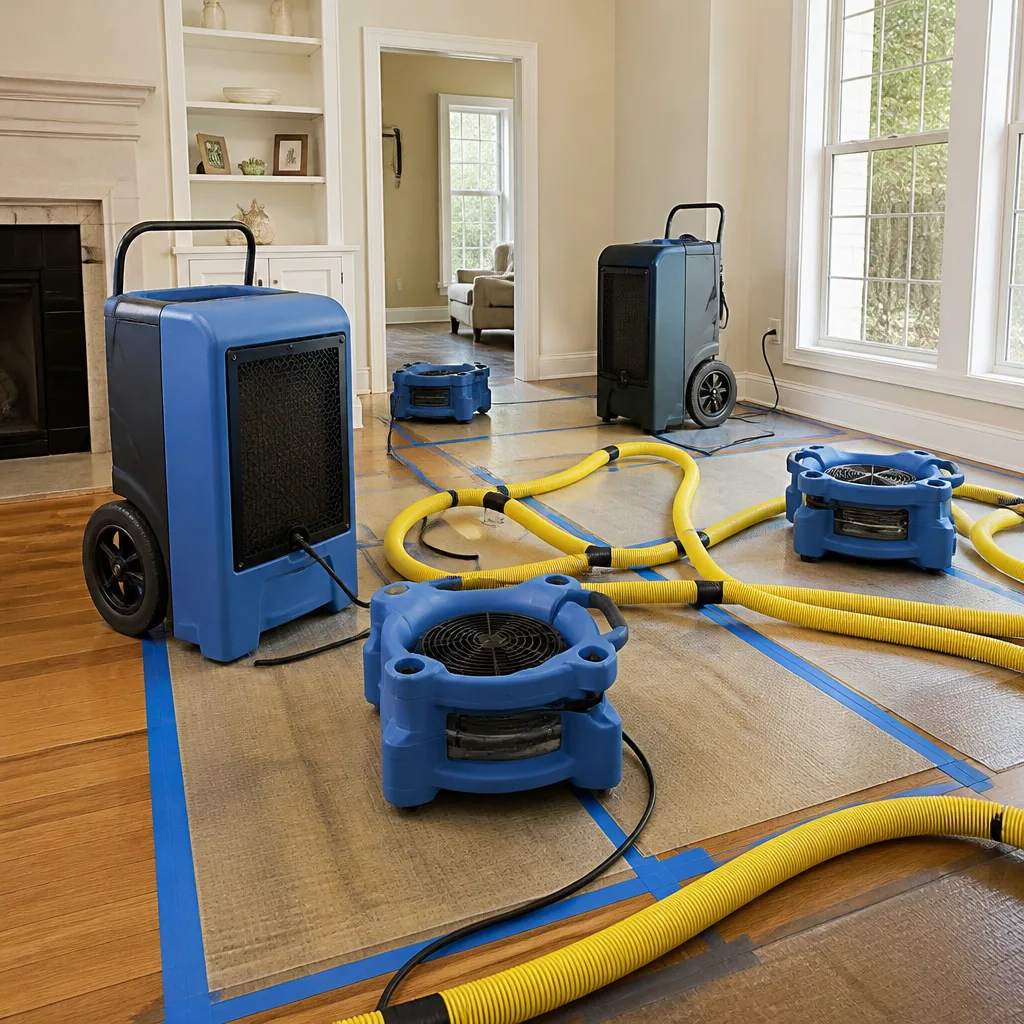 Water damage drying
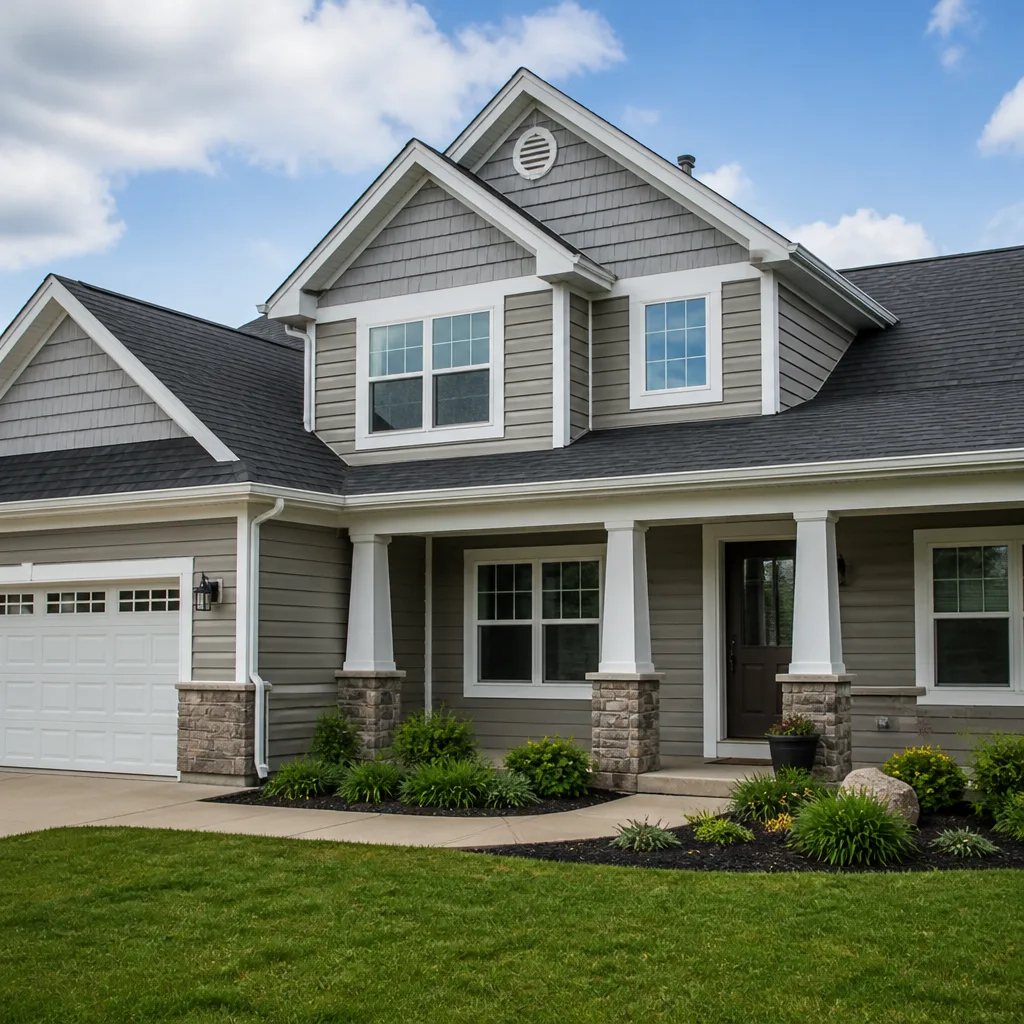 Fire & smoke cleanup
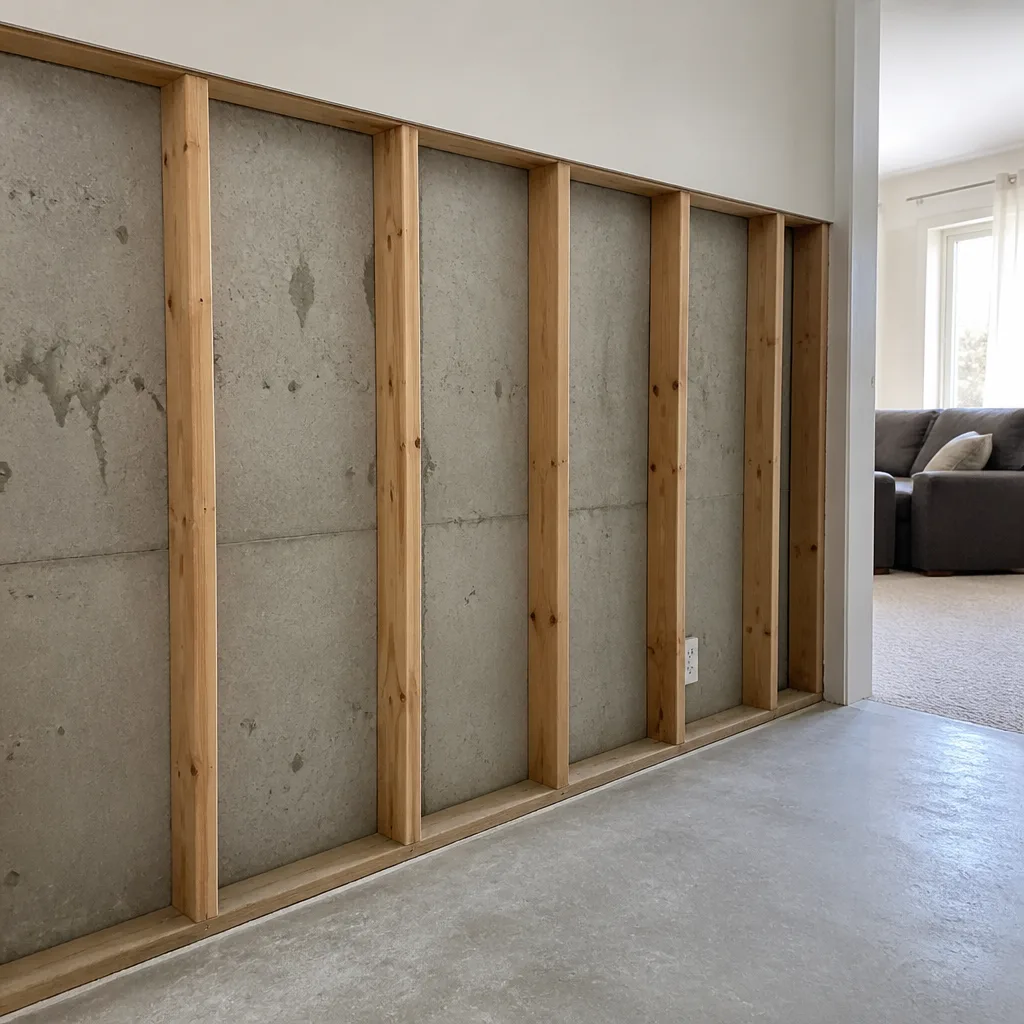 Mold remediation
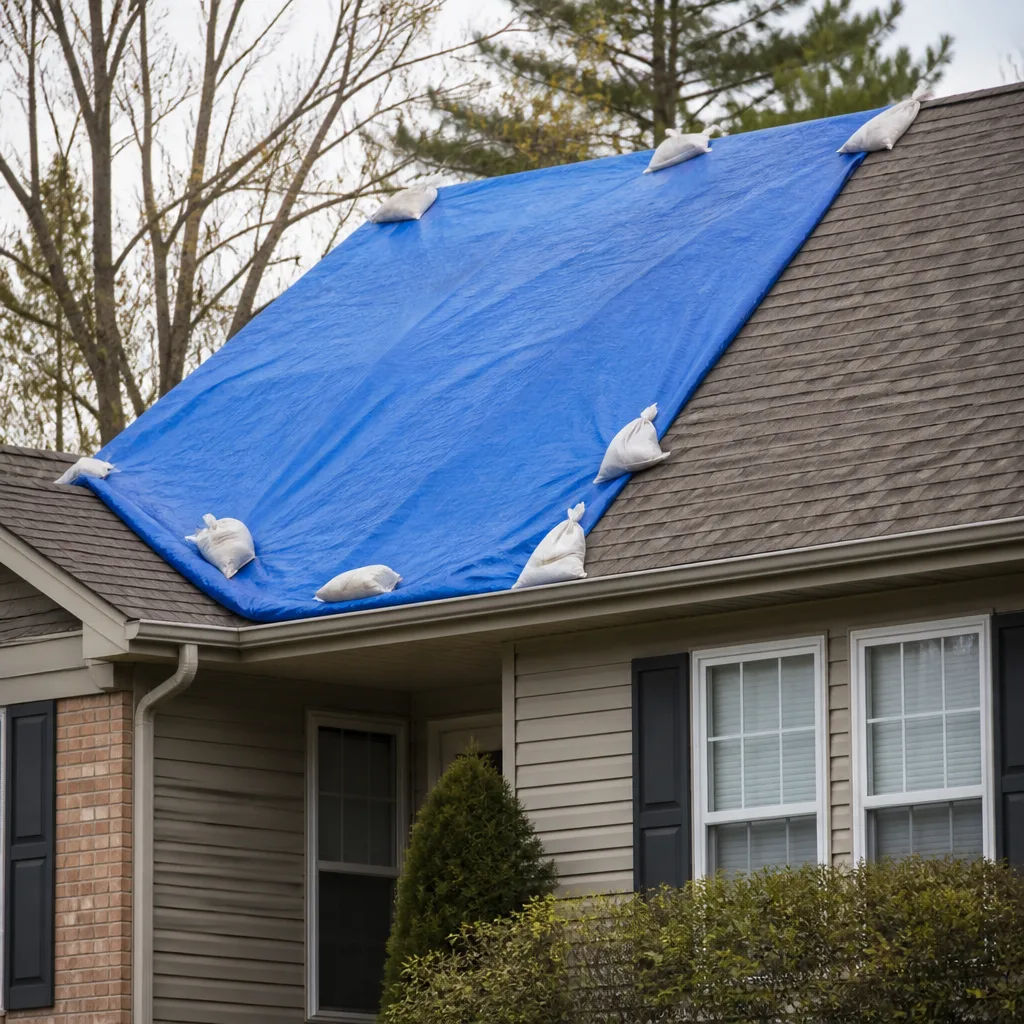 Storm response
 Sewage cleanup
 Reconstruction
Free visual inspection and a written scope of work before any mitigation begins - photos, moisture readings, and drying logs go in your claim file
The scope we write is the scope we bill. Anything new gets shown to you, in writing, before we touch it.
Get your free estimateDamage Restoration Cost Breakdown: The San Jose Homeowner’s Reference for 2026
The single biggest cost variable in a San Jose water damage job isn’t the damage itself. It’s the drying time, which is billed daily per equipment piece and can double a mid-range job if the drying plan is wrong or the contractor is slow to extract. Most homeowners discover this halfway through a claim, staring at an invoice line they don’t understand. This guide fixes that. By the time you finish reading, you’ll know exactly what drives restoration pricing in San Jose, what a fair estimate actually looks like in writing, and which line items deserve your scrutiny before you ever sign a work authorization.
Restoration work we handle
Quick Answer
Water damage restoration in San Jose typically costs between $1,500 and $25,000+ in 2026, depending on the water category, affected square footage, and how many days drying equipment must run. Fire damage restoration runs $3,000 to $40,000+, while mold remediation generally lands between $2,000 and $12,000. The pricing follows four predictable drivers: water category, drying days, demolition scope, and rebuild finish level.
Table of Contents
- The Four Cost Drivers Every San Jose Estimate Is Built On
- Water Damage Costs by Category: 2026 San Jose Ranges
- Line-Item Breakdown: What You’re Actually Paying For
- How Drying Days Are Calculated (and Why 3 Days Can Become 7)
- What Insurance Covers in California vs. What Lands Out-of-Pocket
- The Written Estimate Standard: How to Spot a Scope Built to Inflate
- Fire and Mold Costs: The Numbers San Jose Homeowners Ask About Most
- Common Mistakes to Avoid
- When to Call a Professional
- Frequently Asked Questions
- The Bottom Line
The Four Cost Drivers Every San Jose Estimate Is Built On
Restoration pricing in San Jose follows a structure that contractors rarely explain, and that silence is where confusion breeds. Once you understand the four drivers, an estimate stops being a black box and becomes something you can evaluate line by line. Every legitimate restoration bid in this city, whether it’s for a Willow Glen slab leak or a Berryessa washing machine overflow, is built on these same four variables.
Driver one is the water category. Clean water from a supply line costs less to mitigate than gray water from a dishwasher, and gray water costs less than black water from a sewer backup. Each category carries different antimicrobial requirements, different PPE protocols for the crew, and different disposal fees for removed materials. Those differences show up in the line items.
Driver two is drying days. This is the one homeowners almost never see coming. In San Jose’s climate, particularly during summer months when ambient humidity sits higher than people realize, structural drying takes longer than the national average. Each air mover and dehumidifier costs $45 to $85 per day to run, and a mid-sized water loss might require 12 to 20 pieces of equipment. Three extra drying days can add $2,500 to a job that was originally scoped at $4,000. A contractor who extracts thoroughly and stages equipment correctly on day one controls this variable. A contractor who doesn’t will bill you for their inefficiency.
Driver three is demolition scope. Water wicks. It travels behind baseboards, under vinyl plank, up drywall seams. The difference between cutting a 12-inch flood line and removing an entire wall cavity depends on what’s behind that wall: insulation type, vapor barriers, and how long the water sat before extraction began. In older San Jose homes, particularly those built before 1980 in neighborhoods like Rose Garden and Japantown, plaster and lathe construction requires more invasive demo than modern drywall, and it costs more to remove and rebuild.
Driver four is rebuild finish level. Drywall is cheap. Matching 1960s oak hardwood, replacing custom millwork, or restoring hand-glazed tile is not. Restoration companies handle both the mitigation (tearing out and drying) and the reconstruction (putting it back), but the second phase is priced like any remodel: materials and finish quality drive the number.
Water Damage Costs by Category: 2026 San Jose Ranges
Here’s what San Jose homeowners should expect to pay in 2026, with current local labor rates and disposal fees factored in. These ranges assume a typical single-family home with standard finishes and a water loss affecting 200 to 500 square feet.
Category 1: Clean Water ($1,500 – $4,500)
This is water from a broken supply line, an overflowing sink with no contaminants, or a water heater pan that caught the leak early. It’s the least expensive category because the water hasn’t picked up bacteria, chemicals, or sewage. The job involves extraction, equipment setup, three to five days of drying, and minor repairs like baseboard replacement or a small drywall patch. In San Jose homes with slab foundations, which are common south of I-280, supply line breaks under the slab can push this toward the top of the range because it requires locating the line, jackhammering the slab, and repairing concrete after the plumbing fix.
Category 2: Gray Water ($3,500 – $9,000)
Gray water carries some contamination: dishwasher discharge, washing machine overflow, toilet overflow without solid waste, sump pump failures. The mitigation process adds antimicrobial treatment, more aggressive drying because the water penetrates deeper into porous materials, and often partial cabinet or vanity removal. In multi-story homes around Almaden Valley, gray water from an upstairs laundry room can travel through ceiling cavities and affect rooms on multiple floors, which multiplies the containment and drying cost.
Category 3: Black Water ($7,000 – $25,000+)
Black water is sewage, flood water, or any water that has sat long enough to grow bacteria. This category requires full PPE for the crew, complete removal of all porous materials including drywall, insulation, carpet, and pad, disposal as hazardous waste, and structural decontamination before drying even begins. The $25,000+ upper end accounts for localized sewage backups that affect multiple rooms, particularly in older San Jose neighborhoods where cast iron sewer lines have failed. A backup in a basement crawl space in Naglee Park, where access is tight and the space requires additional containment, will be more expensive than the same event in a newer Evergreen home with an accessible utility room.
Line-Item Breakdown: What You’re Actually Paying For
When you get an estimate, you should see each of these items listed with a unit cost, not just a total number. A total-only estimate is a red flag. Here’s what each line means, in plain English.
- Emergency extraction: $150 – $450. This is the initial water removal using truck-mounted or portable extractors. It should happen within hours of first contact.
- Drying equipment daily rental: $45 – $85 per piece per day. Air movers, dehumidifiers, and specialty equipment like Injectidry floor mat systems are billed separately from labor. This is where the estimate grows if drying runs long.
- Antimicrobial treatment: $50 – $150 per affected room. Applied after extraction to prevent mold and bacterial growth. It’s a small line item that matters for Category 2 and 3 water.
- Demolition and debris removal: $300 – $2,500 depending on scope. Includes cutting, bagging, hauling, and disposal fees, which are higher in Santa Clara County than in neighboring counties.
- Structural drying labor: $45 – $90 per labor hour. This covers daily monitoring visits, moisture readings, equipment adjustments, and documentation. A competent crew visits daily; a lazy one visits twice and bills you the same.
- Rebuild and finishes: $1,500 – $15,000+. Drywall, paint, flooring, and trim replacement. This is where material choices drive the number.
One thing we tell every San Jose homeowner: ask your contractor to explain the daily monitoring protocol in writing. If the estimate includes drying equipment for four days but the crew only visits twice, someone is guessing. Psychrometric drying, the science of measuring temperature and relative humidity to know when materials are actually dry, requires daily data collection. Without those readings, no one can tell you whether day four is the end or the middle.
How Drying Days Are Calculated (and Why 3 Days Can Become 7)
Drying time is not a guess, or it shouldn’t be. It’s a calculation based on the psychrometric conditions of your home: the temperature, the relative humidity (RH), the moisture content of affected materials, and the capacity of the drying equipment. When we scope a water loss in San Jose, we take initial moisture readings from every affected material, document them, and then take daily readings until the materials reach their dry standard, which is the pre-loss moisture level for that material type.
A job estimated at three drying days can legitimately stretch to seven without any contractor error. Here’s why that happens:
- The water traveled farther than visible. Water migrates behind baseboards and under flooring. The visible puddle is rarely the full extent. Once we open a wall cavity and find wet insulation, the drying equation changes.
- San Jose’s climate fights the equipment. In coastal-influenced neighborhoods like Willow Glen and Cambrian, summer RH can hover at 55 to 65 percent. Dehumidifiers work harder and longer when ambient humidity is high. A job in November with dry air dries faster than the identical job in July.
- Material type delays the finish. Dense materials hold water longer. Oak hardwood, plaster, and double-layer drywall take two to three times longer to return to standard than a single sheet of half-inch drywall.
- The drying chamber wasn’t sealed correctly. If the affected area isn’t properly contained with barriers, the dehumidifier is trying to dry the whole house, not the wet room. That’s a contractor error, and you shouldn’t pay for those extra days.
What documentation should you ask for? Daily moisture logs. Not a verbal update. Not a photograph of a wet wall. A log showing the moisture reading for each affected area, taken with a moisture meter, on every day equipment runs. That document proves the drying plan was executed correctly, and it’s the same document insurance adjusters want to see.
What Insurance Covers in California vs. What Lands Out-of-Pocket
In California, the standard HO-3 policy covers sudden and accidental water damage: a burst pipe, an overflowing tub, a failed water heater. It does not cover gradual leaks, which insurers classify as maintenance issues. This distinction drives more disputes in San Jose than any other factor. A supply line that leaked behind a wall for six months before you noticed the baseboard staining? That’s often a denial. A supply line that burst at 2 a.m. and flooded the kitchen? Covered.
Here’s the California-specific wrinkle worth understanding: the matching rule. When flooring or finishes are damaged and the original material is no longer available, California regulations require insurers to pay for reasonably matching replacements in the affected area, and in many cases, the contiguous area. If your 15-year-old engineered wood floor is damaged in the living room but continues into the hallway, the insurer may be obligated to cover replacement beyond just the water-damaged section so the floor doesn’t visibly mismatch. This is a real protection, but it only works if you document the original material with photos and keep your adjuster informed before demolition begins.
Out-of-pocket items most San Jose homeowners don’t expect include the deductible, which ranges from $1,000 to $5,000 depending on the policy, and any code upgrades required when rebuilding. If your 1970s electrical panel needs to be brought to current code as part of a wall rebuild, that upgrade is usually on you. Mold remediation is covered only when it results from a covered water event, not when it’s discovered independently, and many policies cap mold coverage at $5,000 to $10,000 regardless of the claim size. Our Water Damage Restoration in San Jose work includes photo documentation of every phase, which makes adjuster conversations substantially easier.
The Written Estimate Standard: How to Spot a Scope Built to Inflate
A written estimate is either a commitment or a placeholder. The difference is visible on the page. A trustworthy document includes unit costs: how many square feet of drywall, how many days of equipment, how many labor hours. A scope written to be inflated later uses phrases like “dry as needed” or “additional demolition to be determined.” Those are open doors, and the contractor controls when they walk through them.
The Kingswell Way, which governs every job we do at Dryden Restoration San Jose, says the price before the work. That means we walk the loss, take our measurements, run the numbers, and hand you a written price before a single tool comes off the truck. The number doesn’t change at the door. If we discover something mid-job that genuinely changes the scope, which does happen in restoration, we stop and bring you a written change order. You approve it or you don’t. That’s how it should work everywhere, and you should hold your contractor to that standard.
Here’s what to look for in a legitimate estimate:
- Square footage listed for every demo and rebuild line. Not “kitchen walls.” A specific number.
- Daily rate per equipment piece with an estimated day count. And a written protocol for monitoring and adjusting that count.
- Labor hours estimated per phase, with the hourly rate stated plainly.
- Disposal fees broken out separately. They’re higher in San Jose than surrounding areas, and you should see the number.
- A guarantee clause in writing. If the repair fails, who comes back and what does it cost? If the answer is not “we do, for free,” walk.
Our 365-Day Done Right Promise is documented on every job. If a covered repair fails within a full year, we come back and correct it at no charge. That’s not a verbal assurance. It’s a written term.
Fire and Mold Costs: The Numbers San Jose Homeowners Ask About Most
Water is the most common restoration call, but San Jose homeowners also face fire losses and mold discoveries, and the pricing logic differs slightly for each. Both follow the same four-driver structure with category-specific variables.
Fire Damage Restoration: $3,000 – $40,000+
Fire restoration in San Jose is priced at three levels. Light smoke damage from a contained kitchen fire falls at the low end, $3,000 to $8,000, covering soot removal, odor treatment, and repainting. Moderate structural fire damage, where framing is intact but drywall, insulation, and finishes need replacement, runs $15,000 to $30,000. A major fire requiring structural repair, roof work, and full rebuild hits the $40,000+ range and is priced more like a remodel than a restoration. Fire jobs always include a distinct cost component: odor elimination, which requires specialized equipment like hydroxyl generators and ozone treatment, not just cleaning. Our Fire Damage Restoration in San Jose process addresses soot, odor, and structural damage in phases, with pricing scoped separately for each.
Mold Remediation: $2,000 – $12,000
Mold remediation in San Jose is driven by two factors: the size of the affected area and the type of mold. A contained bathroom ceiling patch under 10 square feet might cost $800 to $2,000. A crawl space or an entire wall cavity with colonization can reach $12,000. San Jose’s older housing stock matters here. Homes built before 1980 with raised foundations are prone to crawl space moisture, which leads to mold under the floor system. Homes built in the last two decades with tighter building envelopes can trap interior humidity and create mold in poorly ventilated bathrooms. Mold Remediation in San Jose requires containment, negative air pressure, HEPA vacuuming of every surface in the containment zone, and antimicrobial treatment, with post-remediation testing to confirm the spore count is back to normal. Never accept a mold bid that skips the post-remediation test. It’s $300 to $600 well spent.
Common Mistakes to Avoid
- Signing a work authorization before you’ve seen an itemized estimate. In the urgency of a water loss, homeowners sign fast. Then the “estimate” arrives as a total with no unit costs, and you’ve already authorized it. Slow down. A legitimate company can produce an itemized price within hours.
- Accepting a total-only bid. A number without line items is not an estimate. It’s a guess dressed as a commitment. If the contractor can’t or won’t show you the unit costs, they’re protecting their ability to inflate later.
- Paying for drying days without daily moisture logs. Equipment rental is a daily charge. If you’re not seeing daily readings proving the equipment is actually doing something and the materials are progressing toward dry, you’re paying for a parking lot, not a drying plan.
- Filing an insurance claim before you know what happened. A claim for a gradual leak that gets denied still counts against your claims history. Get a professional assessment first, understand the cause, then decide whether to file. In San Jose, where insurers have been tightening underwriting, claim frequency matters.
- Choosing the lowest bid on mitigation and the highest on rebuild. The cheap mitigation quote often means fewer drying days and less equipment, which leads to mold later. The expensive rebuild quote often means a scope padded with upgrades you didn’t ask for. Evaluate both phases separately.
- Ignoring the guarantee language. If the written guarantee says the contractor will “return to assess” rather than “return to repair at no cost,” you don’t have a guarantee. You have an appointment. Specific guarantees are the difference between a company that stands behind work and one that hopes you won’t call.
When to Call a Professional
Some restoration work is genuinely hazardous to attempt yourself. Black water contains pathogens that require proper PPE and disinfectant protocols. Fire-damaged structures can have compromised framing and electrical hazards hidden behind walls. Mold releases spores during disturbing, and without containment, you’ll spread the problem throughout the house. Even clean water extraction becomes a mold risk within 24 to 48 hours if structural materials aren’t dried properly. If the affected area is larger than a bath towel can handle, or if water touched drywall, flooring, or cabinetry, call a professional. Dryden Restoration San Jose offers free estimates in San Jose, and we answer the phone with a live person every hour of every day. Call (669) 770-7417.
Frequently Asked Questions
Water damage restoration in San Jose typically costs $1,500 to $4,500 for clean water, $3,500 to $9,000 for gray water, and $7,000 to $25,000+ for black water, depending on square footage and drying days. Call (669) 770-7417 for a written estimate specific to your home.
In San Jose, a professional restoration company should be able to reach your home within 1 to 2 hours of your call, and a live person should answer the phone immediately. Dryden Restoration San Jose answers with a live dispatcher 24/7 and commitments to a named arrival window, so you know when we’ll be there and we show up then.
Insurance typically covers sudden and accidental water damage, minus your deductible, but excludes gradual leaks and most code upgrades. In California, the matching rule may require your insurer to pay for continuous flooring replacement beyond the damaged area, but documentation and adjuster coordination matter. We handle direct adjuster communication and photo documentation on every job.
If the water was clean, extracted within hours, and the affected materials are fully dryable without demolition, a professional cleaning may be sufficient. If the water sat overnight, touched drywall or flooring, or came from a contaminated source, full mitigation with drying equipment and antimicrobial treatment is required to prevent mold. A professional assessment with moisture readings tells you which path applies.
Drying is done when daily moisture readings show every affected material has returned to its dry standard, the normal moisture content for that material type. Ask for the daily moisture log. If your contractor can’t produce moisture readings showing the progression, the drying wasn’t properly documented.
A written estimate should include unit costs for every line item: square footage for demo and rebuild, daily equipment rates with estimated day counts, labor hours at an hourly rate, and disposal fees. A total-only number with no unit costs is not an estimate you should sign. At Dryden Restoration San Jose, every job gets a written price before any work starts, and that number doesn’t change at the door.
The Bottom Line
Restoration pricing in San Jose isn’t mysterious once you know the four drivers: water category, drying days, demolition scope, and rebuild finish. The estimate you receive should show unit costs for every line, a clear drying plan with daily monitoring, and a guarantee in writing. If it doesn’t, you’re not getting a price. You’re getting a placeholder. Since 2005, Dryden Restoration San Jose home has operated on a simpler standard: the price before the work, the window we gave, and a written 365-Day Done Right Promise that brings us back for free if a covered repair fails. When water, fire, or mold hits your home, you don’t need vague assurances. You need numbers you can hold someone to.
Written by Carl Brandt, Owner at Dryden Restoration San Jose, serving San Jose since 2005.
See the difference
 Before
 After
After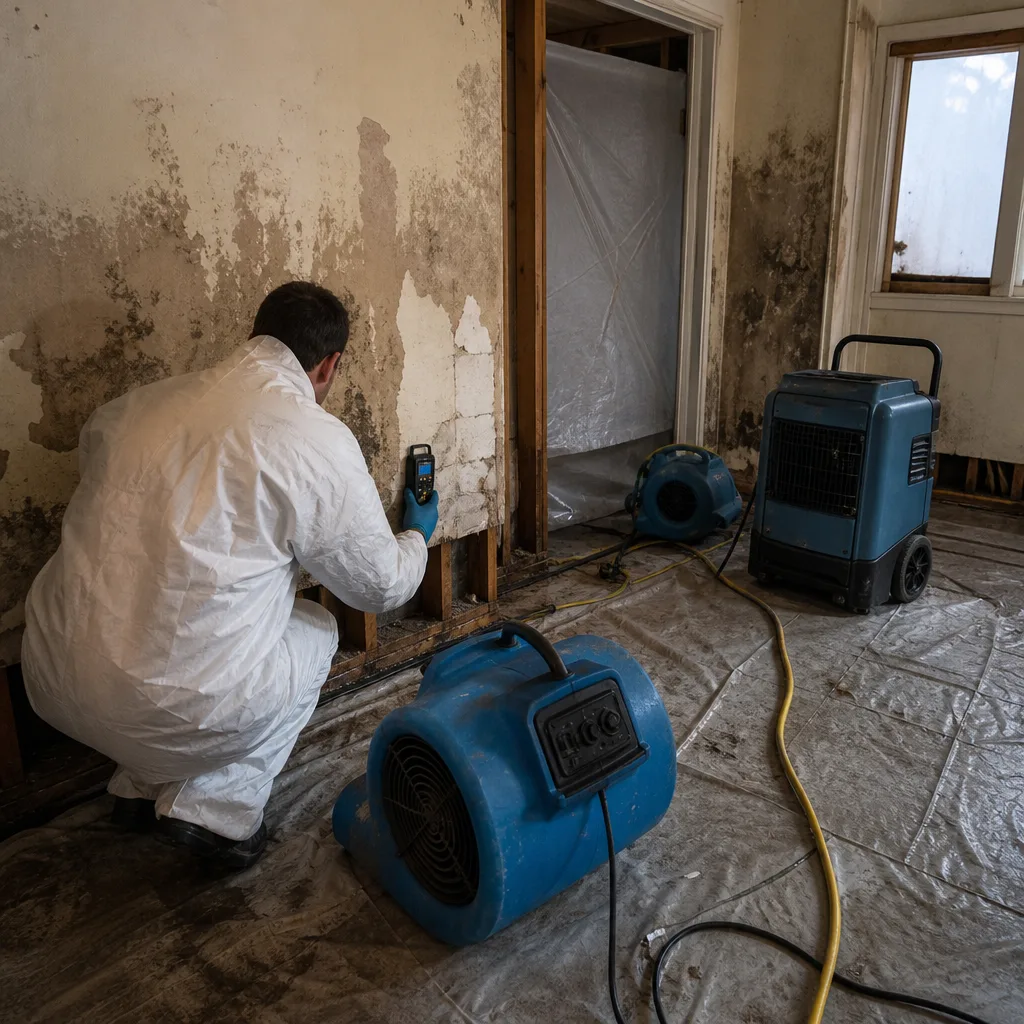 Before
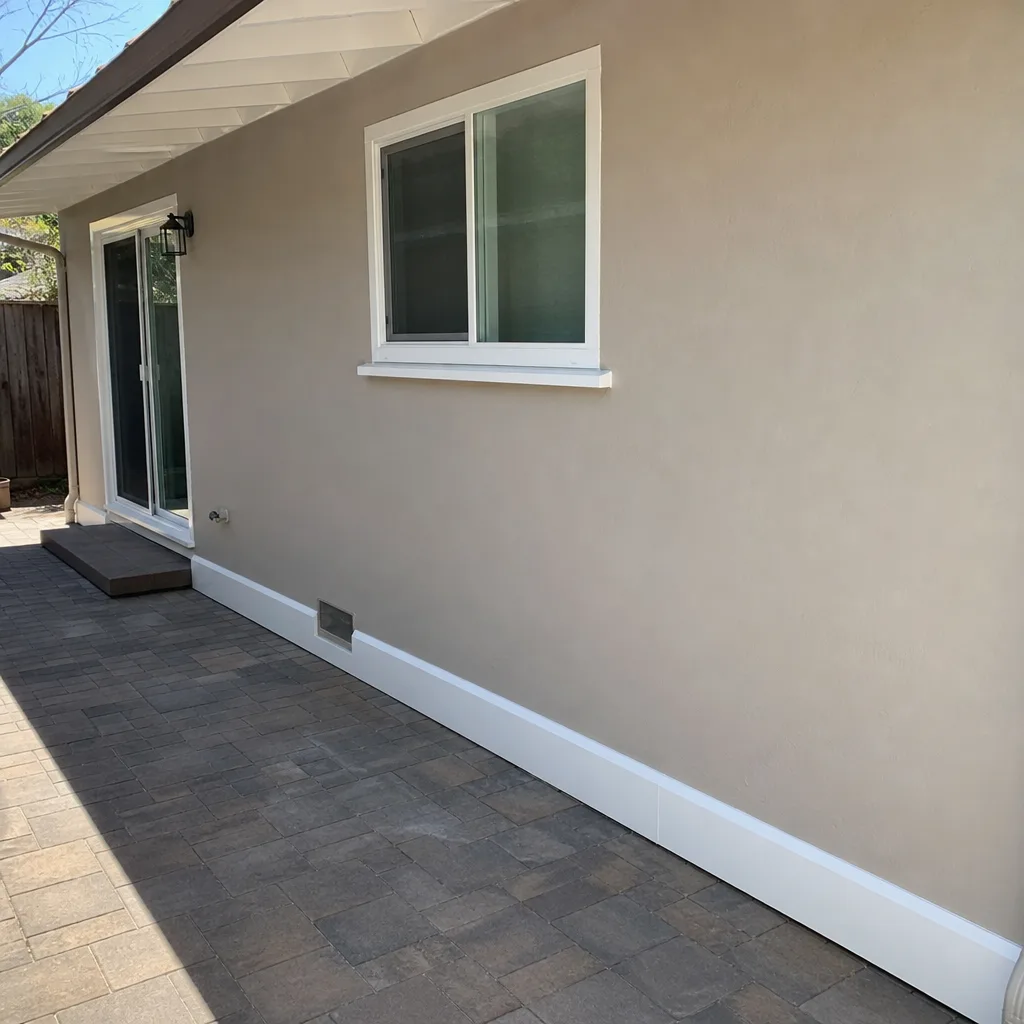 After
After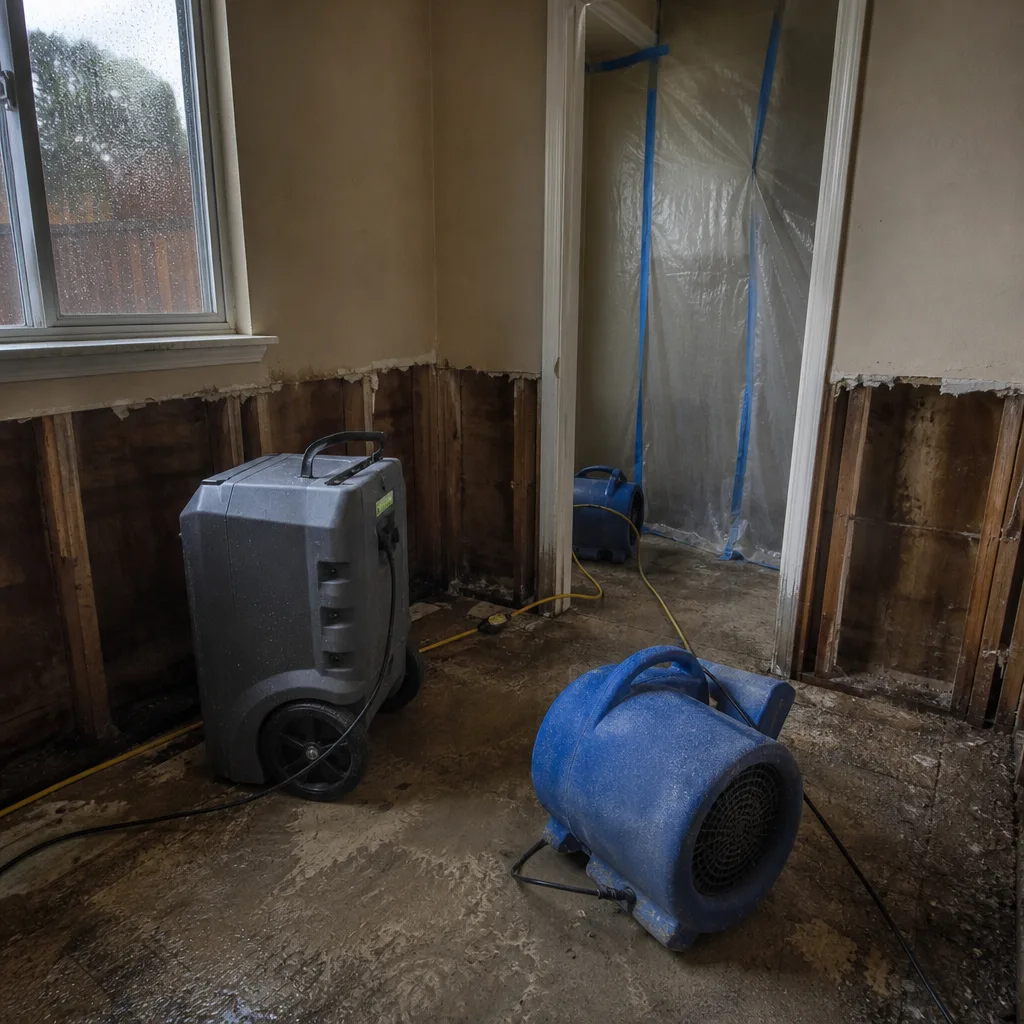 Before
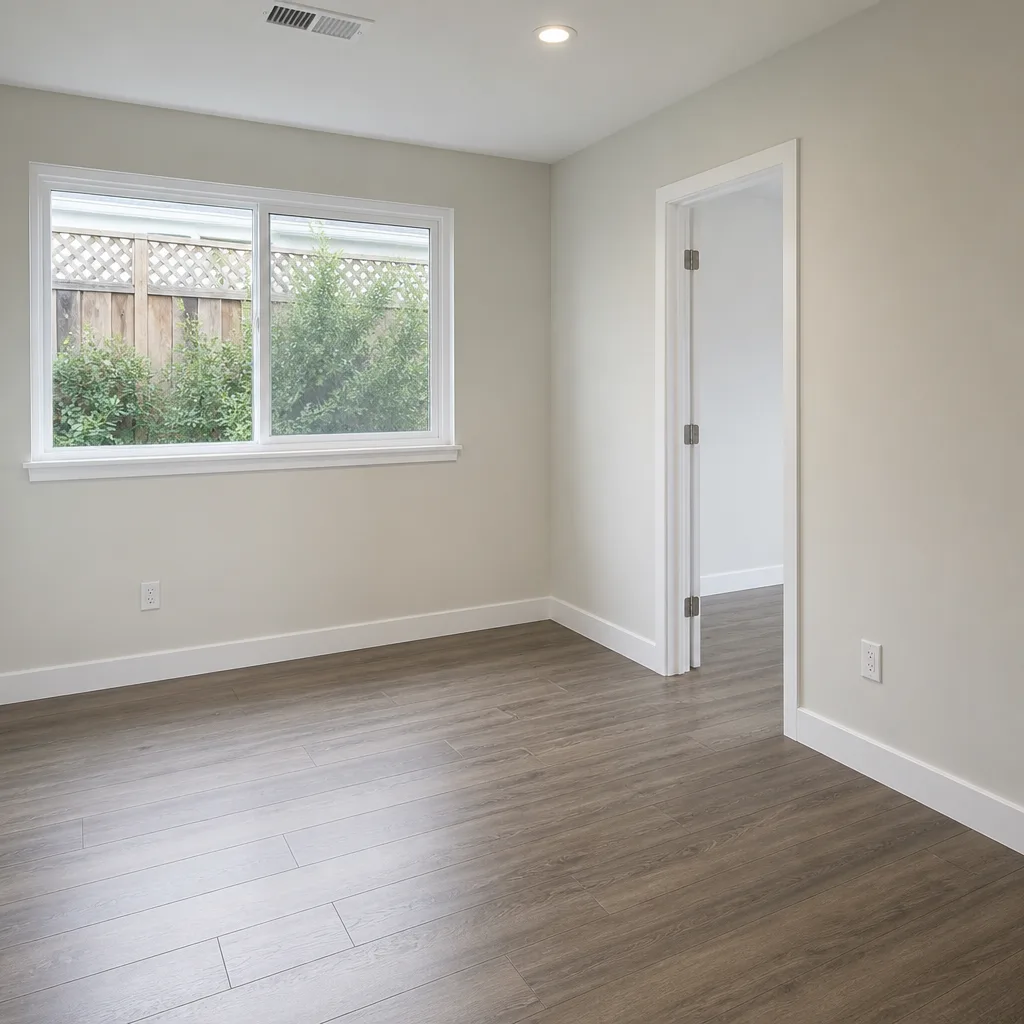 After
After