
Last updated October 16, 2026
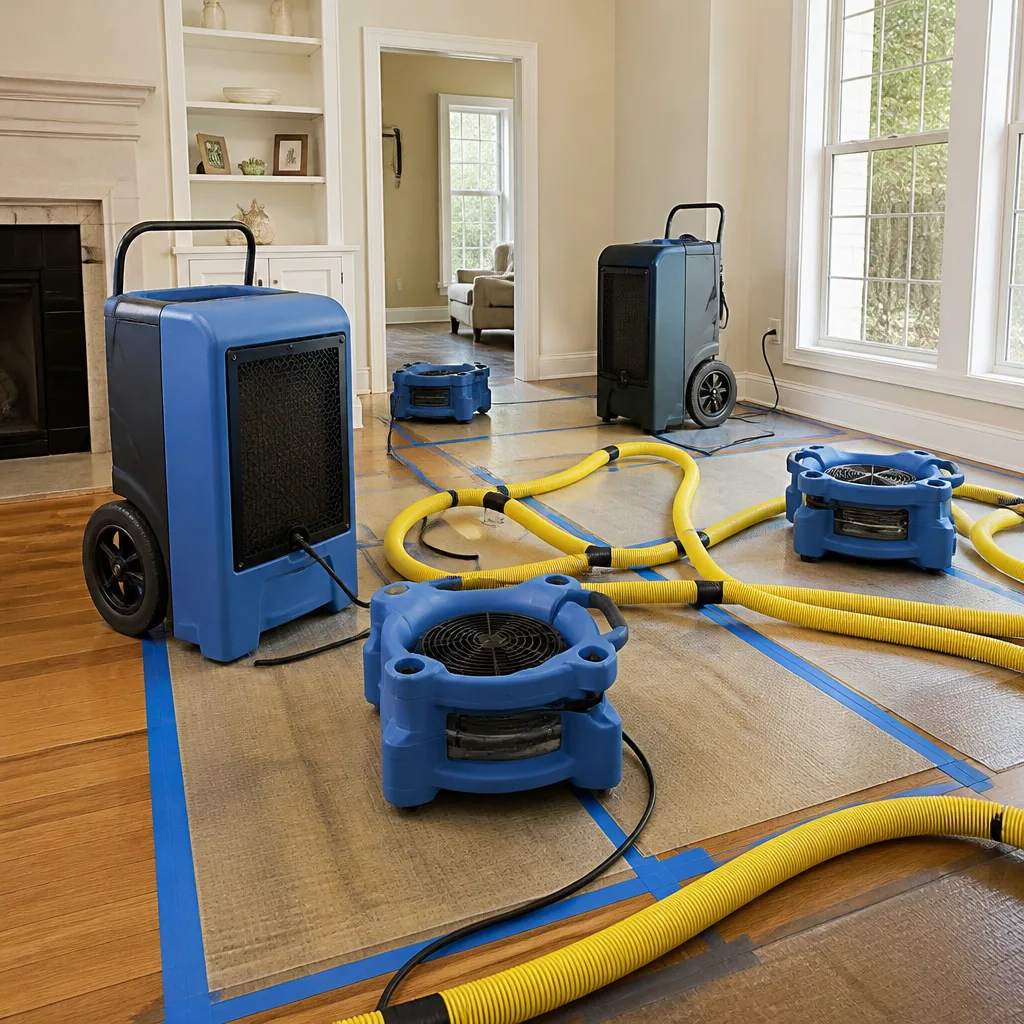 Water damage drying
 Fire & smoke cleanup
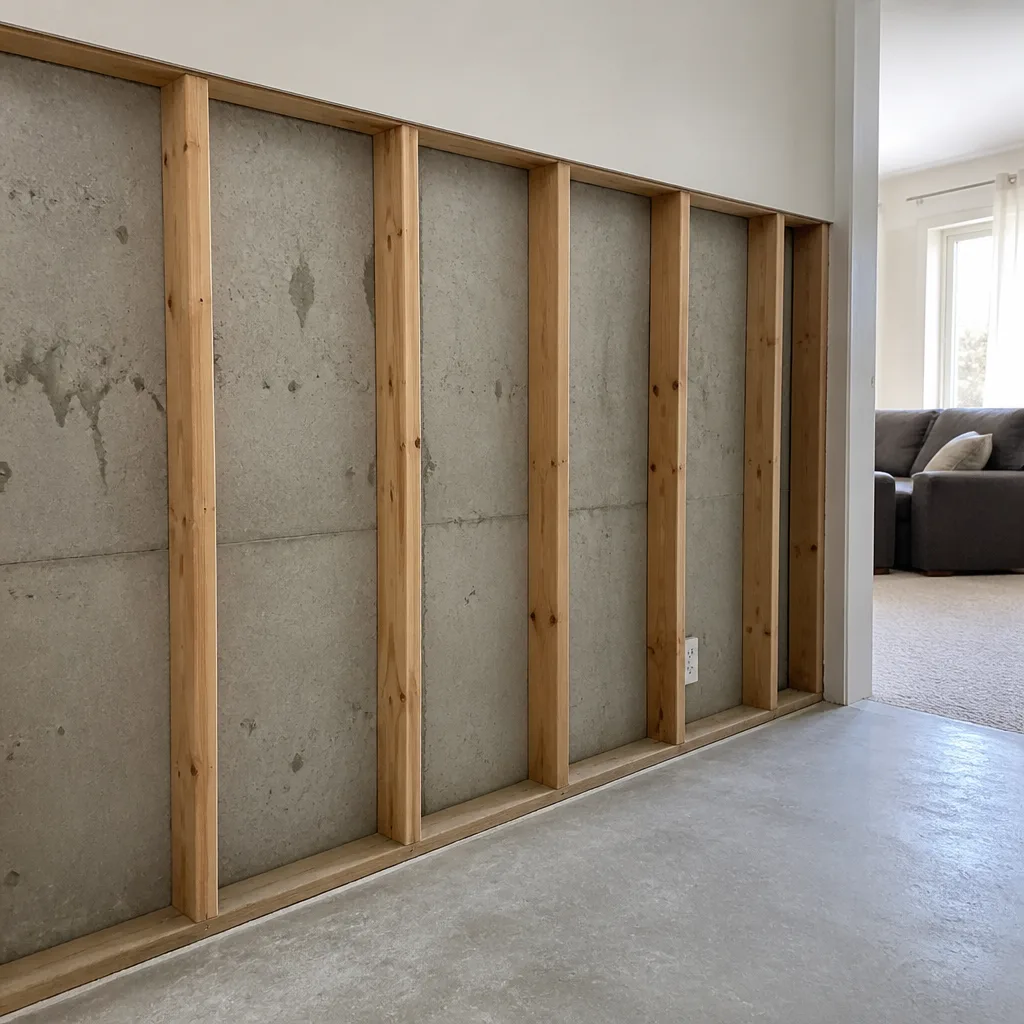 Mold remediation
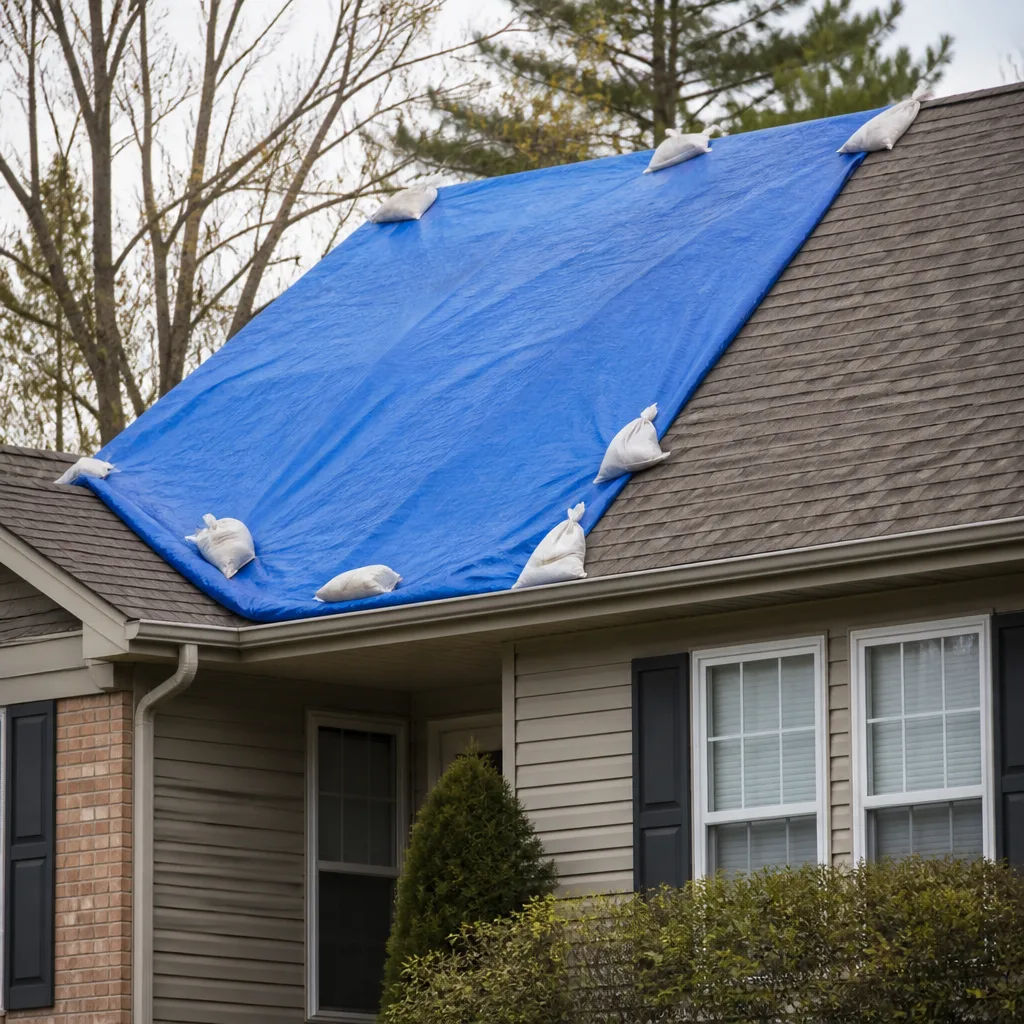 Storm response
 Sewage cleanup
 Reconstruction
Free visual inspection and a written scope of work before any mitigation begins - photos, moisture readings, and drying logs go in your claim file
The scope we write is the scope we bill. Anything new gets shown to you, in writing, before we touch it.
Get your free estimateHow to Hire a Damage Restoration Contractor in San Jose: A Step-by-Step Guide
California’s Contractors State License Board received more than 800 complaints against unlicensed restoration contractors in a single recent year, and the majority of victims signed contracts within 24 hours of discovering the damage, when they felt they had no choice. That’s the exact moment when a steady framework matters most. In San Jose, where a broken supply line can soak a crawlspace before most homeowners even reach for the main shutoff, the window between “I smell water” and “sign here” is where the damage actually compounds. This guide-along with our Complete Guide to Damage Restoration in San Jose-slows the process down just enough to protect you without costing you recovery time, walking through licensing checks, written estimates, arrival windows, insurance billing, and the questions that separate a prepared contractor from a pressure tactic.
Restoration work we handle
Quick Answer
Hiring a damage restoration contractor in San Jose comes down to five verifiable steps: confirm the company holds a valid California contractor’s license at license.ca.gov, request a written estimate that itemizes scope before any work begins, ask for a named 2-hour arrival window instead of accepting “we’ll be there today,” verify the company carries general liability and pollution coverage appropriate to the job, and require copies of every communication sent to your insurance adjuster. A contractor who handles these five things without hesitation is operating from a professional standard, not a pressure play.
Table of Contents
- Step 1: Verify the Contractor’s California License Before Anything Else
- Step 2: Understand What a Written Estimate Must Include in California
- Step 3: Evaluate the Arrival Window Commitment
- Step 4: Ask These Five Questions Before Signing Anything
- Step 5: Handle Insurance Billing Without Getting Taken
- Step 6: Vet Equipment, Standards, and the Guarantee
- Common Mistakes to Avoid
- When to Call a Professional
- Frequently Asked Questions
- The Bottom Line
Step 1: Verify the Contractor’s California License Before Anything Else
Every restoration contractor working in San Jose must hold a valid license issued by the Contractors State License Board (CSLB). The exact license class matters. For water damage restoration involving drying equipment, demolition, and reconstruction, the contractor typically holds a General Building (Class B) license, which covers multiple trades. If the job involves significant electrical work, such as rewiring a fire-damaged panel or replacing circuits affected by water intrusion, the contractor or a subcontractor must hold a C-10 Electrical license. A company that only holds a C-61/D-64 “Limited Specialty” classification for something like flooring cannot legally perform full water damage restoration or reconstruction in California.
Here’s the 60-second verification walkthrough:
- Go to license.ca.gov and select “Check a License.”
- Enter the company’s license number, which must appear on all advertising, vehicles, and contracts. If it’s not displayed, that’s your first red flag.
- Confirm the license status reads “Active,” not “Suspended,” “Expired,” or “Revoked.”
- Check the “Workers’ Compensation” field. If the company has employees, it must carry workers’ comp. Sole proprietors without employees may be exempt, but any restoration crew arriving at your San Jose home with more than one person should be covered.
- Look at the bond information. A $15,000 contractor’s bond is the state minimum; higher bond amounts signal additional financial responsibility.
We’ve seen homeowners in the Evergreen and Willow Glen neighborhoods of San Jose who skipped this step and discovered too late that the person standing in their flooded garage had no license at all, meaning no bond, no recourse, and often no insurance. The search takes less time than making a pot of coffee. Do it before you hand over a key or sign a contract. Our team at Dryden Restoration San Jose home includes our license number on every estimate because transparency here should be boringly predictable, not something you have to ask for twice.
Step 2: Understand What a Written Estimate Must Include in California
California law under the Home Improvement Contract (HIC) statute requires that any home improvement job exceeding $500 in combined labor and materials include a written contract before work begins. Damage restoration in San Jose routinely exceeds that threshold within the first few hours of drying equipment operation. The estimate must specify the total dollar amount, a description of the work to be performed, the approximate start and completion dates, and a statement that the contractor holds the required license and bond.
A written estimate should never be a one-line figure scrawled on a business card. It should break down the scope by category:
- Water extraction and demolition: Number of affected rooms, square footage of flooring removed, linear feet of baseboard and drywall cut.
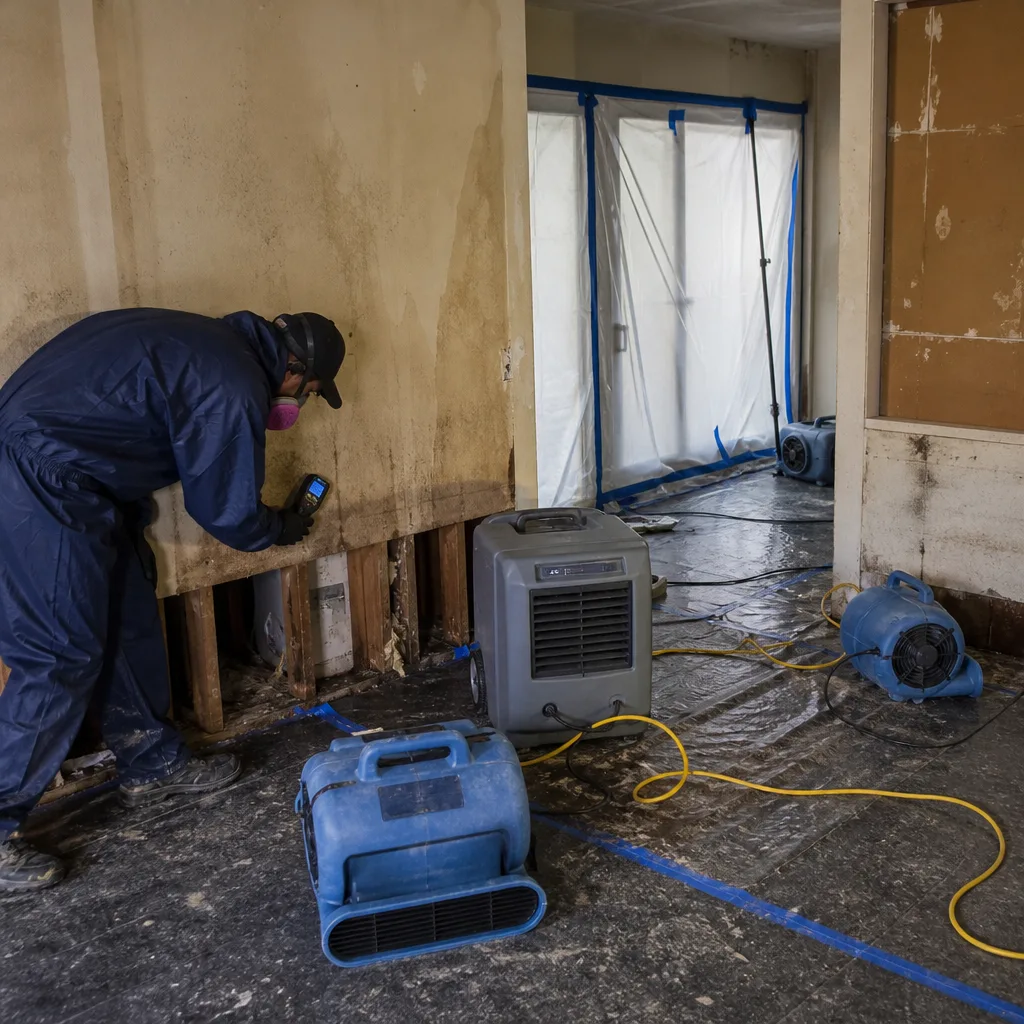
- Drying equipment: Type and count of air movers, dehumidifiers, and any specialty systems. We run Dri-Eaz and Phoenix drying equipment in San Jose homes, and each unit is listed on the estimate by model so you know exactly what will run in your home and for how long.
- Drying science metrics: The contractor should reference the starting moisture content of affected materials and target relative humidity (RH) levels. Psychrometric drying means tracking not just the air temperature but the relationship between temperature, humidity, and moisture movement. In plain English: a real drying plan uses measurements and targets, not guesses about when things are dry.
- Monitoring visits: How many times will the contractor return to check moisture readings during drying?
- Reconstruction scope: When applicable, the estimate should distinguish between mitigation (stopping the active damage) and reconstruction (rebuilding what was removed). Mitigation is priced to start quickly. Reconstruction is scoped, scheduled, and priced in writing like any remodel.
One practice we follow at our San Jose Water Damage Restoration in San Jose team is the written price before any tool is touched. That means the estimate you receive is the number you approve, and that number does not change at the door. If a contractor says they “can’t know the full scope” yet but still wants you to sign authorizing open-ended work, that’s a conversation to pause. A competent restoration company can write a scope that covers the known damage and has a defined process for documenting and approving any newly discovered issues with a change order in writing, before that additional work starts.
Step 3: Evaluate the Arrival Window Commitment
“We’ll be there today” is not a commitment. It’s a placeholder that gives the contractor all day and gives you nothing. In San Jose’s suburban neighborhoods, where a water event can start in the upstairs hall bath and finish in the garage ceiling, time is the active ingredient in mitigation-something we cover in our Seasonal Damage Restoration Care for San Jose: Year-Round Homeowner’s Guide. But a vague arrival promise is a weaker commitment than a named window.
Here’s why a named 2-hour window matters for restoration specifically:
- It indicates logistics discipline: A company that can commit to a 2-hour window has a dispatch system that knows where its crews are. This is the same system that will coordinate drying-equipment monitoring visits and reconstruction scheduling.
- It respects the physical reality of the job: If they’re late to the mitigation, they’ll be late to the follow-up moisture readings. Delayed drying extends the timeline for mold growth in San Jose’s climate, where the cool, damp winters and warm summers create favorable conditions for microbial activity in wet drywall.
- It tells you how they handle your time: An arrival window is a small promise. If a company won’t make a small promise in writing before they’ve even started, what’s the larger promise worth after your walls are open?
When you call a restoration contractor in San Jose, ask: “Can you give me a committed 2-hour arrival window?” Then note whether they say yes or deflect. At Dryden Restoration San Jose, a live person answers every call, 24 hours a day, 7 days a week, and can tell you when the crew will arrive, not just that they will. That’s a standard we hold because the alternative is a homeowner standing in a wet kitchen at 4 p.m. wondering if anyone is coming at all.
Step 4: Ask These Five Questions Before Signing Anything
The questions below are designed to reveal how a contractor operates under pressure. A trustworthy answer is specific and immediate. A concerning answer is deflective, vague, or emotionally charged. Ask all five, in order, before you sign.
Question 1: “What is your California contractor’s license number, and can I verify it right now?”
Trustworthy answer: The contractor recites the number from memory or shows it on a business card and invites you to look it up at license.ca.gov. They don’t act offended. Concerning answer: Any hesitation, any explanation about why the license is “being renewed,” or an offer to show you “another document.” There is no document that replaces a CSLB license.
Question 2: “Can you give me a written scope of work with a fixed price before any equipment gets set up?”
Trustworthy answer: Yes, and the contractor writes it out with line items. Concerning answer: “We have to get started immediately to prevent further damage, we’ll figure out the price as we go.” Emergency extraction can be authorized separately with a defined cost, but drying equipment placement, demolition, and monitoring should fall under a written scope with a dollar figure attached.
Question 3: “Who exactly will be in my home, and are they background-checked?”
Trustworthy answer: The contractor names the crew lead, confirms all technicians are background-checked, and describes the uniform they will arrive in. Concerning answer: “We have good guys” or a vague reference to “the team.” If the company cannot tell you who will enter your home in San Jose, you cannot tell whether the person at your door is supposed to be there.
Question 4: “What happens if the repair fails after you leave?”
Trustworthy answer: A specific warranty term with written documentation. At Dryden Restoration San Jose, the 365-Day Done Right Promise is written into every job: if a covered repair fails within a full year, we return and correct it at zero cost. Concerning answer: “We stand behind our work” with no defined period, no written terms, and no trigger for a return visit. That’s a slogan, not a guarantee.
Question 5: “How will you communicate with my insurance adjuster, and will I see everything you send?”
Trustworthy answer: The contractor commits to copying you on every communication with the adjuster and says so plainly. Concerning answer: “We’ll handle the insurance company, don’t worry about it” with no mention of you receiving documentation. That’s a bill inflation pattern waiting to happen.
Step 5: Handle Insurance Billing Without Getting Taken
Insurance is present in nearly every San Jose restoration job, even when the homeowner doesn’t remember the policy details. The way a contractor handles insurance billing reveals whether they’re working for you or working the claim. Here are the specific red flags to watch for, and the practices that protect you.
Assignment of Benefits Pressure
An Assignment of Benefits (AOB) is a legal document that transfers your right to receive insurance payments directly to the contractor. In some states, AOB abuse has inflated claim costs and locked homeowners out of their own claims. While California’s rules differ from states like Florida, the principle is the same: if a contractor pushes you to sign an AOB immediately after the damage, before you’ve read your policy or spoken to your adjuster, slow down. A legitimate contractor can bill your insurance for covered work without you signing away your claim rights. Ask to see the exact AOB language and have your adjuster review it first.
Inflated Initial Scopes
Some restoration companies write initial scopes that include every possible repair under the sun, on the logic that the insurance company will negotiate down anyway. This creates a paper trail that supports the contractor’s inflated billing and can trigger claim review friction for you. A legitimate written scope is accurate to the damage, with documented change orders if new damage is discovered. We’ve seen San Jose insurance adjusters respond far more favorably to well-documented, necessary scopes than to maximal estimates that treat the claim as a bargaining position.
You Deserve a Copy of Everything
Under California law, you are the policyholder and the claim belongs to you. Every communication between the contractor and your adjuster, including scope documents, moisture readings, photo documentation, and billing correspondence, should be sent to you as well. If a contractor cannot or will not provide copies, that’s a signal that the information flow is being managed in one direction. Our standard at Dryden Restoration San Jose is direct and simple: you receive a copy of every communication sent to your adjuster, every time. That includes photo documentation of the affected areas, equipment placement, and moisture-level readings. If it’s in the file, it’s in your inbox.
For mold damage specifically, the question “Do I really need full remediation or just a cleaning?” comes up constantly in San Jose, especially after seasonal rains have kept crawlspaces damp. The answer depends on the square footage of visible growth and whether porous materials like drywall and insulation are involved. If testing confirms elevated spore counts in the living space, full remediation following IICRC standards, which we perform under our Mold Remediation in San Jose service, is the defensible path for both health and insurance documentation. Cleaning alone rarely addresses the moisture source driving the problem.
Step 6: Vet Equipment, Standards, and the Guarantee
Restoration is a trade where the quality of the equipment and the standards of the crew determine whether the job holds up after the furniture is moved back. In San Jose, where homes range from 1920s bungalows in Naglee Park to 1980s two-story builds in Almaden Valley, the drying plan has to fit the structure, not just the square footage.
Here’s what to look for:
Professional-Grade Equipment
Residential restoration work requires the same category of equipment used on commercial losses. The brands that matter in the industry include Dri-Eaz and Phoenix, both of which manufacture high-capacity low-grain refrigerant dehumidifiers, and tools like the Injectidry system, which applies negative pressure drying to wall cavities without tearing out every sheet of drywall. In plain English: Injectidry lets a technician dry inside walls through small access points instead of gutting the room. It can save thousands in reconstruction costs when the water profile allows it. Ask your contractor what drying equipment they will place in your home and specifically what type of dehumidifier, because residential units from a hardware store cannot match the moisture-removal rate of professional restoration machines. At Dryden Restoration San Jose, we run Dri-Eaz and Phoenix systems as standard, and we explain the drying plan in plain language before any machine is plugged in.
Standards and Certifications
The damage restoration industry’s recognized benchmarks come from the IICRC (Institute of Inspection, Cleaning and Restoration Certification), the RIA (Restoration Industry Association), and the IFA (International Facility Management Association’s relevant standards for commercial spaces). IICRC and RIA standards govern the actual drying process, the moisture readings, the antimicrobial applications, and the documentation required for insurance claims. IFA standards come into play on larger-scale projects where building envelope and systems thinking apply. A contractor who does not know what these organizations stand for is skipping the science layer of the trade. Our work follows IICRC, RIA, and IFA-aligned standards because the alternative is guesswork dressed up as restoration.
The Guarantee in Writing
Ask for the warranty as a document, not a promise. The 365-Day Done Right Promise we include on every San Jose job works like this: if a covered repair fails within a full year, we return at no charge and correct it. The trigger is the covered repair failing during normal use, not a new leak or damage from an unrelated cause. The free return visit covers the same trade scope as the original work, and the guarantee is documented in writing as part of the initial job file. If a contractor cannot show you a written guarantee before work begins, assume the verbal one evaporates at the end of the driveway.
Common Mistakes to Avoid
- Signing within the same hour as the damage. San Jose homeowners facing a burst supply line in a second-story bathroom often sign the first estimate in front of them. Take 30 minutes to check the license and request a written scope. The water is already out; the next half-hour is for accuracy, not acceleration.
- Accepting “we’ll be there today” as a schedule. A named 2-hour window is the minimum professional standard. In San Jose’s commute-heavy areas like Berryessa and Cambrian, vague arrival promises often mean the crew is juggling too many jobs or has no dispatch system at all.
- Paying a large deposit before any work starts. California law limits down payments for home improvement contracts to 10% of the total job price or $1,000, whichever is less. A contractor demanding 50% upfront for mitigation work is violating state law. On mitigation, a legitimate company typically bills through insurance and collects only the deductible portion once the claim is approved.
- Letting the contractor negotiate directly with the adjuster without your involvement. You should be copied on every communication. If the contractor wants to “handle all that for you,” the claim becomes a private conversation between two parties, one of whom does not live in your house.
- Skipping the written scope for emergency extraction. Even emergency water extraction can be priced in advance as a standalone service. A contractor who starts extracting before quoting anything is billing from a blank page.
- Assuming your policy covers everything. San Jose homeowners frequently discover that their standard homeowner’s policy excludes or caps coverage for certain water sources, like groundwater intrusion or slow leaks older than 14 days. Have your adjuster clarify coverage before assuming the restoration bill is fully payable by insurance.
- Choosing the contractor who answers the phone, not the one who passes the checks. The best phone presence in Santa Clara County means nothing if the license is inactive, the equipment is consumer-grade, and the guarantee is verbal. Run the checks in the order this guide presents them.
When to Call a Professional
Some situations can be addressed with a mop and a fan. Most cannot, and the line is drawn by three factors: the number of affected materials, the presence of sewage or contaminated water, and the elapsed time. If water has soaked into drywall, baseboards, or flooring and been there for more than 24 hours, professional drying equipment is needed to prevent mold growth inside wall cavities. If you smell sewage, do not enter the area without protective equipment; sewage restoration is a health hazard that requires professional handling. If you see a bullseye stain, a sagging ceiling, or a paint bubble in the middle of the night, shut off the water at the main valve and call. For fire or smoke damage, any event that requires fire department response should trigger professional restoration, not just because of the burned materials, but because of the smoke residues and the chemical compounds they leave on surfaces throughout the home.
Fire Damage Restoration in San Jose requires specific protocols for soot removal, odor neutralization, and content cleaning. Dryden Restoration San Jose offers free estimates on damage restoration in San Jose. Call (669) 770-7417 and a live person will answer.
Frequently Asked Questions
Water damage restoration in San Jose typically ranges from $2,500 to $7,500 for moderate mitigation involving extraction, drying equipment, and limited demolition, while full restoration including reconstruction runs between $8,000 and $25,000 depending on affected square footage and finish level. These ranges reflect the Santa Clara County market specifically; our written estimates itemize every line so you see exactly where each dollar goes. Call (669) 770-7417 for an exact quote, estimates are free.
Most standard homeowner’s policies cover sudden and accidental water damage, such as a burst pipe or an overflowing appliance, but many exclude or cap coverage for groundwater, flood, or slow leaks that persisted for more than two weeks. Your claim depends on the specific policy language, and you should ask your adjuster directly about your water exclusion clauses before approving large mitigation scopes. We help San Jose homeowners navigate this conversation by providing photo documentation and written drying records directly to the adjuster with you copied on every exchange.
A professional restoration company with a real dispatch system can typically arrive at a San Jose address within 60 to 90 minutes of a call for emergency water extraction, though the specific timeline depends on current call volume, weather patterns, and your location within the city. The key is a named 2-hour window rather than a vague promise, because the named window tells you whether the contractor actually knows where its crews are. Our dispatch desk at (669) 770-7417 answers live and gives a committed arrival window on every call, day or night.
If visible mold covers less than 10 square feet and is on non-porous surfaces like tile or glass, cleaning with appropriate products may be sufficient, but any growth on drywall, insulation, or carpet padding means porous materials have been colonized and require removal according to IICRC protocol. Cleaning visible mold without addressing the moisture source and the hidden growth inside wall cavities leaves the problem active and likely to return. A professional mold assessment in San Jose should include moisture-source identification, not just surface treatment.
The CSLB is the California Contractors State License Board, the state agency that licenses and regulates construction-related trades, including restoration contractors working in San Jose and throughout California. Checking a license at license.ca.gov confirms the contractor is legally allowed to work, bonded against certain damages, and current on workers’ compensation requirements. Skipping this check is the single fastest way to end up with an unlicensed operator and no legal recourse when the work fails.
Yes, we coordinate with insurance adjusters for San Jose homeowners on water, mold, and fire damage claims, and we bill directly to the insurance company for covered work while keeping you copied on every document, per our standard practice. You receive a copy of everything sent to your adjuster, including the initial scope, photo documentation, moisture readings, and billing correspondence. This direct documentation approach helps claims move through review with fewer delays. Call (669) 770-7417 to discuss your specific claim situation.
The Bottom Line
Hiring a damage restoration contractor in San Jose is a process that rewards the homeowner who slows down just enough to run the checks, and you can find more guides & resources on our blog to help. Verify the license at license.ca.gov, demand a written scope with a fixed price before work starts, insist on a named arrival window, ask the five questions that reveal a contractor’s operating standards, and stay copied on every insurance communication. The companies that pass those tests are the ones that show up on time, price honestly, and put the guarantee in writing. The ones that don’t are statistically likely to be the same companies generating the CSLB complaint numbers. When you need the work done right in San Jose, call (669) 770-7417 for a free estimate, and we’ll put the answers in writing before any tool leaves the truck.
Written by Carl Brandt, Owner at Dryden Restoration San Jose, serving San Jose since 2005.
See the difference
 Before
 After
After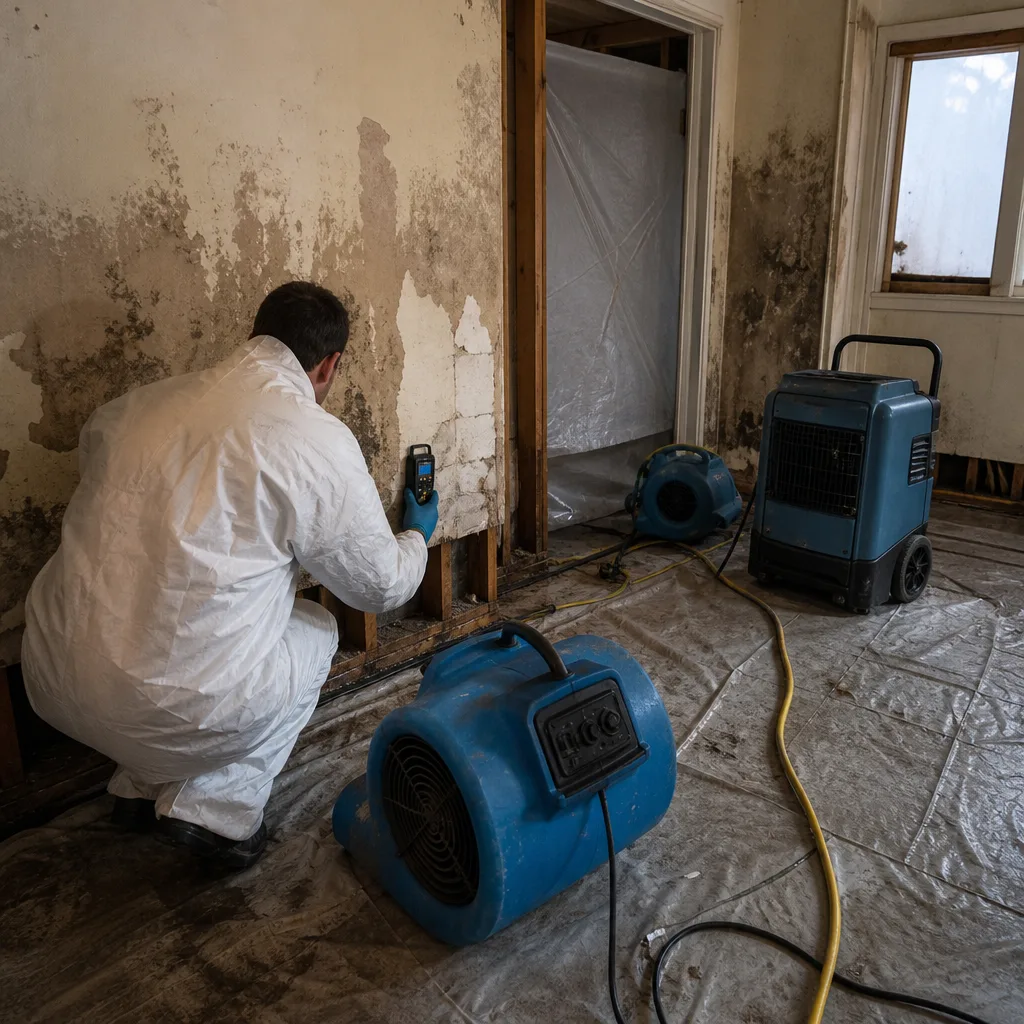 Before
 After
After Before
 After
After