
Last updated October 16, 2026
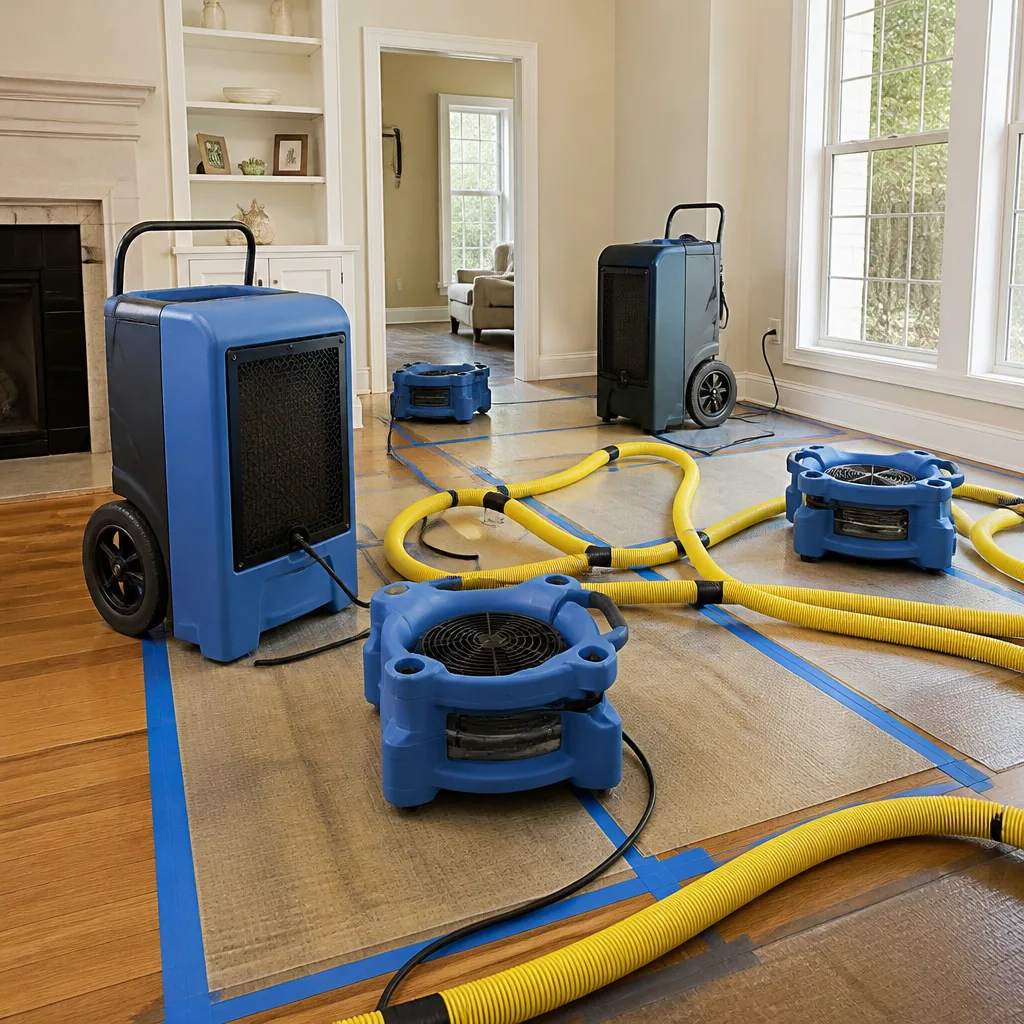 Water damage drying
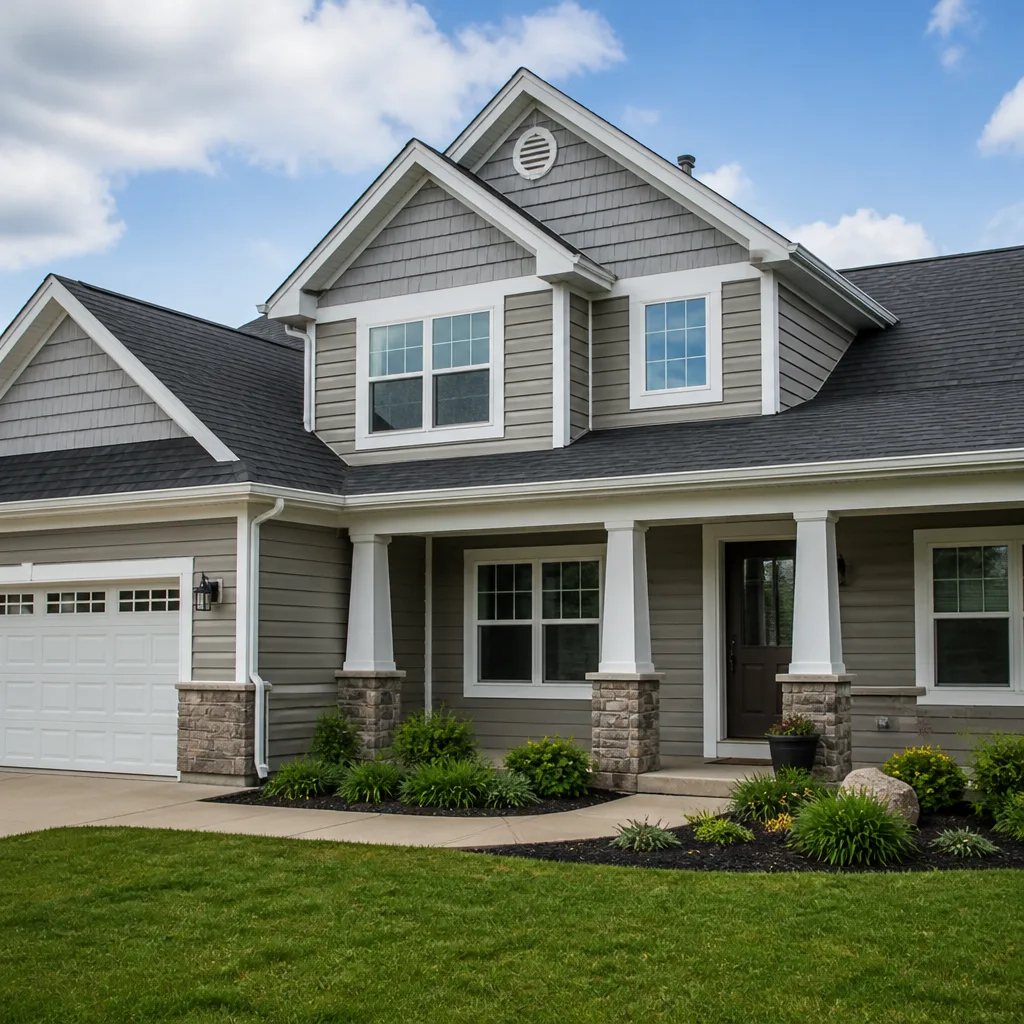 Fire & smoke cleanup
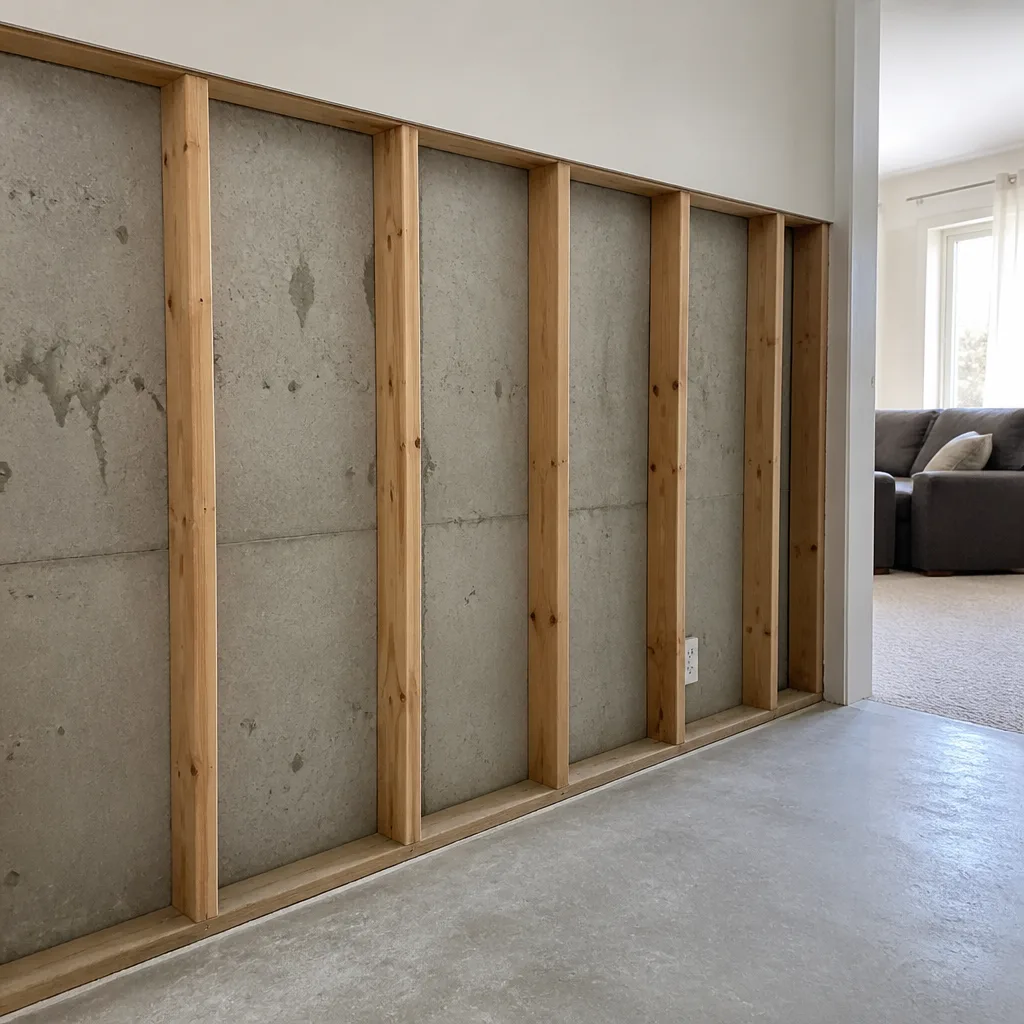 Mold remediation
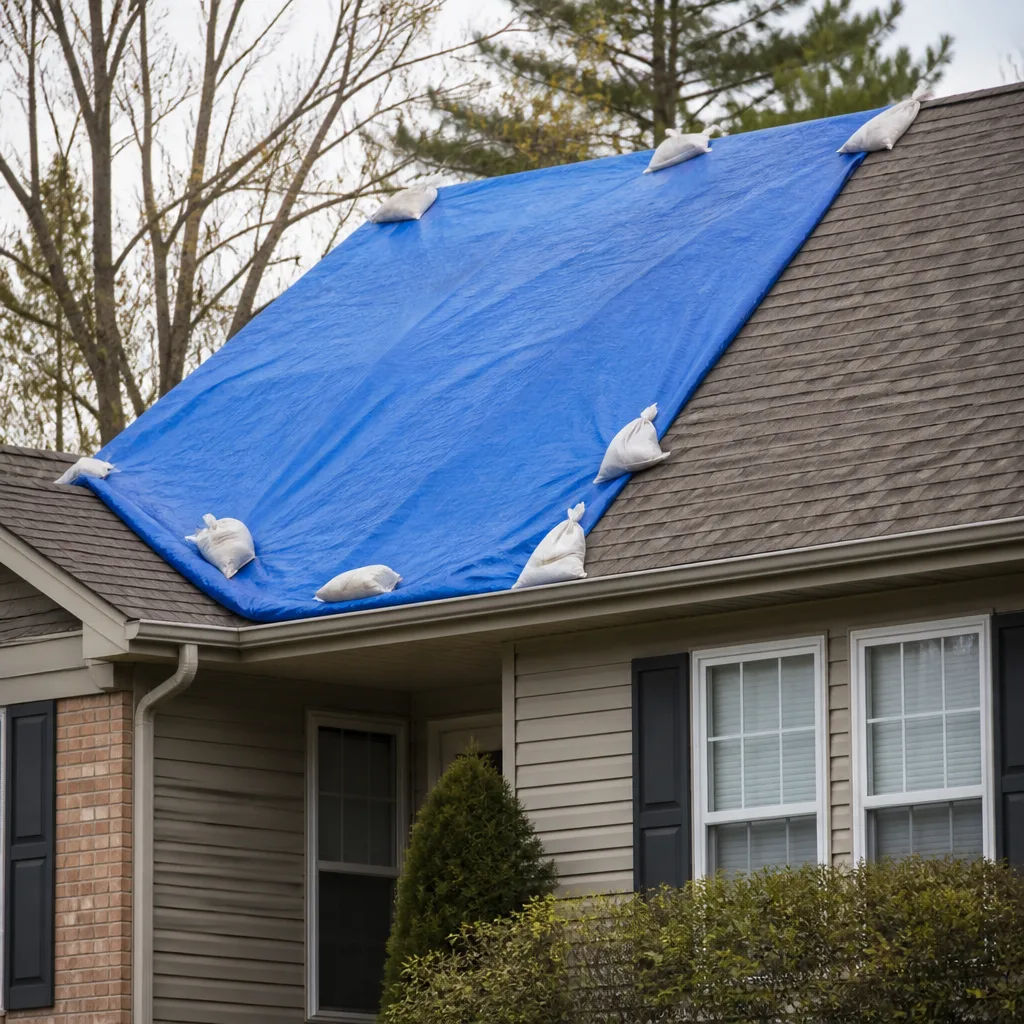 Storm response
 Sewage cleanup
 Reconstruction
Free visual inspection and a written scope of work before any mitigation begins - photos, moisture readings, and drying logs go in your claim file
The scope we write is the scope we bill. Anything new gets shown to you, in writing, before we touch it.
Get your free estimateThe Complete Guide to Damage Restoration in San Jose
Here’s something most San Jose homeowners learn the hard way: calling one restoration company usually means receiving two, three, or even four separate invoices. Water mitigation, structural drying, and rebuild are legally distinct trades in California, often performed by different crews under different billing structures. A single “restoration” job can easily splinter into surprise line items if nobody explains the phases upfront. This guide exists so you understand exactly how the process works in San Jose before water touches your baseboards or smoke touches your drywall, and you can explore more guides & resources once you’re done.
Quick Answer
Damage restoration in San Jose means three connected but separately billed phases: mitigation (stopping the active damage), structural drying (removing hidden moisture), and rebuild (putting your home back together). Most jobs take 5 to 14 days from first call to final walkthrough, depending on damage scope and San Jose’s winter humidity levels. Dryden Restoration San Jose provides a written price before any work begins, so you’ll never see a surprise invoice at the door.
Restoration work we handle
Table of Contents
- The Three Phases of Damage Restoration, Explained in Plain English
- What Makes San Jose Damage Restoration Different
- What a Legitimate Written Scope of Work Looks Like
- Why San Jose’s Humidity Baseline Changes Your Drying Timeline
- Real Cost Ranges for San Jose Restoration Work
- Red Flags in the San Jose Restoration Market
- How Insurance Fits Into the Restoration Process
- Common Mistakes to Avoid
The Three Phases of Damage Restoration, Explained in Plain English
Damage restoration is not one job. It’s three consecutive trades, each with its own timeline, equipment, and invoice. Understanding the boundaries between them is the single most effective way to protect yourself from inflated or duplicate charges. In our experience serving San Jose since 2005, homeowners who understand these phases ask sharper questions and get fairer pricing.
Phase 1: Mitigation (Stopping the Damage)
Mitigation is emergency work. Its only goal is to stop the active damage from spreading. For water damage, that means extracting standing water, removing soaked carpet padding, and cutting away unsalvageable drywall. For fire damage, it means boarding up broken windows, tarping roof openings, and beginning soot containment. Mitigation typically starts within hours of your call and runs 1 to 3 days.
In California, mitigation work may be performed by any licensed contractor. It does not require a specialty license. This is important because many companies that only do mitigation will hand you off to a different company for the next phase without telling you that’s what’s happening.
Phase 2: Structural Drying
Structural drying is the science phase. After standing water is gone, moisture remains trapped inside wall cavities, subflooring, and framing lumber. This hidden moisture is what causes warping, mold growth, and long-term structural weakening. Professional drying uses industrial air movers and dehumidifiers to pull that moisture out of building materials until moisture meters confirm the structure has returned to a stable baseline.
This phase is measured in days, not hours. In San Jose’s winter climate, drying often takes 3 to 5 days. In summer, when relative humidity drops, the same job might finish in 2 to 3 days. A legitimate drying company uses Water Damage Restoration in San Jose equipment like Dri-Eaz dehumidifiers and Phoenix air movers, and shows you moisture meter readings at the start and end of every day. If a company cannot produce moisture readings, they are guessing.
One term you’ll hear: psychrometric drying. It sounds technical, but it simply means drying based on measured temperature, humidity, and moisture content rather than guesswork. The technician takes readings, calculates how much moisture is present, and positions equipment accordingly. That’s it.
Phase 3: Rebuild
Rebuild is the construction phase. After the structure is dry and verified, someone has to put everything back: new drywall, paint, flooring, trim, sometimes cabinetry. Rebuild work is scoped, scheduled, and priced in writing before it begins, like a remodel. It is never an emergency. A good restoration company will provide a written rebuild scope with line-item pricing before the first sheet of drywall is hung.
Here’s where the multi-invoice problem comes from: many companies that are excellent at mitigation and drying outsource their rebuild work to a third-party general contractor. That subcontractor sends their own invoice. The homeowner, expecting one bill, receives three. Dryden Restoration San Jose handles all three phases under one written scope, which is rare in this market and the reason we put our Dryden Restoration San Jose home promise in writing before any tool is touched.
What Makes San Jose Damage Restoration Different
San Jose is not like other California cities when it comes to restoration work. Two local factors change how water and fire damage behave here, and most generic advice online ignores both.
Clay-Heavy Soil and Older Slab Foundations
A significant portion of San Jose’s housing stock was built before 1980 on concrete slab foundations. These slabs sit on the valley floor’s expansive clay soil, which swells when wet and shrinks when dry. When a pipe leaks under a slab, the water doesn’t just damage the flooring above, it can destabilize the soil beneath the foundation itself. In neighborhoods like Willow Glen, Cambrian, and Almaden Valley, we regularly see slab leaks that have been running for weeks before anyone notices, because the water seeps downward into the clay rather than pooling visibly on the surface.
This means San Jose homeowners should be alert to signs that are easy to miss: warm spots on flooring, unexplained increases in water bills, faint musty odors that persist despite cleaning, or hairline cracks that appear suddenly in interior walls. These are not cosmetic issues; they are Damage Restoration Warning Signs: A San Jose Homeowner’s Reference Guide that moisture is moving through or under your slab.
Winter Humidity Baselines in the Bay Area
San Jose’s winter relative humidity routinely stays between 70 and 80 percent. That’s not a problem for your structure when everything is dry and sealed. But it becomes a serious factor after water damage, because humid air dramatically slows evaporation from saturated building materials. A drying job that takes 3 days in a Fresno summer can take 5 to 7 days in a San Jose winter. This directly affects your invoice, because structural drying is often billed at a daily rate.
This is also why cheap drying quotes from out-of-town companies should raise your eyebrows. A company that doesn’t understand Bay Area humidity baselines will under-bid the drying timeline, then hit you with change orders when the job runs long. Dryden Restoration San Jose has been drying structures in this exact climate since 2005, and our drying plans are built around actual local conditions, not national averages. Our work follows standards set by the IICRC and RIA, the two bodies that write the book on proper structural drying.
What a Legitimate Written Scope of Work Looks Like
A written scope of work is the single most important document in any restoration job. It’s your contract. It’s your insurance claim evidence. It’s your protection against price changes at the door. Here’s what a legitimate scope includes, line by line, and what to do if yours doesn’t.
Before any tool is touched, you should receive a document that includes:
- Specific areas affected: Room by room, with measurements. Not “downstairs bathroom,” but “downstairs bathroom, 5 ft x 7 ft, walls to 2 ft height, subfloor under vanity.”
- Equipment list with quantities: Number of air movers, dehumidifiers, and any specialty equipment like Injectidry systems for drying cavities. Brand and model are good signs, because it means the company has a real inventory.
- Drying timeline estimate: A range in days, with the moisture meter benchmark that will confirm completion. This is the line that prevents “it needs another week” surprises.
- Rebuild line items: Every material and labor cost for putting your home back together, priced before work starts. If the scope says “TBD” or “to be determined,” stop and ask for the number.
- Guarantee language: The Dryden 365-Day Done Right Promise is an example of what to look for: a written commitment that if a covered repair fails within one full year, we come back and make it right at no charge. If a company won’t put its guarantee in writing, the verbal promise is worth exactly what it cost.
If a contractor hands you a one-page estimate with a single lump-sum number and no breakdown, walk away. That’s not a scope; that’s a guess with your name on it.
Why San Jose’s Humidity Baseline Changes Your Drying Timeline
Most homeowners assume drying is drying: run fans for a few days, check that things feel dry to the touch, and you’re done. That assumption is why so many San Jose homes develop mold months after a “successful” water damage restoration. The surface feels dry. The wall cavity is still wet.
Here’s the mechanics. When relative humidity (RH) in the air is high, water evaporates from wet materials more slowly. At 70 to 80 percent RH, which is normal for San Jose winters, evaporation nearly stalls. Industrial dehumidifiers don’t just move air; they remove moisture from the air itself, creating a local environment where evaporation can proceed efficiently despite the outside humidity. This is why professional equipment like B-Air dehumidifiers and Phoenix air movers matters. A box fan from Home Depot moves air but does nothing to lower RH, which means the moisture just moves around the room instead of leaving it.
What this means for your daily rate: drying is billed by the day. A 3-day drying job at a daily equipment rate costs three daily fees. A 7-day drying job costs seven. A contractor who doesn’t understand San Jose’s winter humidity will initially quote you three days, then bill you for seven when the moisture meter says otherwise. Our drying plans at Dryden Restoration San Jose are priced with realistic timetables built on nearly two decades of local climate data, so the written price holds.
Real Cost Ranges for San Jose Restoration Work
You deserve specific numbers, not “call for a quote” evasions. Here are the ranges we see across San Jose for typical residential restoration jobs. These are ranges, not quotes; your exact price depends on square footage, materials, and the severity of the damage.
| Service | Typical Cost Range in San Jose | What’s Included |
|---|---|---|
| Water mitigation (single room) | $800 to $2,500 | Water extraction, removal of soaked materials, initial equipment setup |
| Structural drying (per day) | $200 to $500 per day | Air movers, dehumidifiers, daily moisture monitoring |
| Full rebuild (single room) | $3,000 to $12,000 | Drywall, paint, flooring, trim, complete restoration to pre-loss condition |
| Mold remediation (contained area) | $1,500 to $6,000 | Containment, HEPA air filtration, removal, post-remediation verification |
| Fire damage restoration (smoke mitigation) | $2,500 to $10,000 | Soot removal, odor treatment, surface cleaning, sealing |
These numbers reflect what legitimate, insured San Jose restoration companies charge. If a quote comes in dramatically below these ranges, ask what’s being left out. In this market, the low bid usually means either an unlicensed crew, a scope that will grow once work begins, or a subcontractor you’ll never meet until the invoice arrives. For detailed pricing on a specific type of damage, see our guidance on Mold Remediation in San Jose.
Red Flags in the San Jose Restoration Market
San Jose’s restoration market has a problem with unlicensed operators and assignment-of-benefits pressure. Here’s what to watch for:
- Unlicensed crews: California requires a contractor’s license for any job over $500 in labor and materials. Ask for the license number and verify it online at the CSLB website before anyone enters your home. A legitimate company will offer this information without hesitation.
- Assignment of benefits pressure: Some companies ask you to sign over your insurance claim rights directly to them. This is called assignment of benefits, and while it’s legal in some states, it’s a recipe for disputes in California. You should never sign away your right to receive payment from your insurer.
- Post-storm out-of-town companies: After major storms, restoration companies from other states show up in San Jose with aggressive marketing and lowball bids. They don’t know local code, don’t have local supply relationships, and they leave town before your warranty period starts. Ask any company how long they’ve served the San Jose area.
- Daily-rate drying without a written endpoint: A company that says “we’ll dry it as long as it takes” is billing you by the day. A legitimate scope includes a target timeline and a measurable endpoint. If the endpoint is missing, the daily rate is a blank check.
How Insurance Fits Into the Restoration Process
Insurance is almost always part of the picture, even when it’s not spoken aloud. Homeowners insurance covers sudden and accidental water damage, fire damage, and often mold remediation if it results from a covered event. Here’s how to handle the insurance side without getting caught in the middle.
First, document everything with photos before any work begins. Your claim depends on clear evidence of the damage and its extent. Dryden Restoration San Jose provides photo-documented assessments on every job, and we coordinate directly with your adjuster so you’re not playing telephone between a restoration company and an insurance carrier.
Second, understand what your policy covers before you sign anything. Most policies exclude gradual water damage (a slow leak that ran for months) but cover sudden events (a burst pipe, an overflowing washing machine). If you’re unsure, call your agent before the restoration company begins demolition. Once walls come out, the evidence is harder to establish.
Third, if your insurer sends their own preferred contractor, remember that you are not required to use them. California law gives you the right to choose your own restoration company. The insurance company’s contractor works for the insurance company. Yours works for you. This distinction matters when scopes are disputed. For fire-specific insurance guidance, see Fire Damage Restoration in San Jose.
Common Mistakes to Avoid
- Waiting to call. Water damage compounds hourly. Mold can begin forming within 24 to 48 hours in San Jose’s humidity. The longer you wait, the more mitigation and rebuild the job requires. Call immediately.
- Accepting a verbal estimate. A verbal number is legally meaningless in California. Demand a written scope before any tool is touched. If the contractor hesitates, that’s your answer.
- Assuming your insurance adjuster will catch everything. Adjusters are skilled, but they’re not restoration technicians. Omitted line items in the adjuster’s scope become your out-of-pocket costs. A restoration company that documents thoroughly and coordinates directly with your adjuster is worth more than any discount.
- Skipping structural drying to save money. Covering wet framing with new drywall is the most common cause of hidden mold in San Jose homes. The mold remediation bill later will be three to five times the cost of proper drying now.
- Choosing a company that only does mitigation. If your restoration company doesn’t handle rebuild, you’ll be coordinating between multiple contractors and receiving multiple invoices. Ask upfront: do you handle all three phases, or will you subcontract?
- Not reading the guarantee language. A warranty is only as good as its written terms. Does it cover labor? Does it cover materials? Does it trigger a free return visit? If the guarantee isn’t in writing, it doesn’t exist. The 365-Day Done Right Promise from Dryden Restoration San Jose is documented on every job, not verbal.
See the difference
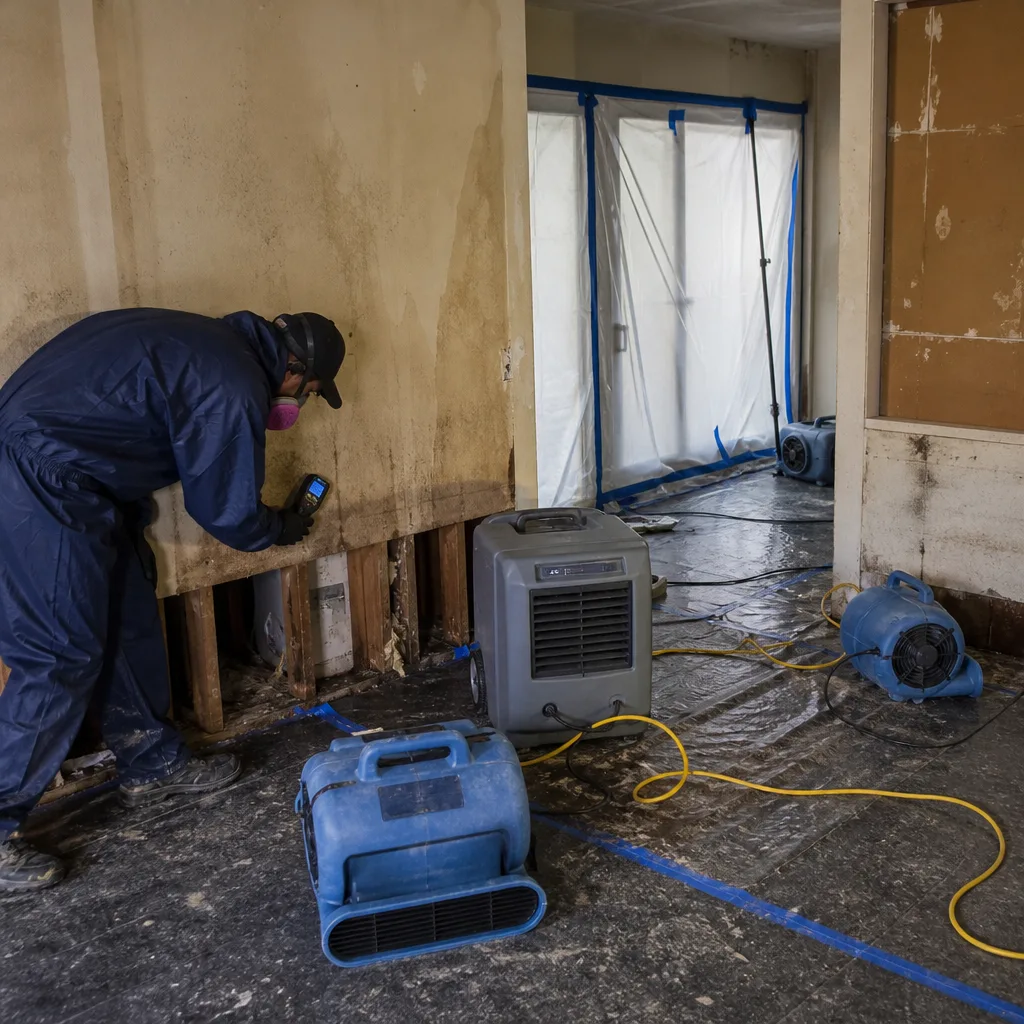 Before
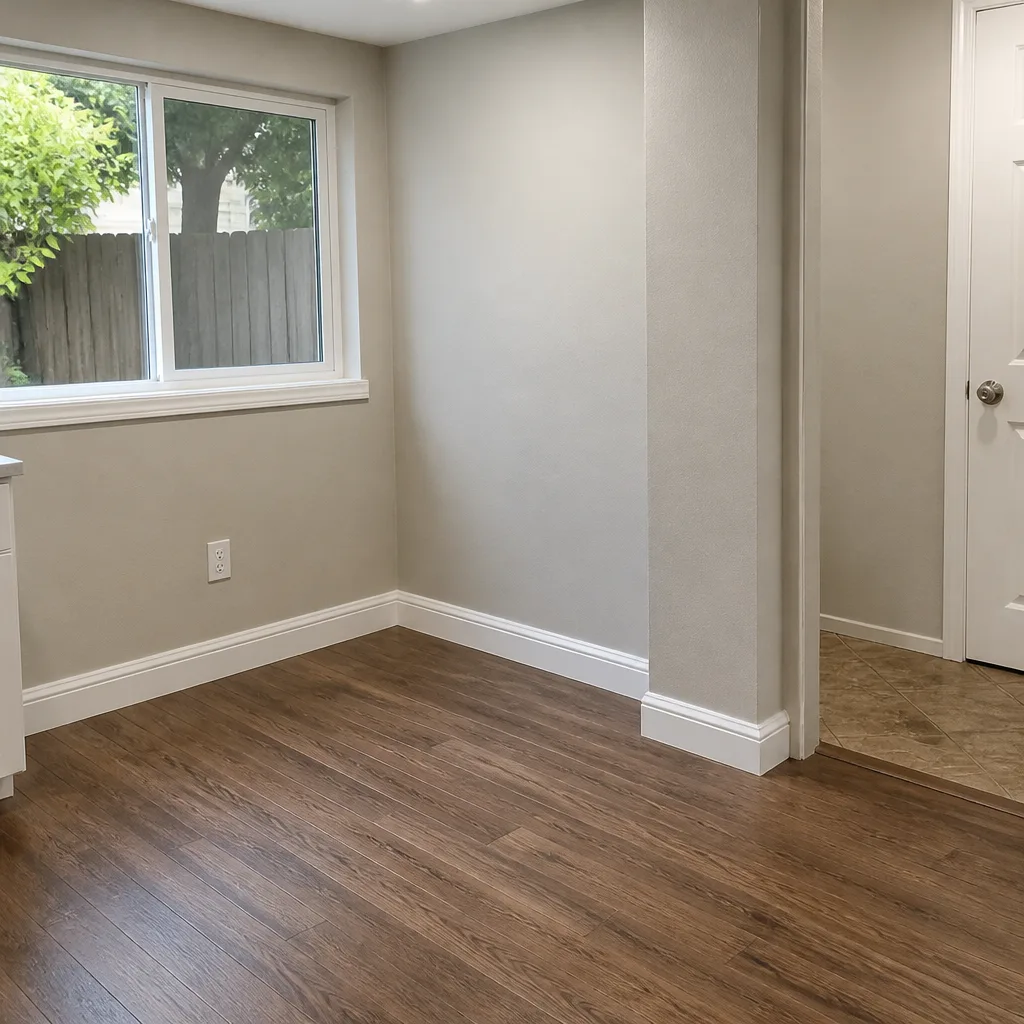 After
After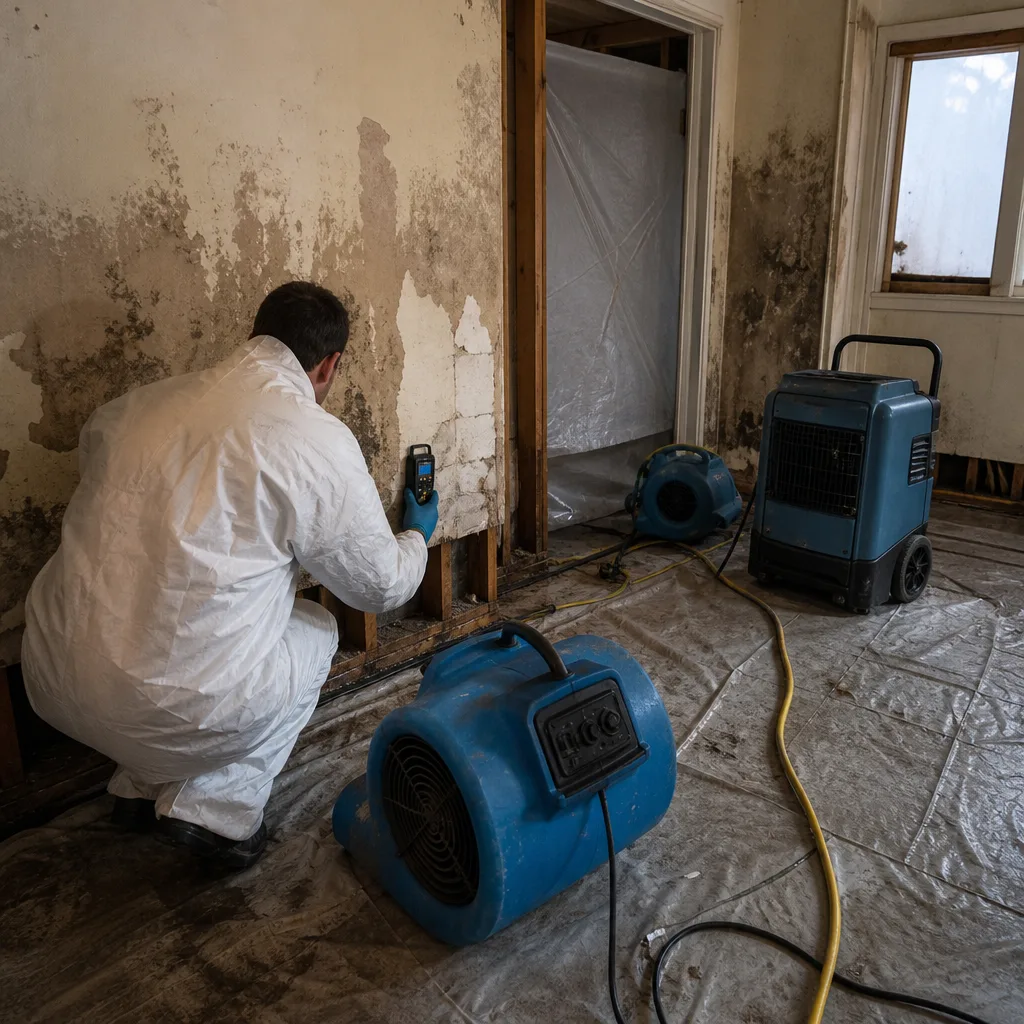 Before
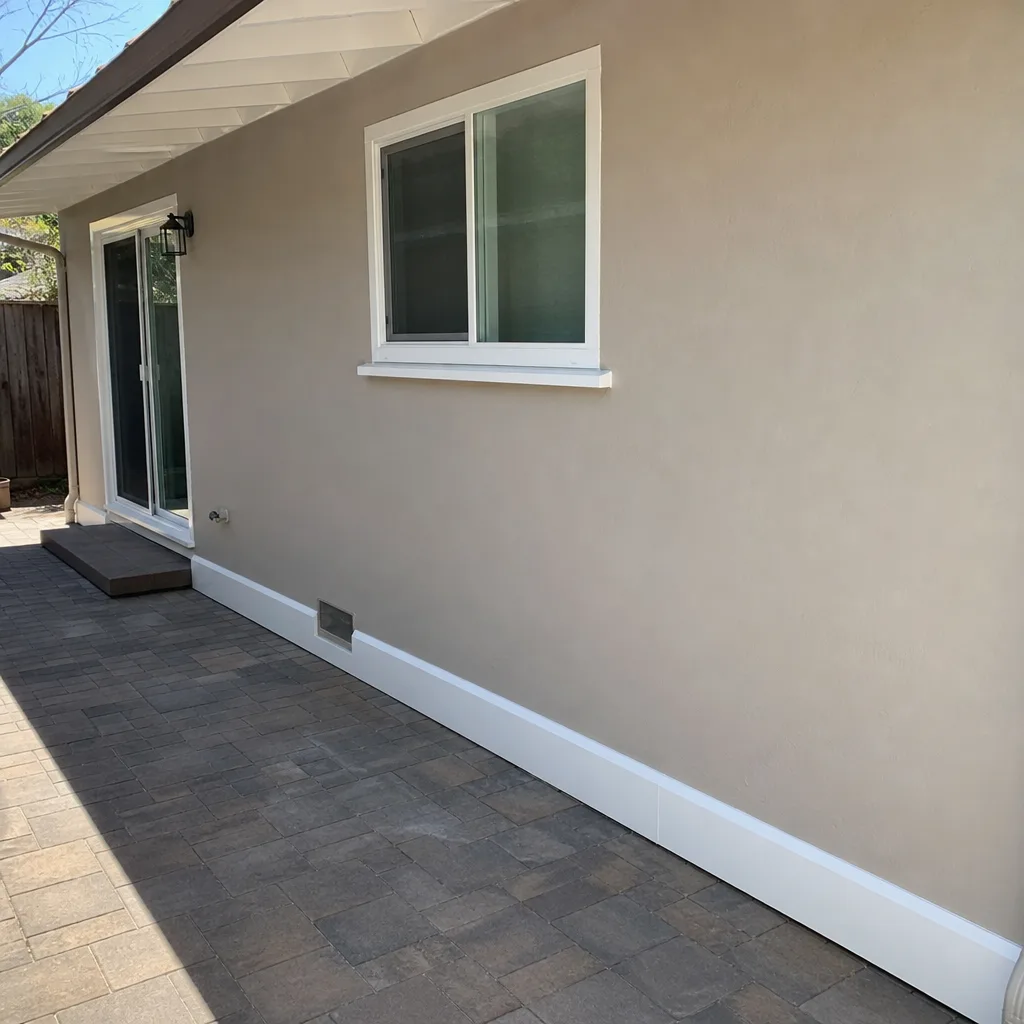 After
After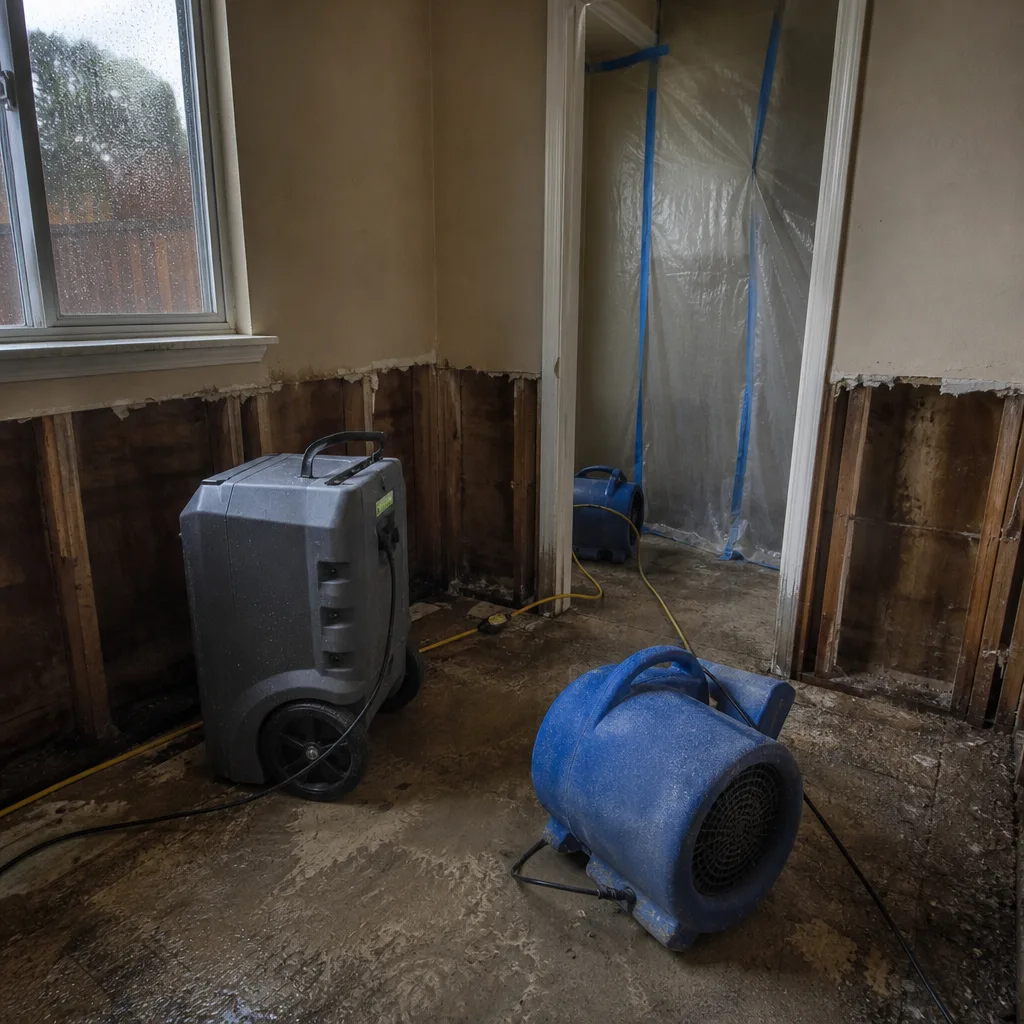 Before
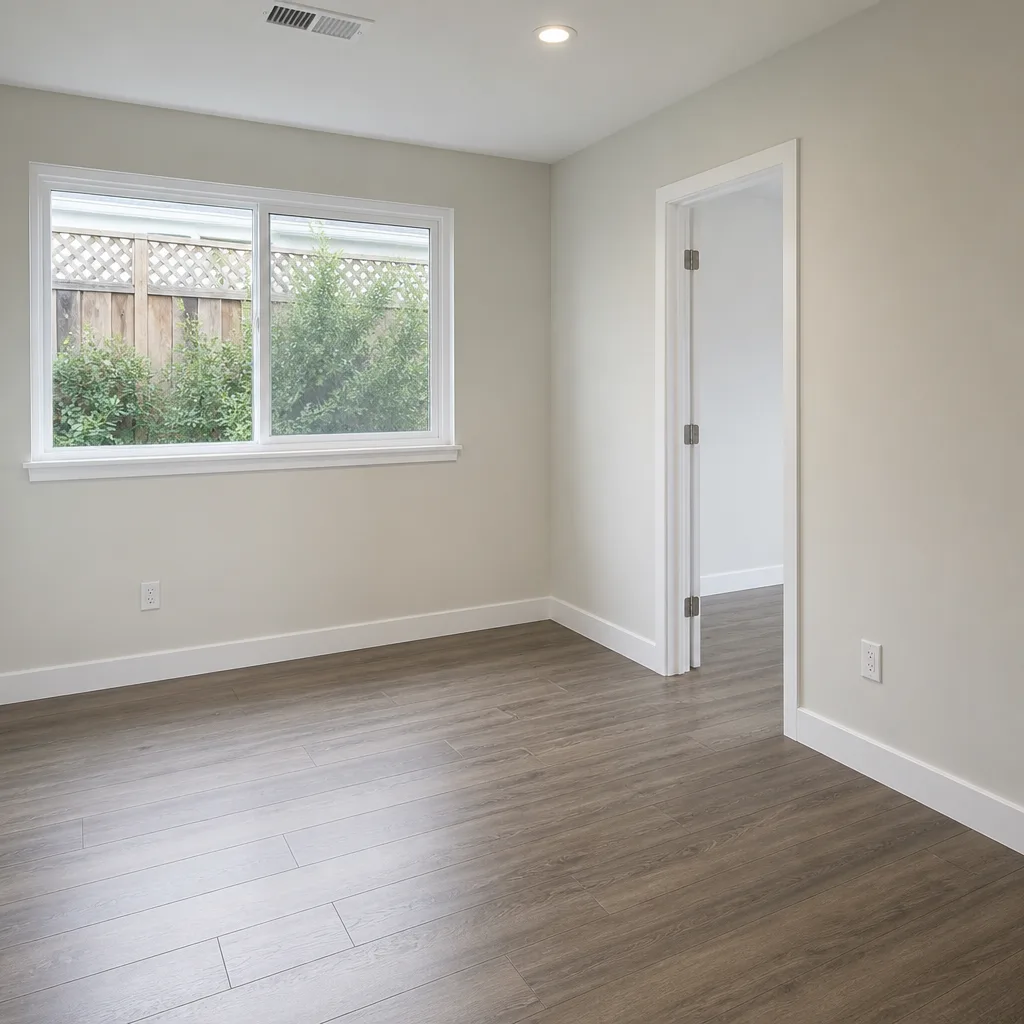 After
AfterFrequently Asked Questions
Most residential restoration jobs in San Jose take 5 to 14 days from first call to final walkthrough. Mitigation runs 1 to 3 days, structural drying runs 2 to 7 days depending on winter humidity levels, and rebuild runs 3 to 10 days depending on scope. Your written scope from Dryden Restoration San Jose will include a specific timeline before work begins. Call (669) 770-7417 for a free estimate.
Most homeowner policies cover sudden and accidental damage from burst pipes, appliance failures, and fire, but exclude gradual damage from long-running leaks. We coordinate directly with your adjuster and provide photo-documented assessments for every claim. The owner, Carl Brandt, has guided San Jose homeowners through insurance restoration since 2005.
Structural drying is not optional in San Jose’s climate. Wet framing hidden behind drywall will grow mold within weeks, and replacing the visible surface without drying the cavity behind it is the most expensive mistake a homeowner can make. Proper drying costs hundreds. Remediating the mold that follows costs thousands.
A live person answers every call at Dryden Restoration San Jose 24 hours a day, 7 days a week, and same-day response is standard for active water and fire damage in San Jose. We do not use call-back queues or after-hours recordings. When you call (669) 770-7417, you speak to a person who can schedule a technician.
The 365-Day Done Right Promise is a written guarantee on every repair Dryden Restoration San Jose completes. If a covered repair fails within one full year, we return and correct it at no charge. The promise is documented on every job, not verbal, and it’s part of The Kingswell Guarantee: a written price before work begins, a committed arrival window, a clean job site, and a written guarantee.
We do. Dryden Restoration San Jose communicates directly with your adjuster, provides the photo documentation and moisture readings the adjuster needs, and advocates for a scope that actually restores your home rather than just patching the visible damage. You should never have to translate between your restoration company and your insurance carrier.
The Bottom Line
Damage restoration in San Jose is a three-phase process, and understanding how mitigation, structural drying, and rebuild connect is your best protection against surprise invoices and unnecessary delays. Demand a written scope with line items and a drying timeline before any tool is touched. Watch for unlicensed crews and assignment-of-benefits pressure, especially after storms. And remember that San Jose’s clay soil and winter humidity create failure points that generic advice doesn’t cover. Dryden Restoration San Jose has served this market since 2005 with a written price before work starts and a written guarantee on every repair. Call (669) 770-7417 for a free estimate, and you’ll speak with a live person who can answer your specific questions.
Written by Carl Brandt, Owner at Dryden Restoration San Jose, serving San Jose since 2005.