

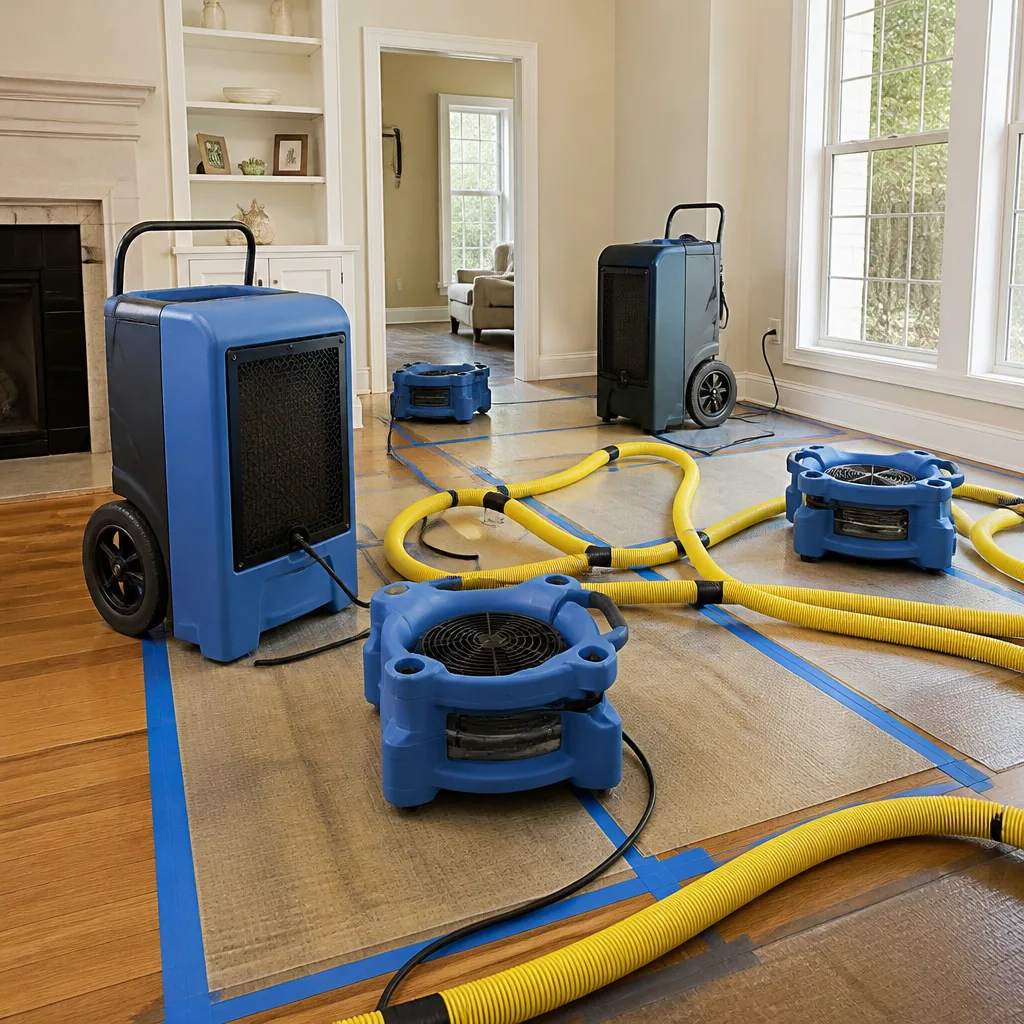
 Water damage drying
 Fire & smoke cleanup
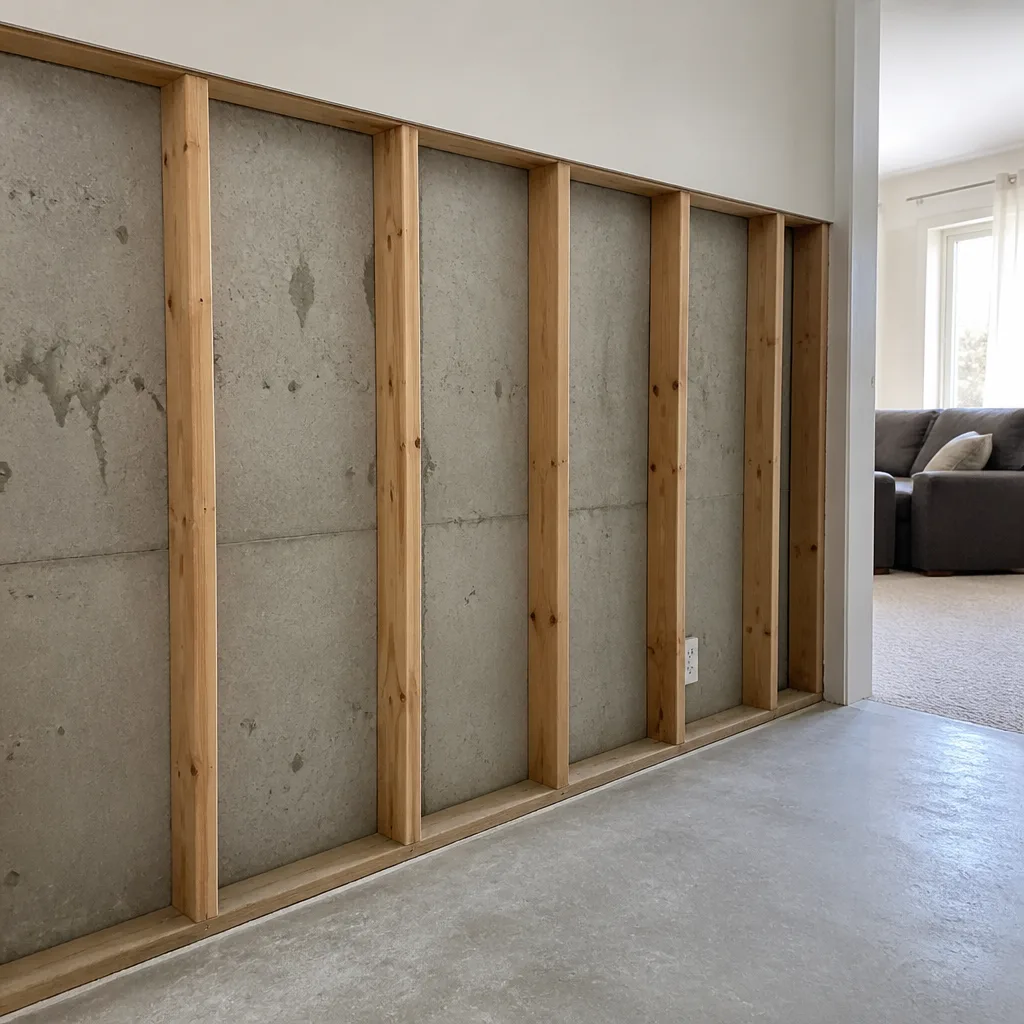 Mold remediation
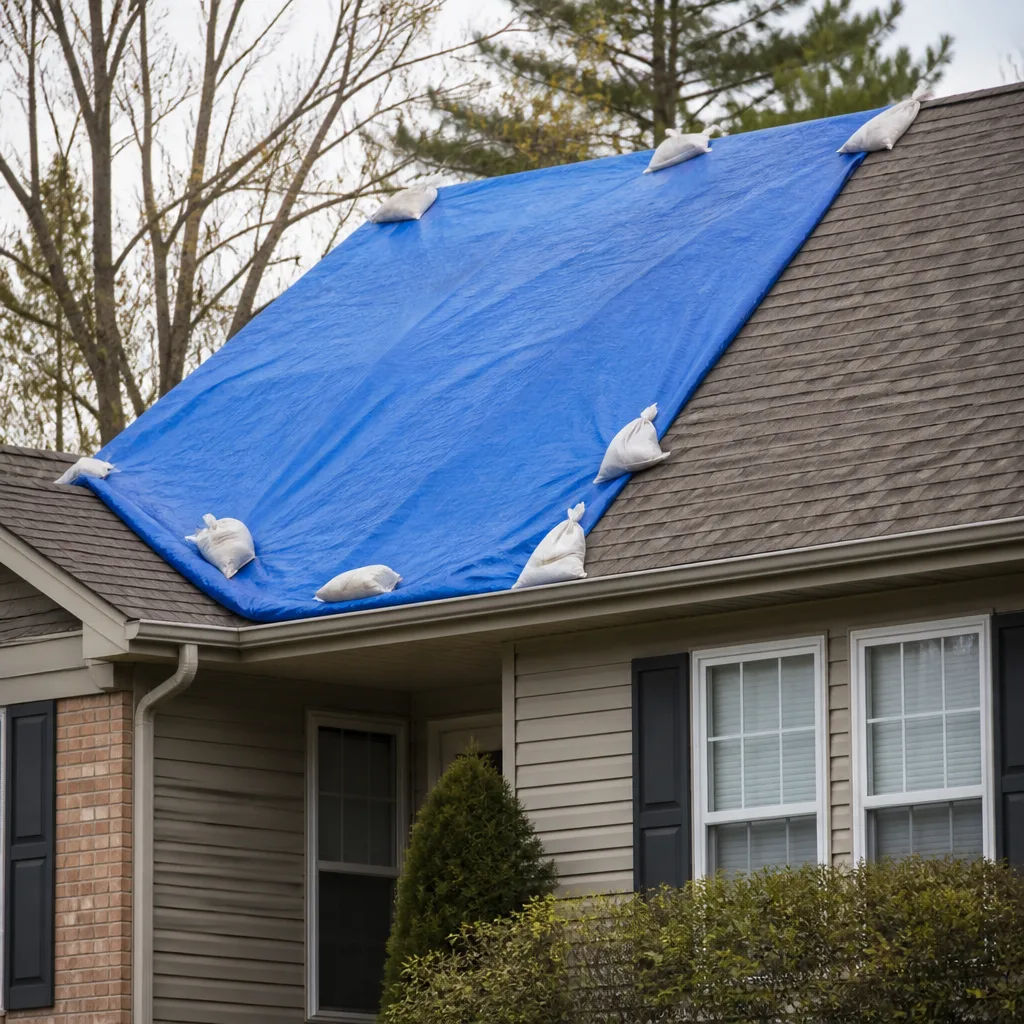 Storm response
 Sewage cleanup
 Reconstruction
Free visual inspection and a written scope of work before any mitigation begins - photos, moisture readings, and drying logs go in your claim file
The scope we write is the scope we bill. Anything new gets shown to you, in writing, before we touch it.
Get your free estimateFast, Reliable Water Damage Restoration Across Stanford
Water damage restoration in Stanford usually costs between $1,800 and $6,500 depending on how far the water traveled and what it soaked into. Most jobs in campus-adjacent neighborhoods take 3 to 7 days from first extraction to final moisture check. If you’re standing in a wet hallway right now, call (669) 770-7417 and a live person answers, day or night. We dispatch crews to Stanford within 60 to 90 minutes because we know how fast plaster wicks water and how unforgiving old framing can be once it starts drying unevenly.
Why Dryden Restoration San Jose Is Stanford’s Preferred Water Damage Restoration Company
Our Water Damage Restoration team has spent years working inside Stanford’s older homes, the ones with plaster over wood lath, galvanized supply lines, and single-pane sashes that swell shut after a leak. Carl Brandt, who leads our crews, keeps a working knowledge of Santa Clara County’s historic review process because so many Stanford jobs touch preservation-sensitive materials. We show up in uniform, we’re background-checked, and we put the price in writing before a tool is touched. Stanford homeowners tell us the same thing: the no-show contractor and the door-price change are what made them wary in the first place. We don’t do either.
Restoration work we handle
Flood Damage Restoration in Stanford
Flood Damage Restoration in Stanford often means Category 1 water from a broken supply line or Category 2 water from a corroded galvanized pipe that’s been leaching rust into the flow for decades. The job involves extraction, containment, antimicrobial treatment where the water category calls for it, and structural drying with equipment that we monitor daily. On Salvatierra Street and throughout College Terrace, we’ve seen floods from pinhole leaks in 1920s-era pipes spread under oak flooring and into raised foundations before anyone notices a damp spot on the wall. A typical Stanford flood cleanup runs $2,800 to $7,200 when it involves plaster walls, original flooring, and crawlspace drying. The sooner extraction starts, the less plaster has to come out.
Burst Supply Lines and Pinhole Leaks
Older galvanized pipes fail differently than modern PEX or copper. They rust from the inside out, so a leak can start as a weeping pinhole and turn into a full rupture within hours. We’ve responded to 1910 Craftsman homes in Professorville where a supply line let go at 2 a.m. and soaked three rooms before sunrise.
Seasonal Storm Intrusion
Stanford’s Mediterranean climate means dry summers followed by intense winter rain. Low-slope and flat roofs on mid-century homes near College Terrace and Professorville take on standing water, and the first heavy storm of the season is when we get most roof-leak calls. Gutters that worked fine in September can’t keep up in December, and water finds the path of least resistance into ceilings and wall cavities.
Water Damage Cleanup in Stanford
Water Damage Cleanup in Stanford is the part of the job homeowners hope they never need a second time. Cleanup means removing wet drywall and insulation where necessary, treating surfaces that can be saved, drying the structure to pre-loss moisture levels, and documenting every step so your insurance claim has clean paperwork. In Stanford’s older homes cleanup often intersects with preservation: we’re not ripping out original lath-and-plaster if we can dry it in place, and we’re not sanding down 1920s fir flooring that can be saved with controlled drying. Typical cleanup costs in Stanford run $1,800 to $5,400. You get a written price before we start, and that number doesn’t move at the door.
Plaster Drying Without Replacement
Brick-and-stucco homes from the 1920s and 1930s often have lime plaster keyed into wood lath. That plaster holds moisture differently than drywall, and if you over-dry it, the horsehair binder inside the lime can crack and crumble. We set drying targets for plaster that respect its material limits while still getting the wall to a dry standard.
Raised Foundation and Subfloor Drying
Most Stanford homes sit on raised foundations, which means water from a leak travels down into the crawlspace and wicks up through the subfloor. We use Phoenix and Dri-Eaz dehumidifiers with floor mat systems to pull moisture from tongue-and-groove oak without tearing it out. Injectidry systems push dry air through wall cavities and under flooring where conventional equipment can’t reach.
Trusted Brands We Service in Stanford
We run the same equipment brands you’d find on large commercial restoration jobs: Dri-Eaz dehumidifiers, XPOWER air movers, and Phoenix drying systems. That matters in Stanford because old construction needs precise control. A Dri-Eaz LGR dehumidifier pulls moisture at a measured rate instead of blasting hot, dry air that would warp original fir flooring. We stock common parts locally and can usually start a job the same day we assess it. Work is performed to IICRC, RIA, and IFA standards, which just means we follow the drying science and the ethics rules the restoration industry actually recognizes.
See the difference
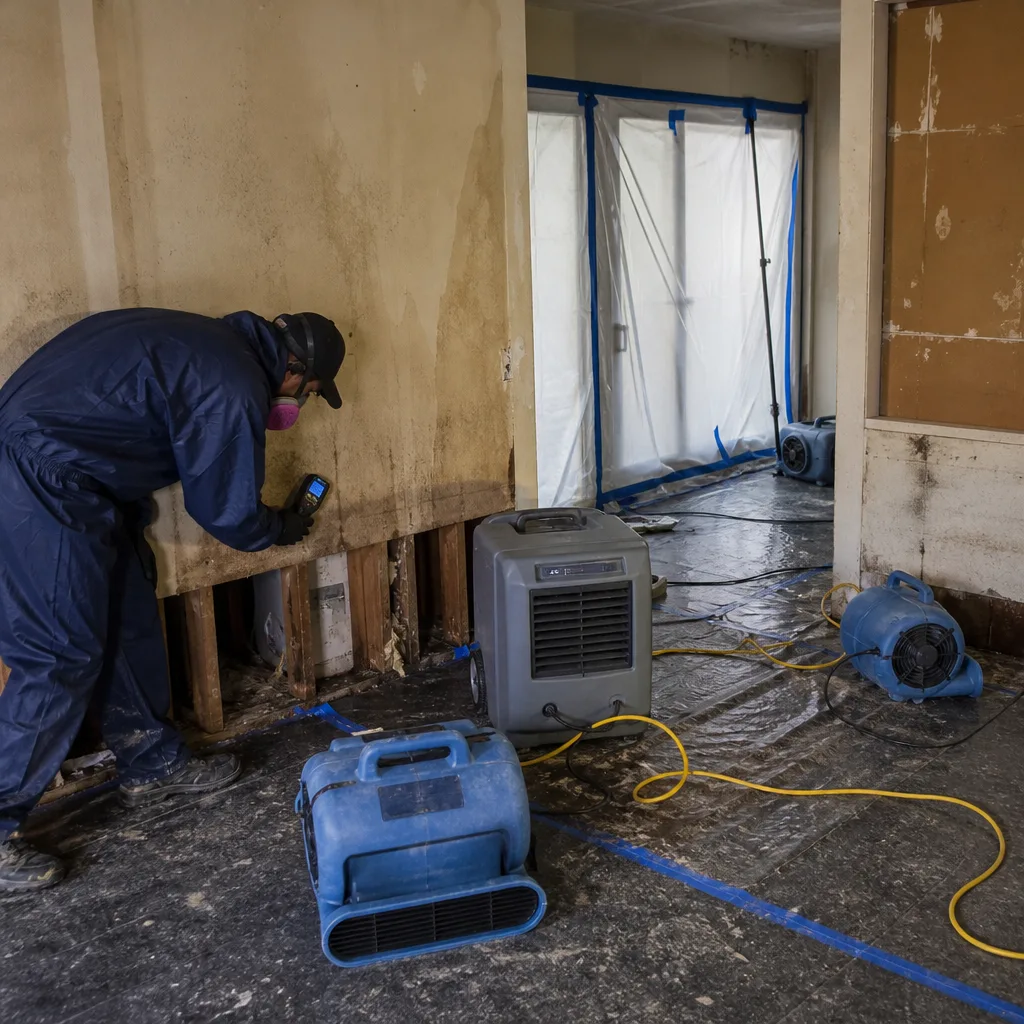 Before
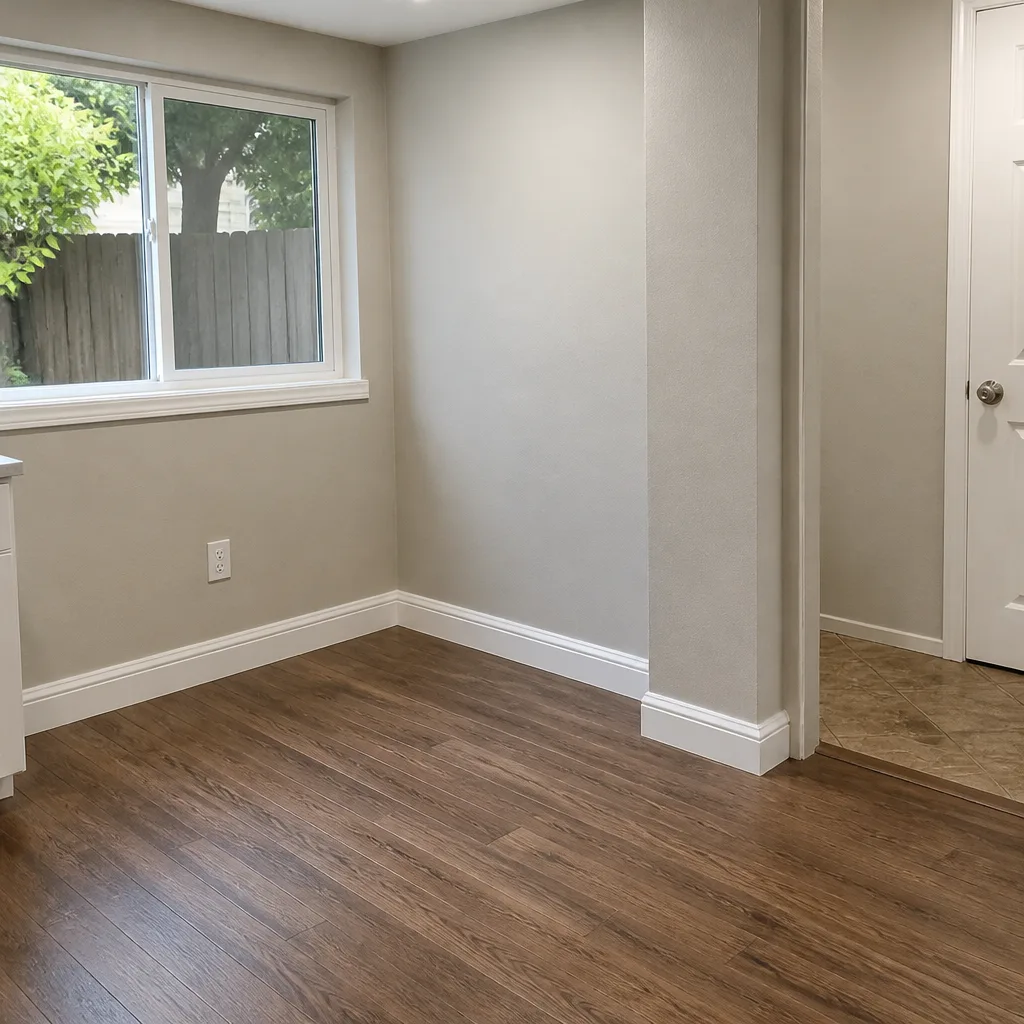 After
After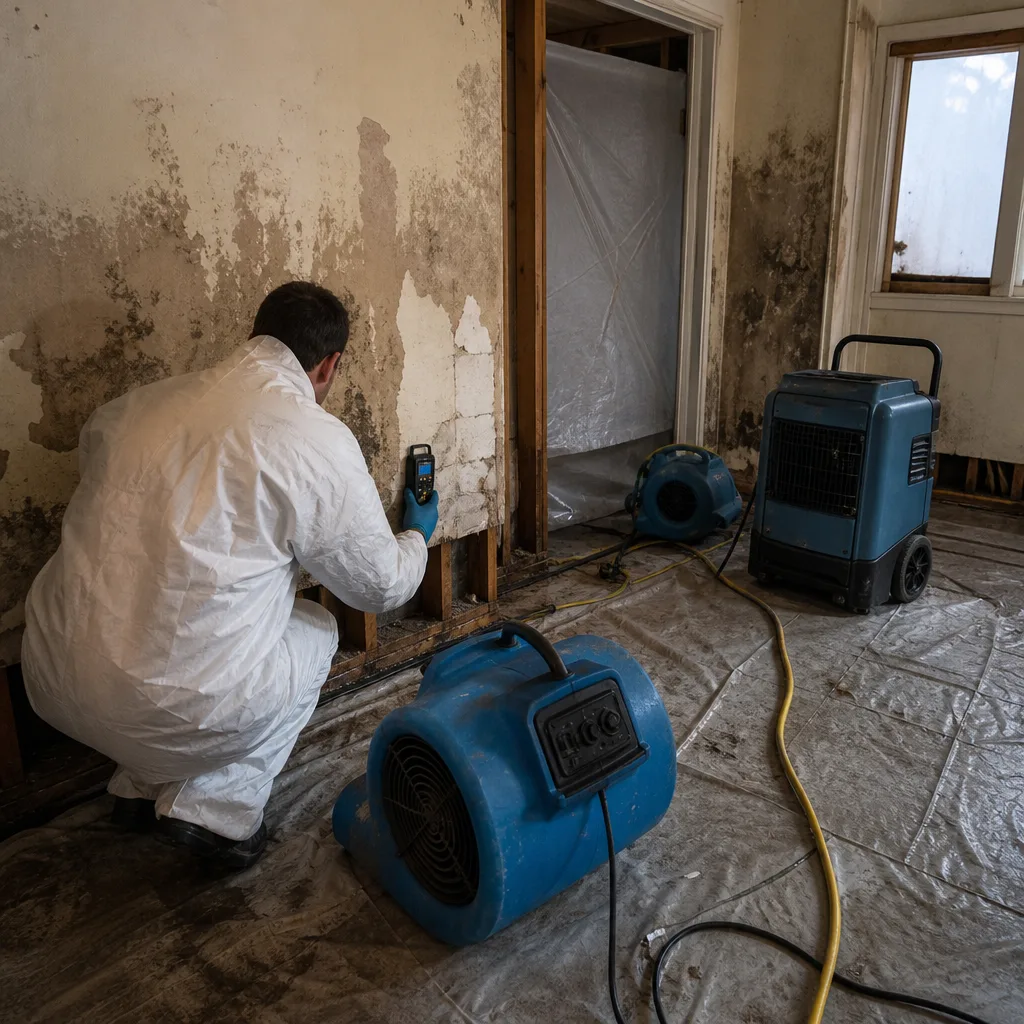 Before
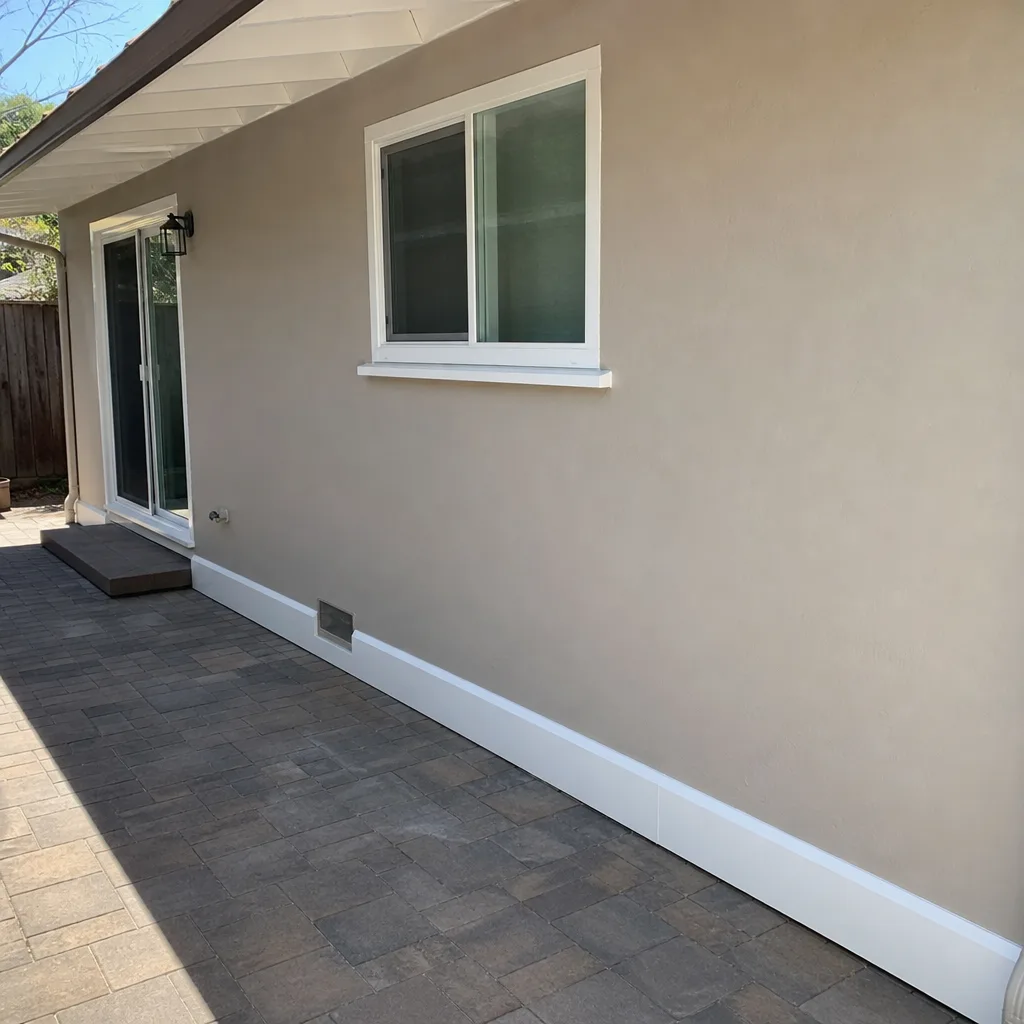 After
After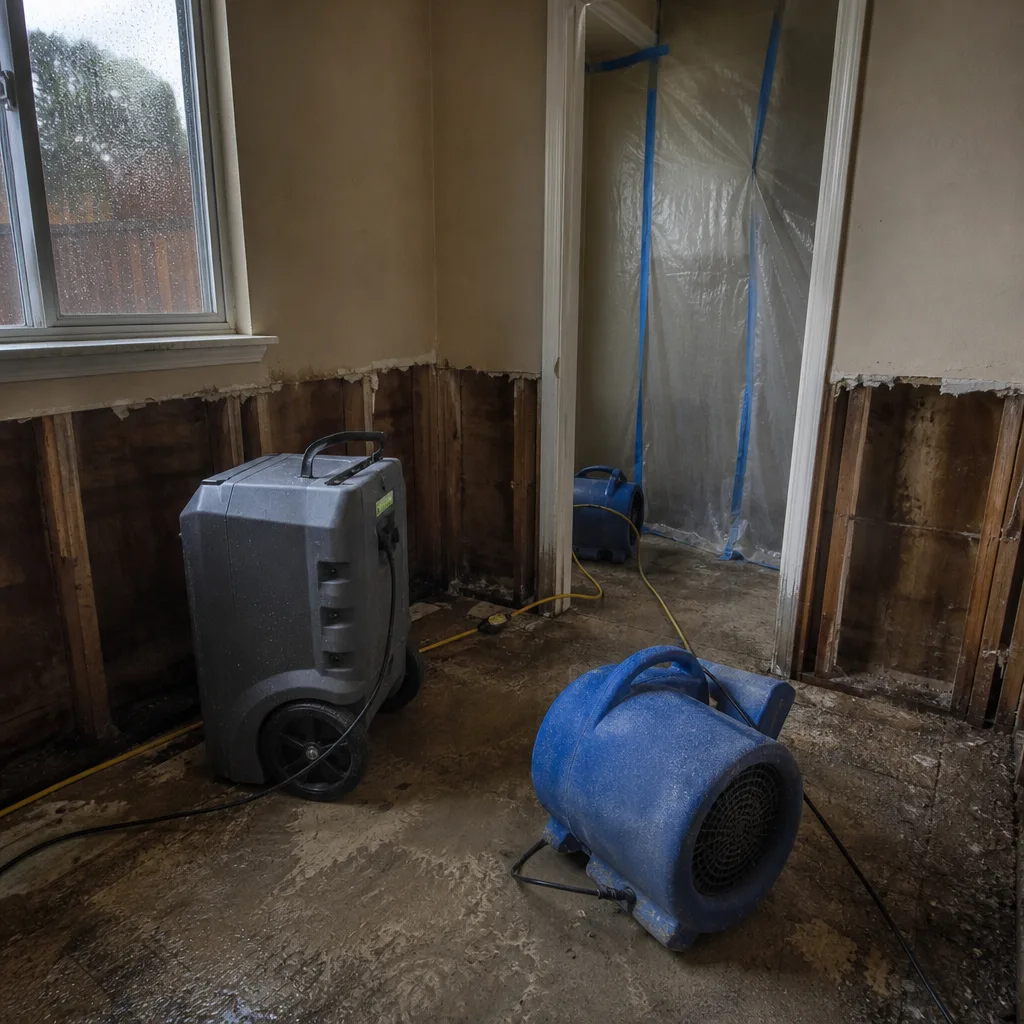 Before
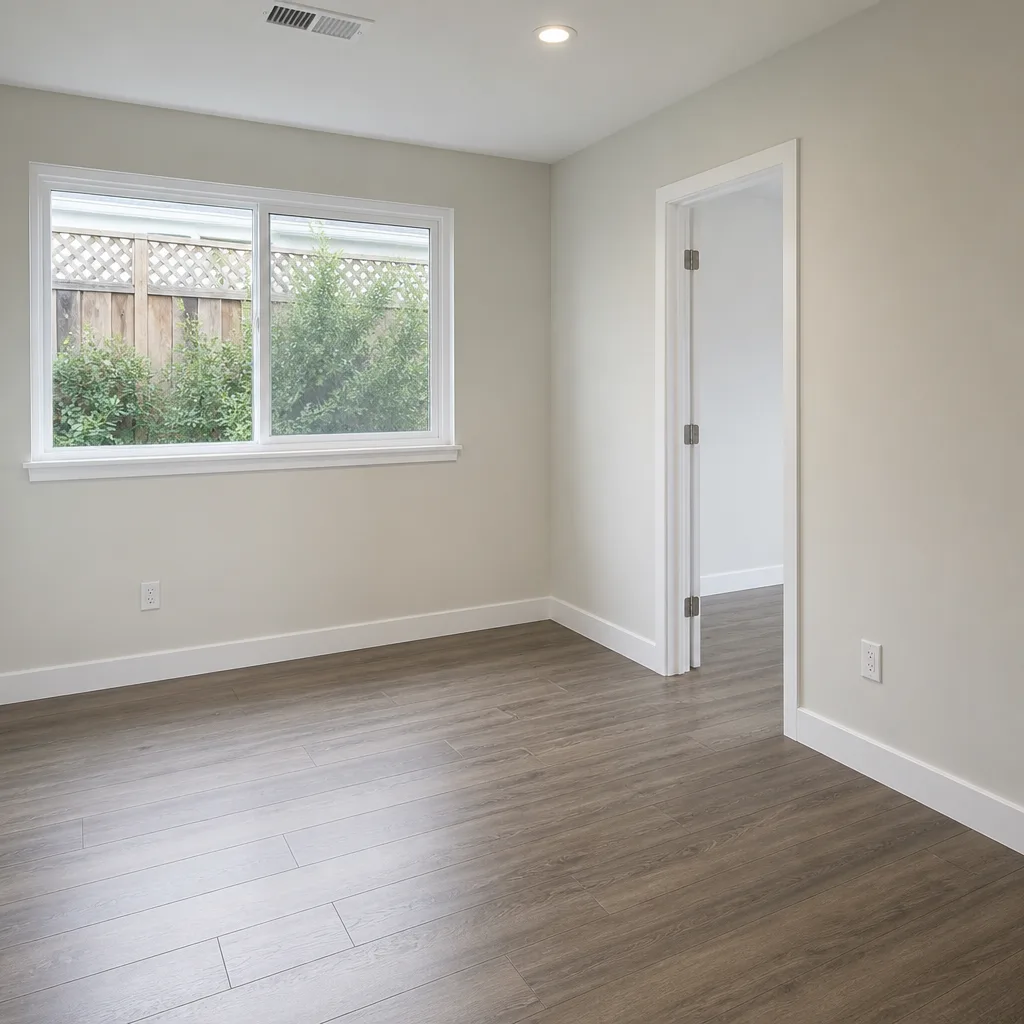 After
AfterCommon Water Damage Restoration Problems We See in Stanford Homes
- Galvanized pipe pinhole leaks after first heavy rain. In College Terrace, original galvanized pipes from the 1920s-1940s corrode from the inside, and the first sustained rain of fall expands the metal enough to open pinholes. Local crews anticipate this pattern every October.
- Plaster walls left too wet for too long. Waiting more than 24-48 hours on a saturated plaster wall lets mold colonize the organic horsehair binder in the lime, which can force full plaster removal under Santa Clara County historic review. Early extraction prevents most of this.
- Misjudged water category on old pipe leaks. Corrosion from galvanized pipes can make even a “clean” leak test as Category 2 grey water, which means antimicrobial treatment is required. Skipping that step leaves contamination behind baseboards you can’t see.
- Over-dried original wood windows and floors. Aggressive dehumidification without moisture mapping can shrink 1920s fir flooring and crack single-pane sashes. We map moisture readings daily and adjust drying targets to the materials present.
Pricing for Water Damage Restoration in Stanford, CA
Emergency water extraction in Stanford typically runs $850 to $2,100 for a single room. Full structural drying with daily monitoring adds $1,000 to $3,500 depending on the number of affected rooms and how long the water sat. If crawlspace drying is required, budget another $1,200 to $3,000. Flood cleanup with plaster preservation runs $2,800 to $7,200 on most Stanford jobs. What moves the price in Stanford specifically: whether original plaster can be saved or must be replaced under historic review, whether the leak is Category 1 or Category 2, and how far water traveled under raised floors. Every job starts with a free on-site assessment and a written scope and price before work begins. Call (669) 770-7417 to schedule one.
We Also Serve Cities Near Stanford
Our crews serve Stanford and the surrounding Peninsula communities including Palo Alto, Menlo Park, Sunnyvale, and Cupertino. If you’re in a neighboring city with an older home and water traveling through plaster or under oak floors, the same preservation-sensitive approach applies.
Serving Stanford, CA - Our Local Coverage Area
We’re based in the Stanford area and know this community well. Use the map below to see our service coverage - if you’re nearby, we can almost certainly help.
FAQs About Water Damage Restoration in Stanford
We can typically have a crew at your Professorville home within 60 to 90 minutes of your call, and extraction starts as soon as we arrive and confirm the water category. The first hour matters most in a craftsman with original plaster and fir floors, because the longer water sits, the more likely the horsehair binder in the plaster becomes a mold risk. Call (669) 770-7417 any time, day or night.
Most water extraction and drying work does not require a permit, but if structural materials like original lath-and-plaster must be removed in a designated historic district, Santa Clara County review may apply. We document the drying process and material condition so any replacement meets preservation requirements before demolition occurs.
Leaks from original galvanized pipes in College Terrace often test as Category 2 grey water because rust and internal corrosion introduce contaminants even when the source looks clean. That means antimicrobial treatment and surface disinfection are standard on those jobs, not optional. We test and document the category before drying begins.
In most cases, yes. We use floor mat systems with calibrated suction and Phoenix or Dri-Eaz dehumidifiers to pull moisture up through tongue-and-groove oak while preserving the wood. Tear-out is only necessary when the flooring has already delaminated or when structural framing beneath it is too saturated to dry in place.
Yes, every Stanford job includes daily moisture readings, equipment placement records, photos, and a final dry-standard report you can send directly to your adjuster. We coordinate with insurance carriers and provide photo documentation from first assessment through final walkthrough. Estimates are free, so call (669) 770-7417 and we’ll get the process started.
Written by Carl Brandt, Owner at Dryden Restoration San Jose, serving Stanford and the surrounding Peninsula since 2005.