

 Water damage drying
 Fire & smoke cleanup
 Mold remediation
 Storm response
 Sewage cleanup
 Reconstruction
Free visual inspection and a written scope of work before any mitigation begins - photos, moisture readings, and drying logs go in your claim file
The scope we write is the scope we bill. Anything new gets shown to you, in writing, before we touch it.
Get your free estimateFast, Reliable Fire Damage Restoration Across Stanford
After a fire in Stanford, the first 48 hours determine whether plaster walls survive or become a mold problem behind original lath. Fire damage restoration in Stanford means moving fast on soot and water from suppression, but moving carefully around the historic fabric that makes these homes worth saving. Our crews arrive in Stanford within 90 minutes of your call, often sooner for the campus-adjacent neighborhoods. We know the difference between a 1920s Spanish Colonial in Professorville and a mid-century ranch in College Terrace, and we treat them accordingly. Call (669) 770-7417 any hour, day or night. A live person answers.
Why Dryden Restoration San Jose Is Stanford’s Preferred Fire Damage Restoration Company
Stanford homeowners have a specific fear that larger restoration companies don’t address: a crew that treats a historic home like a generic structure. We’re an independently owned and operated Kingswell company, founded in 2005, and our technicians are background-checked and uniformed before they ever step onto Sand Hill Road or Junipero Serra Boulevard. The work follows IICRC, RIA, and IFA standards, and we put every price in writing before a single tool comes off the truck. Carl Brandt, who leads our team, has drilled one rule into every job: protect the plaster before you remove the soot. That’s the Fire Damage Restoration approach Stanford homes need.
We serve Stanford directly from our San Francisco Bay Area dispatch office, with crews stationed close enough to reach the campus area without a highway delay. When you call at 2 a.m. after a stovetop fire, you get a named arrival window, not a vague promise. The Kingswell Guarantee applies to every job: a written price before work begins, a committed arrival window, a clean site, and a written 365-Day Done Right Promise. If a covered repair fails within a year, we return and correct it at no charge.
Restoration work we handle
Fire Damage Cleanup in Stanford
Fire Damage Cleanup in Stanford starts with containment, because soot travels fast through old homes with connected rooms and original wood windows. We seal off unaffected areas with plastic sheeting and negative air pressure before we touch the damaged zone. Then we remove charred debris, clean salvageable surfaces with the right chemical sponges and HEPA vacuums, and evaluate which materials can be saved. In a 1940s College Terrace bungalow, a kitchen fire can leave soot on plaster walls, wood trim, and the gaps around original casement windows. Cleanup for a contained kitchen fire in Stanford typically runs $1,800 to $4,500. A larger fire involving multiple rooms runs $6,000 to $14,000.
Soot Removal and Surface Assessment
Soot is acidic. Left on plaster, wood, or metal for more than a few days, it etches surfaces and leaves permanent staining. We evaluate every surface before cleaning, because original Stanford plaster from the 1920s and 1930s is often lime-based and more delicate than modern drywall. The wrong pressure or chemical can destroy a wall that has stood for 90 years.
Content Cleaning and Pack-Out Decisions
Not every fire requires a full pack-out. In a small Craftsman in Stanford, we often clean contents in place using ultrasonic machines for hardware and HEPA vacuuming for textiles. When a pack-out is necessary, we photograph and inventory everything before it moves. That photo log becomes the basis for your insurance claim and, where needed, historic preservation documentation.
Smoke Odor Removal in Stanford
Smoke Odor Removal in Stanford is a science, not a spray job. When smoke penetrates original plaster walls, the odor molecules embed in the porous lime and lath. Masking agents fail within days. We use thermal fogging to force odor-neutralizing compounds into the same pores the smoke entered, then seal the surface. We also run hydroxyl generators and ozone machines where appropriate. For a single-room kitchen fire in a Stanford home, smoke odor removal typically runs $1,200 to $3,800. Whole-house odor remediation after a larger fire runs $5,000 to $12,000, depending on square footage and wall construction.
Plaster Wall Odor Treatment
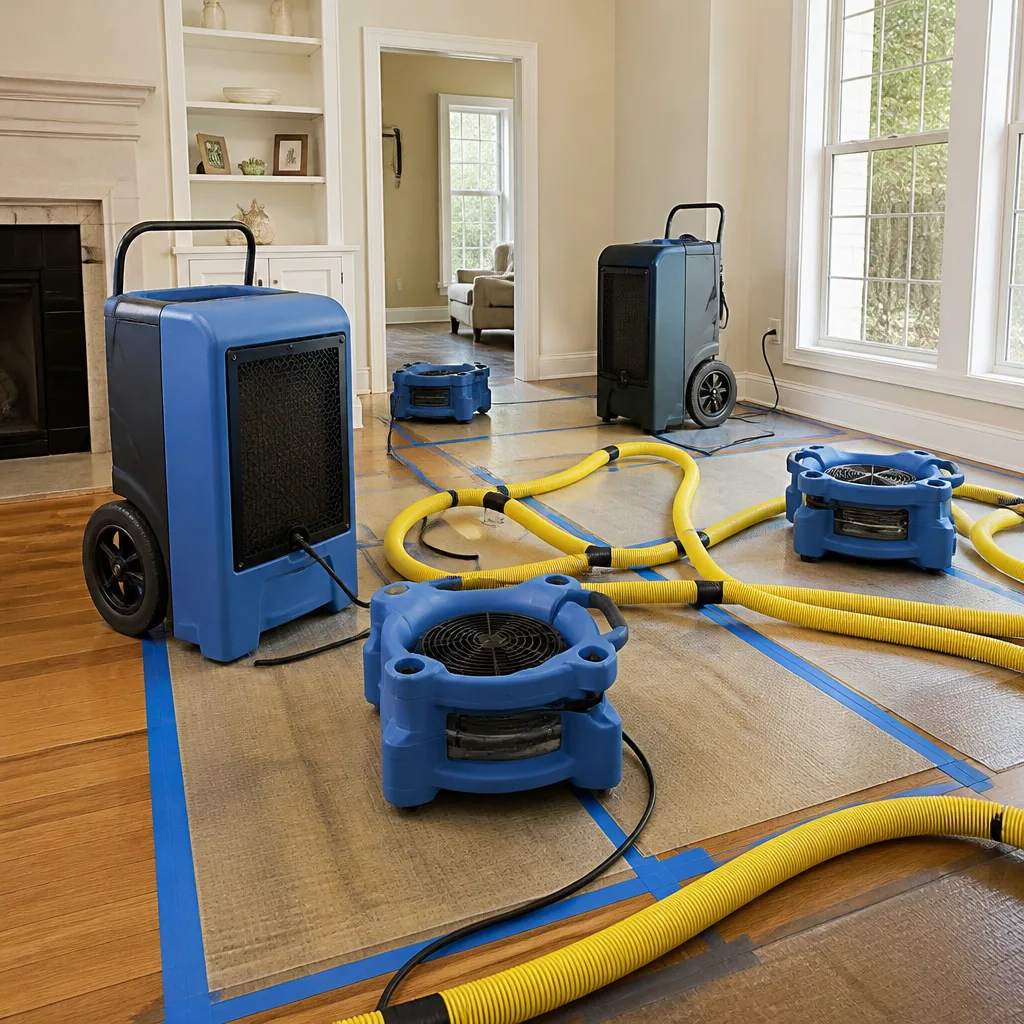
Drywall can be replaced. Original Stanford plaster cannot. Our process for plaster walls involves controlled moisture mapping first, because water from firefighting also penetrates the same pores. The Dri-Eaz dehumidifiers we use pull moisture out gradually, and the XPOWER air scrubbers capture airborne particles that carry odor. Then thermal fogging drives the neutralizing agent deep into the plaster. The alternative, ripping out plaster to chase the smell, costs more than the fogging and destroys the historic surface.
HVAC and Duct Odor
Smoke travels through old forced-air systems and settles in ductwork. In Stanford homes with original returns and registers, we inspect the full duct path before declaring odor removal complete. If the ducts hold soot, running the system after a fire recirculates contaminated air. We clean or seal duct interiors as part of the odor scope, and the price for that is included in the written estimate before work starts.
Trusted Brands We Service in Stanford
Stanford homeowners with forced-air systems, tankless water heaters, and modern appliances run into brand-specific damage patterns. We service kitchens with Bosch, Thermador, Wolf, and Viking ranges, and we know how burned control boards and wiring harnesses in those units affect the walls and cabinets around them. We keep common gaskets, valves, and safety sensors stocked in local supply points so Stanford customers aren’t waiting on a warehouse shipment. Our equipment fleet includes Dri-Eaz and Phoenix drying systems, the same professional-grade machines used in commercial restoration. We also work to RIA and IFA standards, which means our drying protocols and documentation meet the benchmarks insurance adjusters expect. No matter the brand of appliance that failed or the age of the home that burned, the restoration path is the same: assess, contain, clean, dry, and verify with moisture meters until the numbers prove the job is done.
See the difference
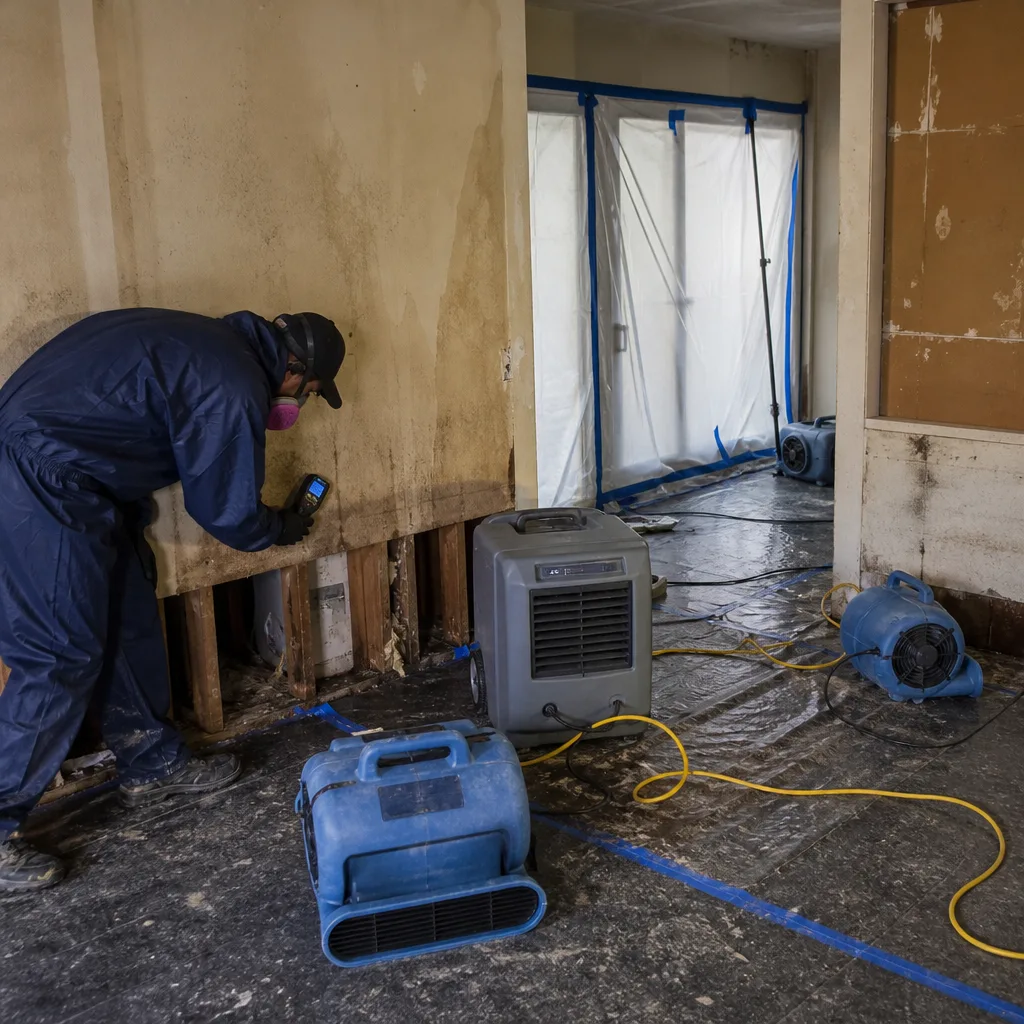 Before
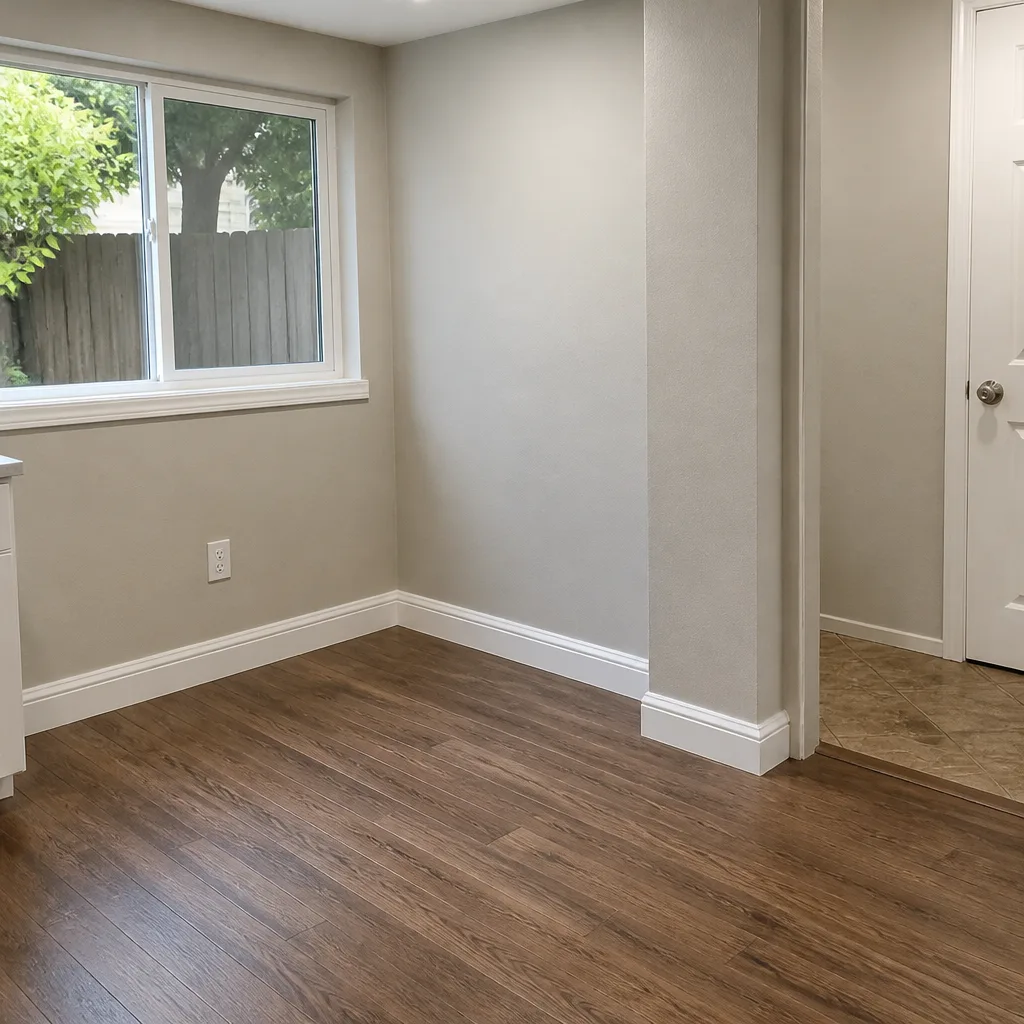 After
After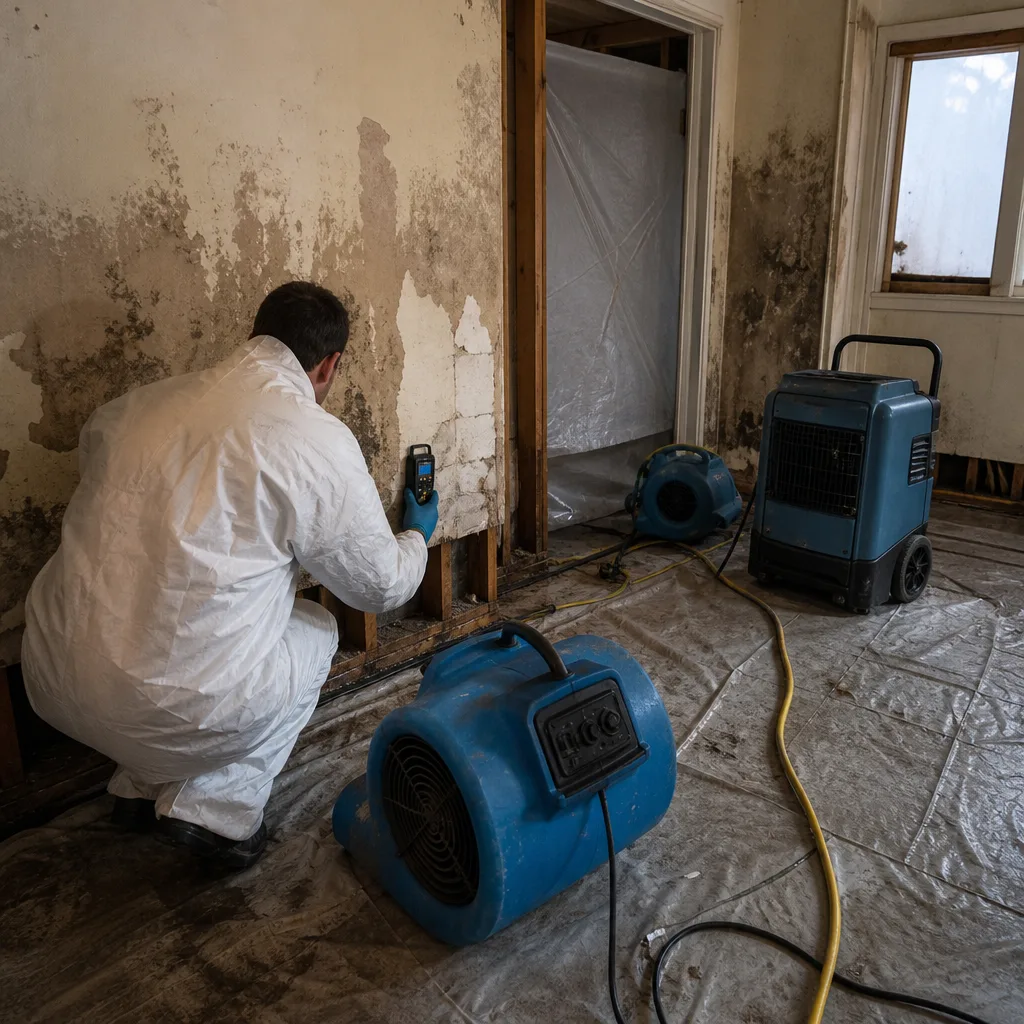 Before
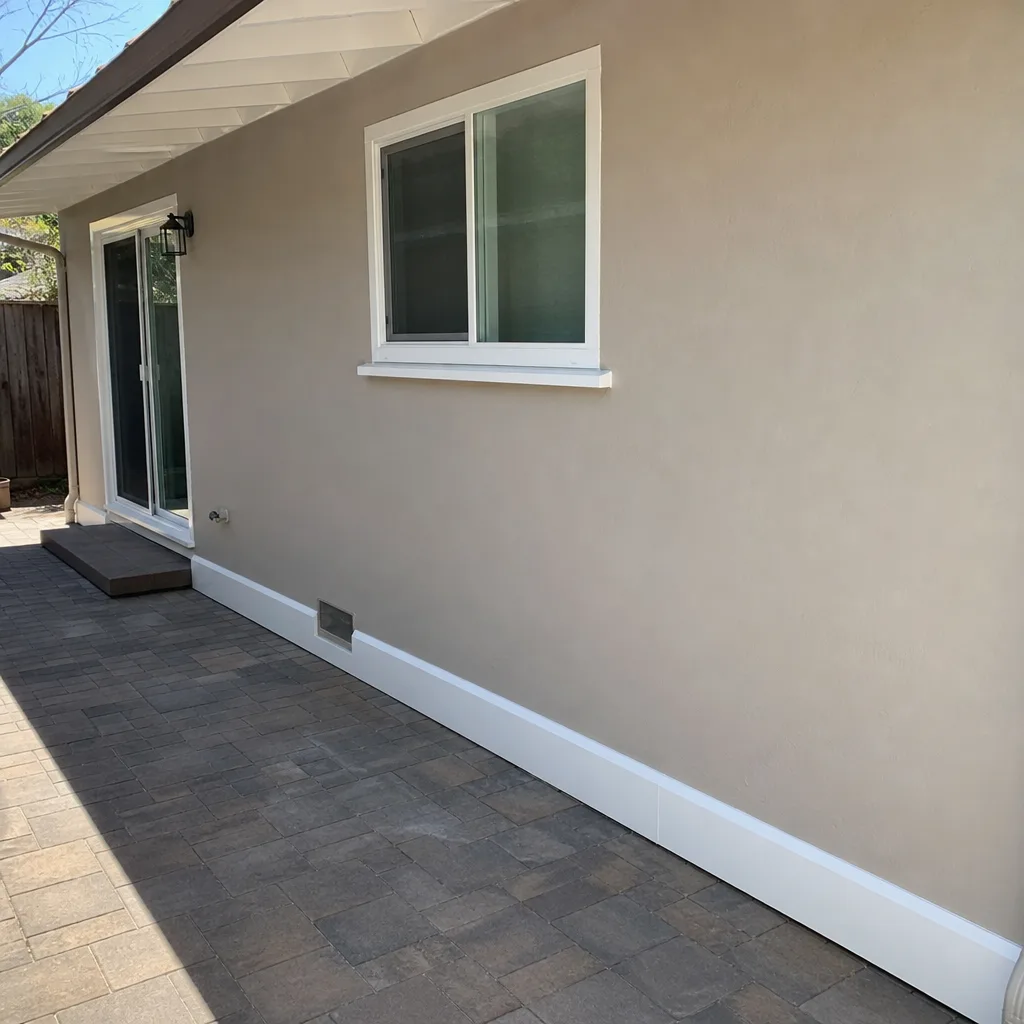 After
After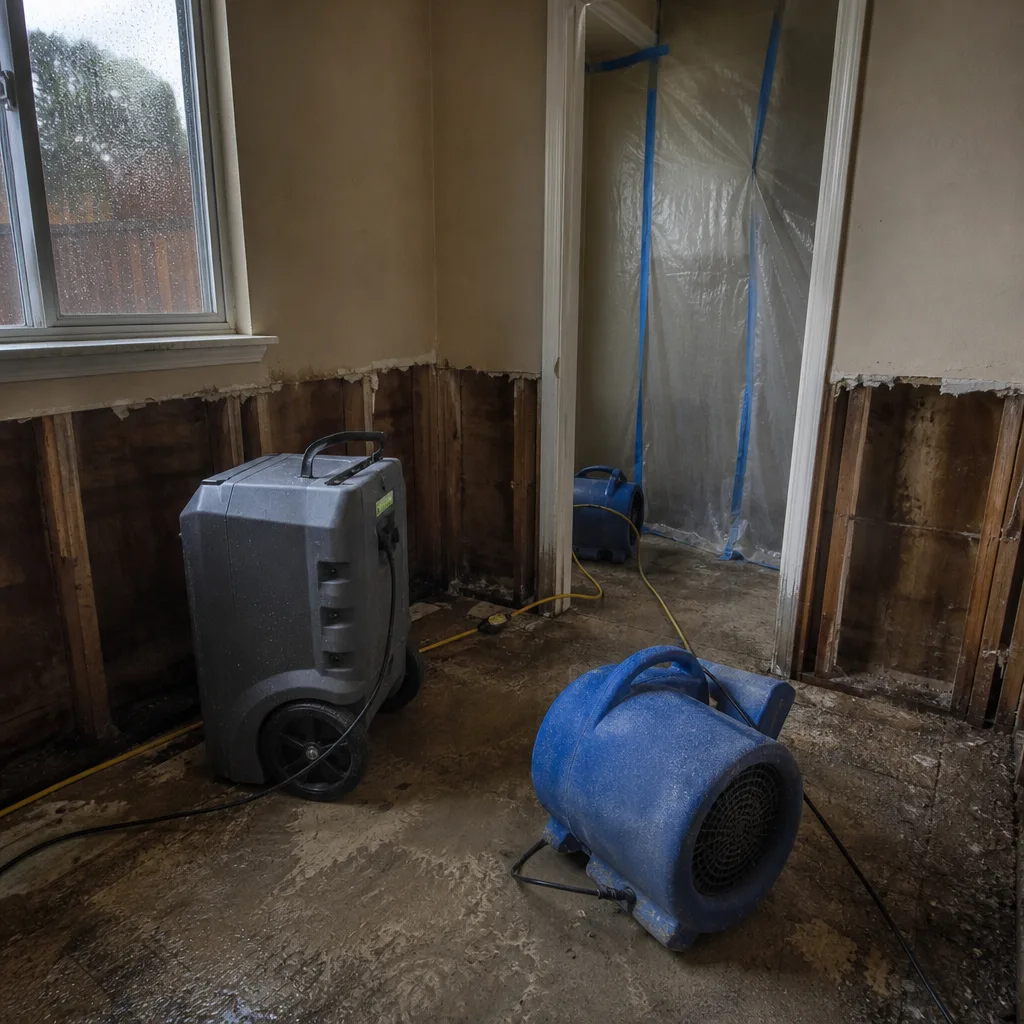 Before
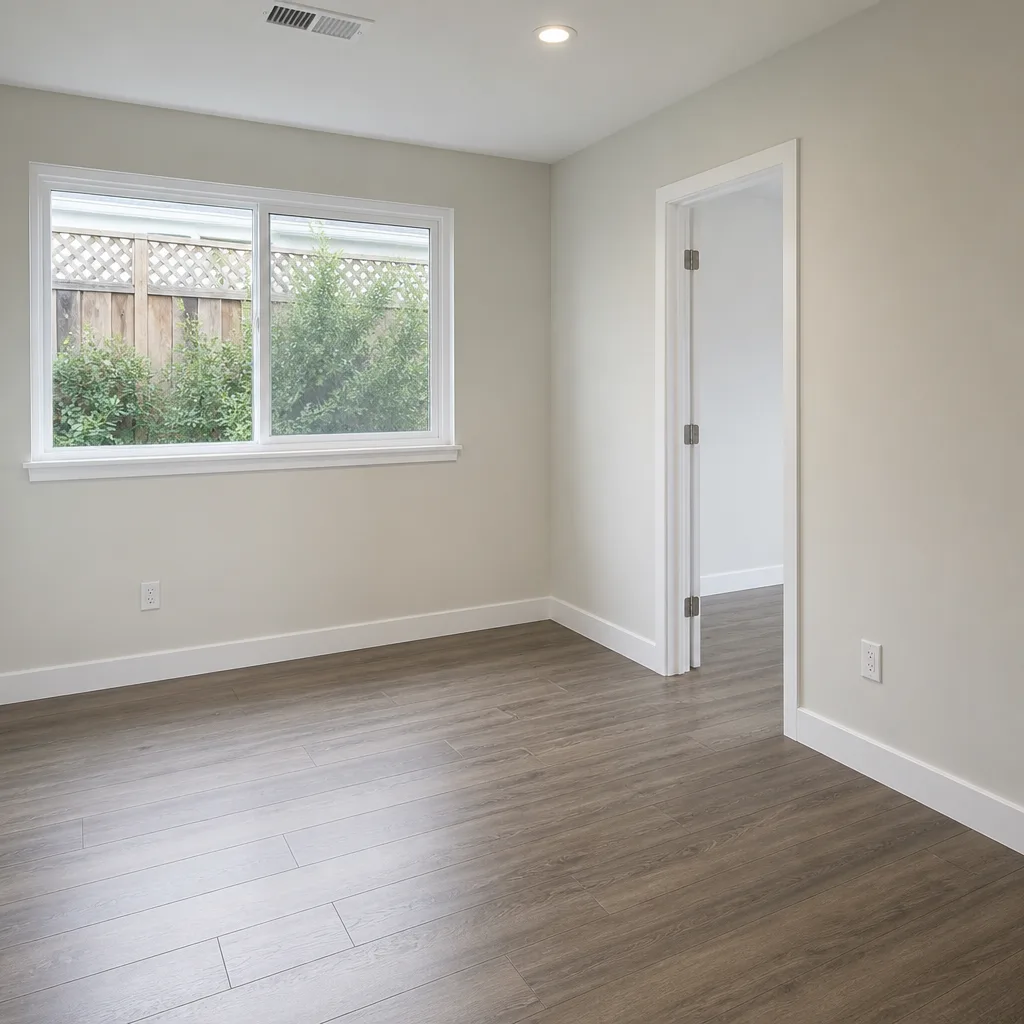 After
AfterCommon Fire Damage Restoration Problems We See in Stanford Homes
- Hidden moisture pockets in plaster walls. Fire suppression water soaks original plaster and lath. Without moisture mapping and structural drying protocols, mold develops behind the plaster weeks later. We find and dry these pockets before they become a second loss.
- Warped original wood windows from aggressive dehumidification. Pulling moisture too fast causes wood to shrink and crack. In Stanford’s historic districts, those windows are protected features. We use gradual moisture reduction to bring readings back to pre-loss condition without stressing the wood.
- Soot streaking on plaster above register bases and old crown molding. Smoke follows thermal plumes, and Stanford’s taller ceilings in older homes create vertical soot patterns. Cleaning requires special attention to preserve the profile of original molding without wetting the plaster underneath.
- Delayed permits and invasive demolition by crews unfamiliar with historic rules. Contractors who don’t know Stanford’s regulatory environment start demo work that requires review. We sequence the work so that preservation-sensitive steps happen first, and we document everything for the Santa Clara County Historical Heritage Commission guidelines.
Pricing for Fire Damage Restoration in Stanford, CA
Fire damage restoration in Stanford follows real ranges, and we give you a written price before work starts. A contained kitchen fire with soot cleanup and odor removal on one floor runs $4,000 to $9,500. A two-room fire with structural repairs to plaster and framing runs $12,000 to $30,000. A whole-home fire requiring full pack-out, structural drying, and rebuild runs $45,000 to $120,000 in Stanford, where preservation-sensitive work adds a layer of care and cost. What moves the number: square footage, wall material, the amount of water from firefighting, and whether historic features require special handling. The estimate is free. Call (669) 770-7417 and we’ll give you a real range before you commit to anything.
We Also Serve Cities Near Stanford
Our crews cover the mid-Peninsula beyond Stanford, including Palo Alto, Menlo Park, Sunnyvale, and Cupertino. The same Fire Damage Restoration in Stanford approach applies across the area: written pricing, named arrival windows, and a 365-day guarantee on the work. If your home is minutes from campus or a few exits down El Camino Real, we reach you fast.
Serving Stanford, CA - Our Local Coverage Area
We’re based in the Stanford area and know this community well. Use the map below to see our service coverage - if you’re nearby, we can almost certainly help.
FAQs About Fire Damage Restoration in Stanford
In Stanford’s historic district, restoration prioritizes preserving original plaster, wood windows, and moldings. That means controlled drying instead of aggressive demo, chemical sponges instead of power washing, and documentation for the Santa Clara County Historical Heritage Commission. Newer neighborhoods allow faster material replacement, but the price and process change when protected features are involved. Call (669) 770-7417 for a written scope that accounts for historic requirements.
We use thermal fogging and hydroxyl generation to neutralize odor inside porous plaster, not just on the surface. First we map moisture to find any water pockets from firefighting. Then we dry gradually with Dri-Eaz equipment and run XPOWER air scrubbers before fogging. In a 1920s Spanish Colonial in Professorville, that sequence preserved irreplaceable plaster while removing the smoke smell. The cost runs $1,200 to $3,800 for a single room. Call (669) 770-7417 for an exact quote.
Water from fire suppression does more hidden damage than the fire itself in older Stanford homes. Original lath and plaster hold water against wood framing, and mold can start within 48 hours. We use psychrometric drying, which means measuring relative humidity in the air and in materials, to confirm the structure reaches pre-loss moisture levels. Without that verification, a wall can look dry and fail months later. Our written scope includes moisture mapping and final readings.
Yes, in most cases. We clean contents in place when possible using HEPA vacuums, ultrasonic machines for hardware, and chemical sponges for surfaces. A full pack-out is only needed when structural repairs require clearing the room or when contents are too heavily damaged. In a small Craftsman in Stanford, retaining contents in place reduces cost and keeps your life less disrupted. We photograph everything either way, for insurance and for your records. Call (669) 770-7417 to discuss your specific layout.
We provide a photo log of every step: containment, demo, drying, cleaning, and final verification. Moisture readings and equipment logs are included in the written report. The documentation supports your insurance claim and, in Stanford’s historic districts, demonstrates compliance with preservation guidelines. We coordinate directly with your adjuster, so you don’t have to translate our process into insurance language. The photo log and written scope are yours to keep, whatever the claim outcome.
Written by Carl Brandt, Owner at Dryden Restoration San Jose, serving Stanford, CA.
If you’ve had a fire in Stanford, don’t wait. Soot etches surfaces within days. Water from firefighting causes mold within 48 hours. Call (669) 770-7417 and a live person will answer. We’ll give you a written price, a named arrival window, and a 365-day guarantee in writing before any work begins.